Best Mechanics Loyalty Management Program for the Automotive Aftermarket Industry
 Kanika Agrawal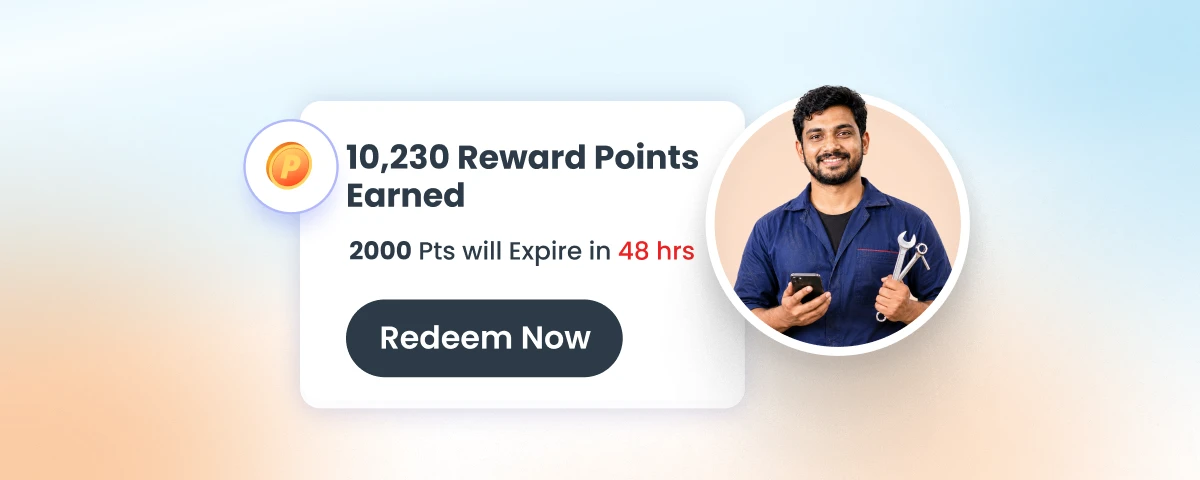
Table of Content
TL;DR Mechanics decide which spare parts get used in the automotive aftermarket. Most loyalty programs fail because they run on paper, WhatsApp, and disconnected tools. The best programs tie loyalty directly into the sales workflow. Reps enroll mechanics, track visits, log sales, reward points, and push new offers from a single app. This gives auto-ancillary brands full visibility, accurate tracking, and a clear return on investment.
What breaks when you run mechanic loyalty on paper?
Most auto-ancillary companies already run some form of mechanic loyalty. The problem is that it lives in notebooks, WhatsApp groups, and memory.
A lubricant brand manager once explained exactly how this looks in practice. Her company runs awareness programs and technical training for mechanics and service station staff. But everything is manual.
- Follow-up is manual.
- Tracking who attended what is manual.
- Figuring out which mechanic earned which reward is manual.
That creates three predictable failures.
- First, no one knows which mechanics are engaged and which have gone quiet. A mechanic who attended training six months ago might have stopped recommending the brand. No one notices until sales drop in that territory.
- Second, when a mechanic reports a purchase or a sale, there is no clean way to verify it and award points. The brand either trusts the word of the mechanic or delays rewards for weeks while someone checks the paperwork.
- Third, scheme communication depends on the sales rep remembering to mention it during a visit. If the rep forgets, the mechanic never hears about it. The offer dies in the field.
The result is a loyalty program that feels good in the planning room but disappears once it hits the ground.
What a strong mechanics loyalty program actually looks like
A program that works gives the brand a clear view of who their mechanics are, where they work, what they have bought or sold, and what has been promised to them in terms of rewards and points.
- It handles the onboarding of mechanics properly. Every mechanic who joins the program should have a profile linked to a specific workshop and dealer. Without that link, the brand cannot trace which dealer supplied the parts or which workshop did the work.
- It connects with existing systems and tracks activity accurately. When a mechanic reports using your brake pads on five jobs last week, that information should flow into the system against that mechanic’s profile. The brand should not need a second spreadsheet to make sense of it.
- It manages points and rewards efficiently. Mechanics should be able to check their balance without calling a sales rep. Delays in reward delivery kill trust faster than any competitor discount.
- It enables direct communication. New schemes, product launches, and training invites should reach mechanics directly, instead of moving through a long chain of phone calls.
If a brand cannot do these things in one system, it is leaving revenue on the table.
Major aftermarket brands already understand this. Bosch runs its eXtra Loyalty Programme for workshops and mechanics with tiered rewards, QR-code-based tracking, and training integration. That is what the benchmark looks like when loyalty is treated as a core business system.
How BeatRoute closes the gap
BeatRoute combines field sales automation, distribution management, and mechanic loyalty in one system. The platform links every dealer to their workshops, every workshop to its mechanics, and every mechanic conversation to a live sales goal.
Reps do not switch apps. Managers do not reconcile spreadsheets. And mechanics get rewards they can see, verify, and redeem without making a phone call.
How to link mechanics, workshops, and dealers in one view
The biggest gap in most programs is the missing link between the mechanic, the workshop, and the dealer. When these three levels sit in separate spreadsheets, the brand loses visibility into who is driving sales and who is just moving stock.
This connection is not optional. The mechanic generating daily demand is directly feeding the dealer’s offtake, and one compounds the other. As Manas Bisht, VP at Xoxoday, puts it:
“An influencer who is generating a daily value is equally important and will compound the total value of the product when it goes to a distributor. They are connected and hence the system should also be connected.”
When the systems that track these two cannot see each other, neither can the brand.
BeatRoute fixes this by mapping the full mechanic network inside SFA software. When a dealer is added to the system, the workshops that dealer supplies are mapped at the same time. When a workshop is added, the mechanics who work there are tagged to it. This three-level linkage changes everything.
Now a sales rep knows exactly which workshops belong to which dealer before he plans his route. He knows which mechanics work at each workshop. And the brand knows which dealer is feeding which garage.
BeatRoute even lets the team tag each mechanic by influence level, product knowledge, and loyalty tier so the field force spends more time with the mechanics who actually move the needle.
This matters because a mechanic loyalty program is only as strong as the data behind it. If the brand cannot trace a sale back to the mechanic who influenced it, the program becomes a guessing game.
How reps can log mechanic visits without extra apps
Field teams already carry enough apps. Adding a separate loyalty app means extra logins, extra training, and extra friction. BeatRoute embeds mechanic engagement directly into the same sales app the rep already uses.
During a workshop visit, the rep sees the mechanic’s enrollment status, scheme eligibility, visit history, and points balance on the same screen where he checks orders and payments. He can log an influencer conversation at the moment. He can record that a mechanic asked about a new grease specification or complained about packaging.
He can also track sampling. If the rep leaves a product sample for the mechanic to try, that sample gets logged and tied to the mechanic’s profile.
Later, the brand can see whether the mechanic who tried the sample started ordering more of that SKU. Because all of this sits in the same data layer as the sales and distribution system, the manager does not need to reconcile a loyalty spreadsheet against a visit report at month end. The conversation log, the sample record, and the order data all live in one place.
BeatRoute also works offline, so reps in remote areas can still log visits and collect mechanic feedback. The data syncs automatically once they are back in network range. That matters in markets where a rural workshop might be two hours from the nearest reliable signal.
How community meets and training events turn into sales data
Mechanic loyalty is not just about points. It is about showing up. BeatRoute turns community meets and training seminars into trackable campaigns.
When a brand runs a technical training session for mechanics, the rep logs attendance directly in the app. Each mechanic gets tagged by influence level, product knowledge, and loyalty tier. The system records who was there, what product was demoed, and what questions came up.
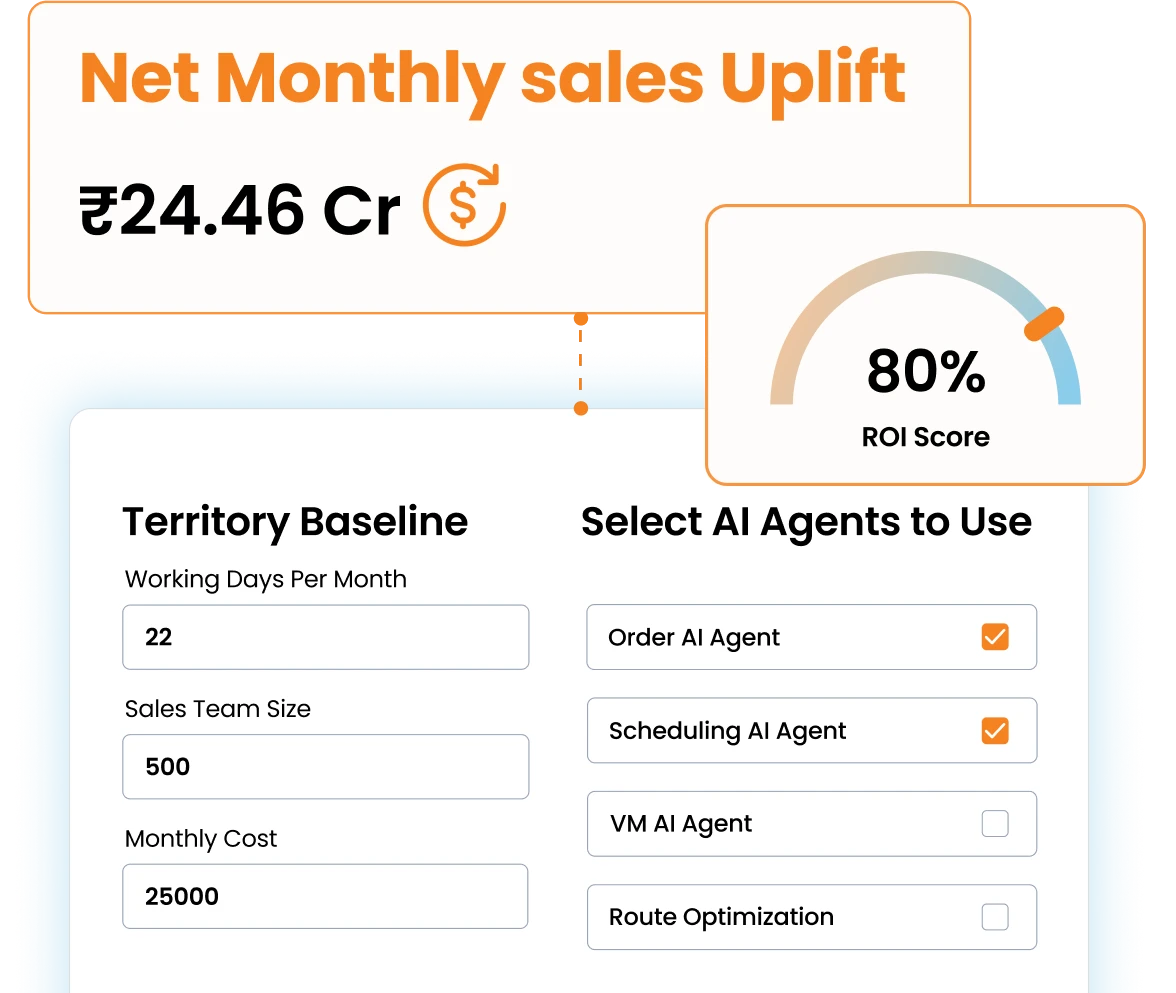
After the event, the brand can measure whether orders from those mechanics actually changed. Did they start ordering the new SKU that was featured? Did their basket size grow? BeatRoute’s dashboards show redemptions, user activity, ROI, and sales uplift so the team can see which events actually move stock and which ones just burn budget.
This is exactly what a major lubricant company achieved when it moved from manual event tracking to a structured workflow. Instead of wondering whether a community meet mattered, the brand could see the post-event order flow and product trial changes in real time.
That turns a feel-good activity into a line item on the sales report.
How to connect loyalty to your billing and stock systems
A loyalty program that cannot talk to your billing system is just a scoreboard. It shows numbers but does not change behavior. BeatRoute connects mechanic activity to the rest of the business stack through open integrations.
If the brand runs on SAP, Oracle, Tally, or other ERP, the platform syncs order status, stock data, and payment updates. When a mechanic reports a purchase, that data flows back into the ERP. When a dealer clears an invoice, the mechanic’s available credit and points update automatically.
The system also pushes scheme updates through WhatsApp and Viber, so mechanics get alerts on the apps they already check. They do not need to download a new app or remember a new password. BeatRoute’s loyalty software also validates transactions through QR codes and invoice data, which prevents fraud and keeps audit trails clean.
For the sales rep, this means he walks into a workshop knowing the outstanding balance of the dealer, the current stock at the distributor, and the mechanic’s loyalty tier. He does not need to call three different departments before he starts the conversation.
What a real rollout looks like
Most auto-ancillary brands that move to BeatRoute go live in three to six weeks. That includes uploading dealer and workshop master data, training the field team, and configuring the loyalty rules.
The platform is modular. A brand can start with the sales team app and the distribution system, then switch on the mechanic loyalty layer once the basics are stable. There is no need to flip every switch on day one. A zero-code backend lets the team turn features on and off without writing custom code.
Because the app works offline, reps in remote areas can still log mechanic visits and collect sales reports. The data syncs when they are back in network range. That matters in markets where a rural workshop might be two hours from the nearest reliable signal.
Fix the loyalty gap before the competitor does
Mechanic loyalty is not a side project in the auto aftermarket. It is the main lever that decides which brand gets recommended at the garage. The right approach does not just track points. It links mechanics to workshops, workshops to dealers, and every conversation to a sales goal.
When loyalty is woven into the daily workflow, the brand gets complete visibility, accurate tracking, and measurable ROI. The field team spends less time on paperwork and more time selling. Mechanics get rewards they can see and use. And the brand finally knows which relationships are driving revenue.