The modern trade channel, including supermarkets, hypermarkets, convenience store chains, and organized department stores, plays a critical role in the Philippine retail sector despite holding a minority share. As of Q1 2025, traditional trade such as sari-sari stores dominates with approximately 57% of FMCG sales, while modern trade accounts for the remainder, driven primarily by supermarkets.
While traditional trade drives daily consumption, modern trade shapes perception, drives premiumization, increases basket sizes, and provides a platform for new product trials. Urban centers such as Metro Manila, Cebu, and Davao are seeing steady expansion of modern retail, setting benchmarks that influence other channels.
With the overall retail market valued at ~USD 41.23 Billion in 2025 and growing at 7.8% CAGR, modern trade’s organized formats enable efficient footfall conversion, making it essential for FMCG brands targeting middle-class growth and visibility in competitive shelves.
For many brands, modern trade may not deliver the largest volume, yet it often determines how a brand is seen, how quickly innovations scale, and how disciplined a team becomes in execution.
The 3 Pillars of Modern Trade Success
Modern trade success in the Philippines is driven by three core levers.
1. Availability
Products must be available on shelf, in the right assortment, in the right quantity, at the right time. Out of stocks, wrong variants, or missing packs immediately result in lost sales. In modern trade, availability is not just about supply. It is about consistent shelf presence at the store level.
2. Visibility
Visibility determines whether a shopper notices the product. This includes share of shelf, secondary displays, end caps, gondolas, and compliance with agreed planograms. In a crowded shelf environment, visibility often decides which brand wins the purchase.
3. Advocacy
Advocacy refers to active consumer engagement inside the store. This includes promoters educating shoppers, offering samples, explaining benefits, and influencing choice at the moment of decision. In categories with high competition or low differentiation, advocacy has a direct impact on conversion.
Together, availability, visibility, and advocacy form the foundation of modern trade execution.
Teams Powering Modern Trade
To drive these three levers consistently, companies rely heavily on two on-ground roles.
Product Promoters
Promotor produk or brand promoters are deployed and stationed at a particular MT store to engage shoppers, explain products, run sampling activities, and influence purchase decisions. Their primary role is advocacy, but they also play a supporting role in identifying availability and visibility issues.
Penjual barang dagangan
Merchandisers on the other hand, focus on shelf execution. They ensure products are stocked, planograms are followed, displays are executed, and merchandising visual standards are met. They play an instrumental role in ensuring availability and visibility in the designated store. Unlike promoters who are store-specific, merchandisers operate across multiple outlets everyday.
In the Philippines, these roles are often managed through a mix of internal teams, agencies, and distributors. This makes coordination and control even more complex.
Challenges in Modern Trade Execution in the Philippines
Despite significant investments in promoter and merchandiser teams, many Philippine brands still struggle to deliver consistent in-store outcomes.
With 7,000+ islands, uneven infrastructure, and frequent weather disruptions, ensuring products are consistently distributed to stores and executed on shelves is already complex.
Even when teams are present, execution doesn’t always go as planned. For example, a merchandiser may visit a store but fail to follow the proper planogram, miss checking stock norms, or leave out critical promotions.
These gaps in structure, real-time visibility, and alignment with store-level and business objectives lead to the challenges brands face every day.
Here are some of the key challenges retail brands encounter when managing promoters and merchandisers in modern trade:
1. Gaps in Promoter and Merchandiser Presence
The most basic yet critical challenge is ensuring promoters and merchandisers are actually present at the right stores, on time, and following basic hygiene standards.
In practice, many organizations still struggle with:
- Missed or delayed store visits
- Inconsistent attendance tracking
- Limited visibility on visit duration and coverage
- Managers finding out about absence only after performance drops
For example, Monde Nissin Corporation, a major food and beverage manufacturer with brands such as Lucky Me! and SkyFlakes, operates large modern trade retail coverage plans. The brand faces challenges linking execution quality to sales when promoters do not consistently follow visit schedules or when their attendance data is not tracked accurately.
2. Workflow Coverage and Structured Execution
Modern trade execution is more than ticking boxes. Teams handle multiple tasks every day, including:
- Performing stock checks and maintaining stock norms
- Conducting store surveys and audits
- Running sampling programs
- Capturing consumer feedback
- Ensuring visual merchandising compliance
- Documenting photos, videos, and instructions from headquarters
Despite these efforts, many organizations struggle because rigid workflows create fragmented and unstructured data. Reports are often compiled manually, while photos and feedback are scattered across messaging apps. This lack of real-time visibility makes it difficult to act on insights quickly.
For example, Fly Ace Corporation, a food and beverage distributor in the Philippines, collects detailed data on availability, promotions, and store conditions daily, yet much of it remains in static reports.
3. Problem Detection and Solving Happens Too Late
Execution happens every day, but issues only show up when trouble starts brewing. Managers often notice problems too late, usually during end-of-month or post-period reviews. Common issues include:
- Out-of-stock situations that last for days
- Displays not executed as agreed
- Promotions running without stock support
- Poor shelf share going unnoticed
This is also true for CDO Foodsphere, a leading Philippine meat processing company that conducts regular execution audits. The lack of early alerts meant managers could not always act while issues were still solvable at the store level. Execution happens every day, but problem detection often comes too late.
4. Goal Alignment vs. Checklist-Driven Execution
Another key challenge in modern trade is that promoters and merchandisers often work in checklist mode. They complete assigned tasks, but may not prioritize activities that actually drive sales or improve the in-store experience.
- This usually happens because:
- Daily tasks are disconnected from broader business objectives
- On-ground teams often lack clarity on store-level priorities
- Success is measured by task completion rather than actual sales impact
For example, Safestep Philippines, a leading distributor of sporting and casual goods and retail partner for brands like ANTA, Wilson, and Salomon, faced challenges in driving effective field execution across retail channels. Promoters focused on completing activities, but the lack of goal-based KPIs and consistent reinforcement resulted in routine execution that limited impact on sell-through and in-store performance.
Practical Steps for Improving Modern Trade Execution
Modern trade execution in the Philippines requires solutions designed for the country’s unique retail landscape. With thousands of islands, dispersed stores, and a mix of large chains and smaller outlets, brands need systems that ensure visibility, flexibility, and actionable insights at the point of execution.
Here’s a practical approach that addresses these needs:
Ensure Presence with Geo-Tagged Visits

Field teams are often spread across remote or hard-to-reach areas. Geo-tagged check-ins provide managers with real-time visibility of store visits, ensuring promoters and merchandisers are where they are supposed to be, when they are supposed to be there.
Use Customized Role-Based Forms
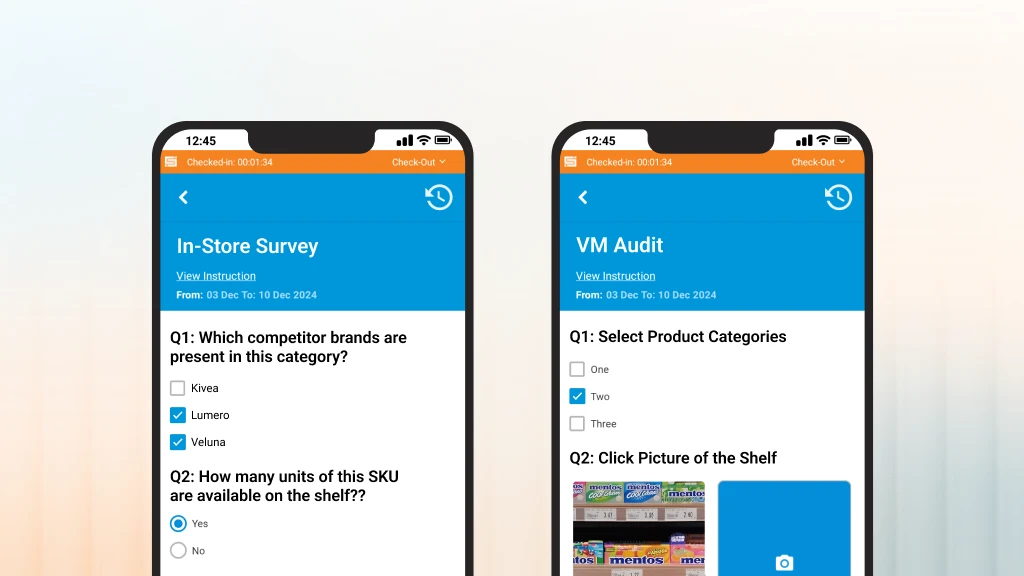
Promoters and merchandisers have different responsibilities. Using forms tailored to their roles ensures that each team member captures the right data for their tasks, whether it’s logging consumer engagement, checking stock, or auditing displays, without overloading them with irrelevant fields.
Detect Problems Without Dashboard Checks
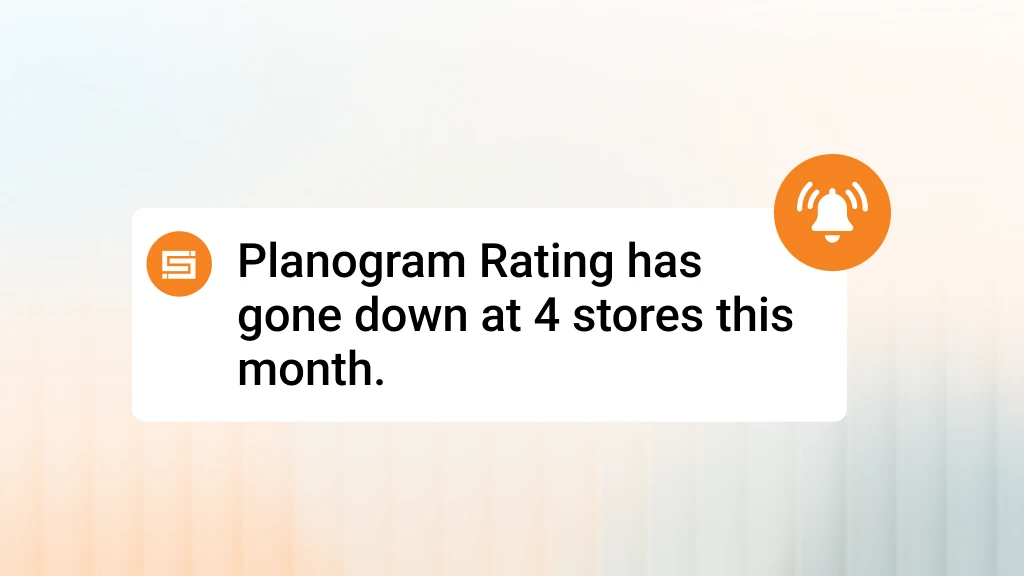
In fast-moving retail environments, managers need quick answers instead of sifting through multiple dashboards. Automated alerts and AI-driven insights allow supervisors to identify out-of-stock SKUs, missing promotions, or low visibility instantly, enabling timely corrective action.
Foster Healthy Competition with Gamified Scorecards

Gamified scorecards turn daily store execution into focused, goal-driven action by assigning points to what matters most, such as quality visits, planogram compliance, display execution, and sales impact.
BeatRoute gamified scorecards connect execution and sales data directly to points and rankings. Promoters and merchandisers see the impact of their actions instantly, while managers track performance against business goals. This shifts execution from routine checklists to consistent, results-driven store performance.
Capture Feedback and Conduct Store Surveys
Regular collection of feedback and surveys from stores helps identify local insights that drive better in-store strategies. These inputs can reveal opportunities for promotions, merchandising improvements, or adjustments to stock and execution plans.
Monitor Competitor Presence and Share of Shelf
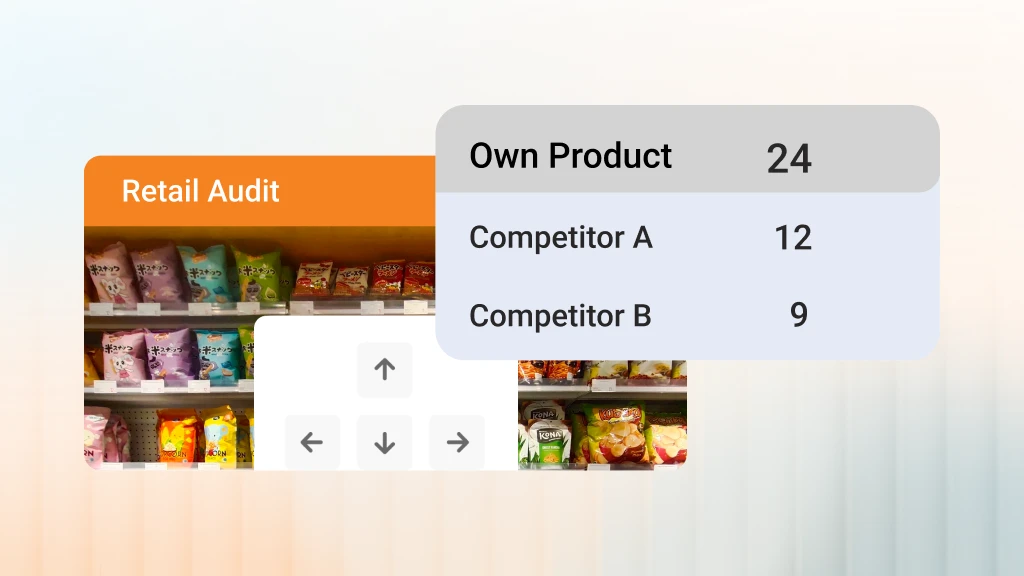
Understanding how competitors occupy shelves is critical in modern trade. Tracking competitor presence allows brands to benchmark performance, optimize product placement, and make informed decisions about promotions or merchandising adjustments.
Validate Visual Merchandising with AI Image Grading
Manual audits can be inconsistent and time-consuming. AI-driven image grading automates the evaluation of planogram compliance, shelf share, and visual standards, providing consistent, comparable scores across stores without additional effort from field teams.
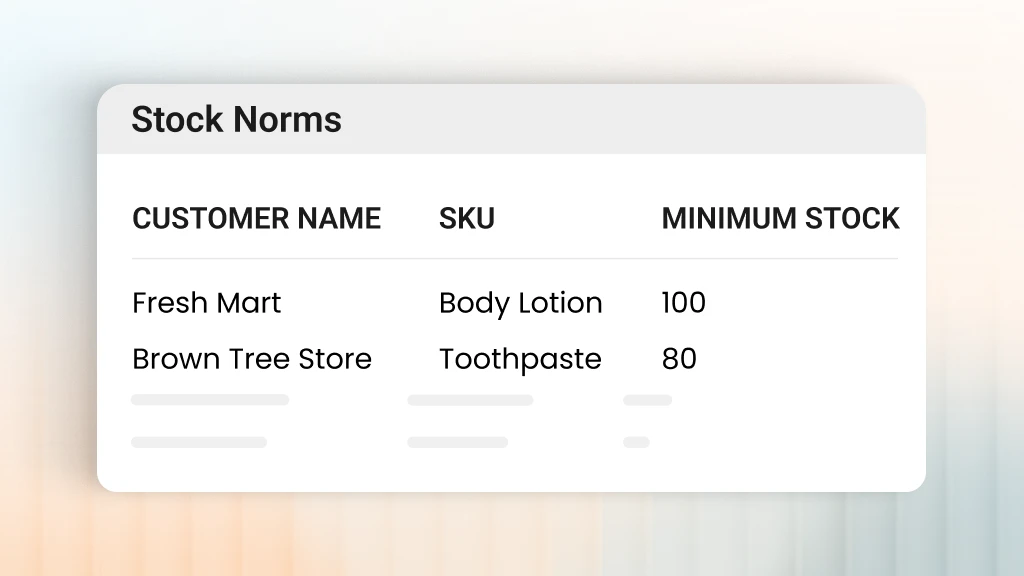
Set Stock Norms and Analyze Stock Levels
Defining optimal stock levels for each SKU and analyzing store-level inventory ensures shelves remain stocked, promotions are supported, and stock-outs are minimized. This creates actionable insights for restocking and distribution planning.
Send Real-Time Non-Compliance Alerts to Supervisors
Immediate notifications for missed visits, incomplete audits, or merchandising errors empower supervisors to address issues before they impact sales. Real-time alerts make execution problems visible when they happen, rather than discovering them days or weeks later.
Transform Modern Trade Execution in Philippines with BeatRoute
Solving modern trade execution challenges does not require ripping out existing processes or adding more layers of reporting. What brands need is structured execution, real-time visibility, and goal alignment at the store level.
This is where companies across the Philippines are using BeatRoute to bring discipline and clarity to how promoters and merchandisers operate inside modern trade.
1. Ensure Timely Presence with BeatRoute Promoter App
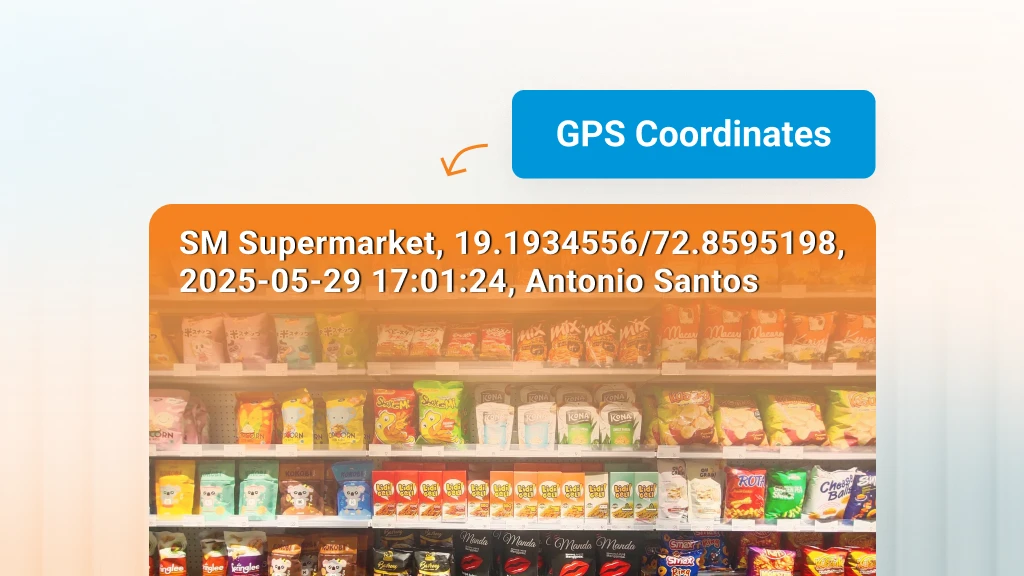
Consistent presence is the foundation of modern trade execution. BeatRoute’s Product Promoter App makes promoter and merchandiser attendance visible, measurable, and auditable. Teams check in and out at stores, log visits, and follow tour plans, giving managers clear, real-time visibility into coverage, visit timing, and adherence.
Brands can also use activity-level geofencing to verify location only for compliance-critical tasks, such as merchandising audits or competitor visibility capture, while keeping flexibility for other activities like feedback collection.
For example, Monde Nissin achieved execution consistency across a large merchandiser network. Geo-tagged visits and logged activities turned assumptions into trackable metrics, making presence a controllable input rather than a blind spot.
2. Bringing Structure to Workflows and Execution Data
BeatRoute enables role-based execution workflows for product promoters and merchandisers, aligned to how modern trade operates on the ground. Each role captures only what is relevant, ensuring cleaner data and higher compliance.
Workflows cover:
- Stock availability and stock norm checks
- Retail audits and store surveys
- Sampling and in-store activations
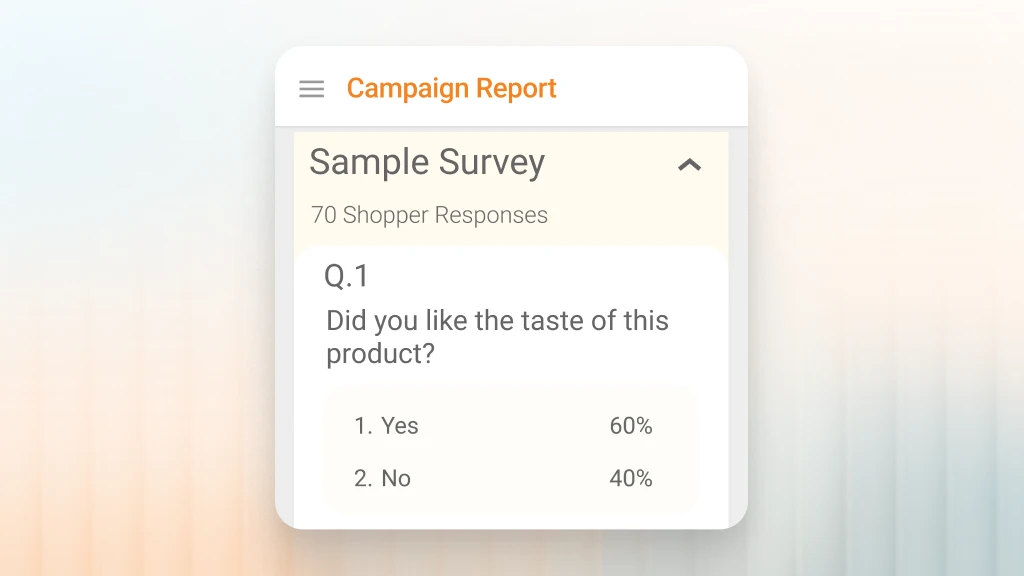
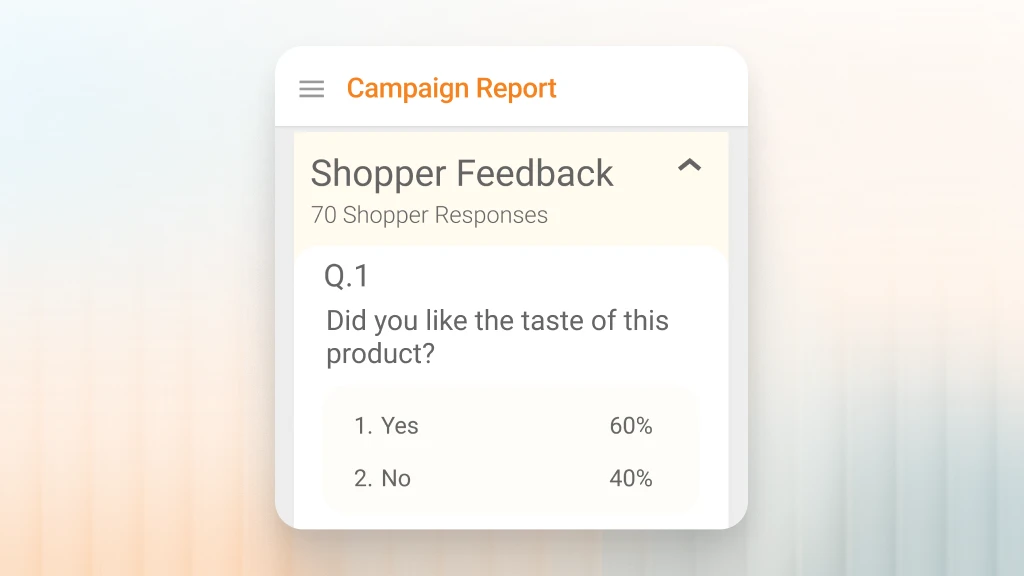
- Consumer feedback capture
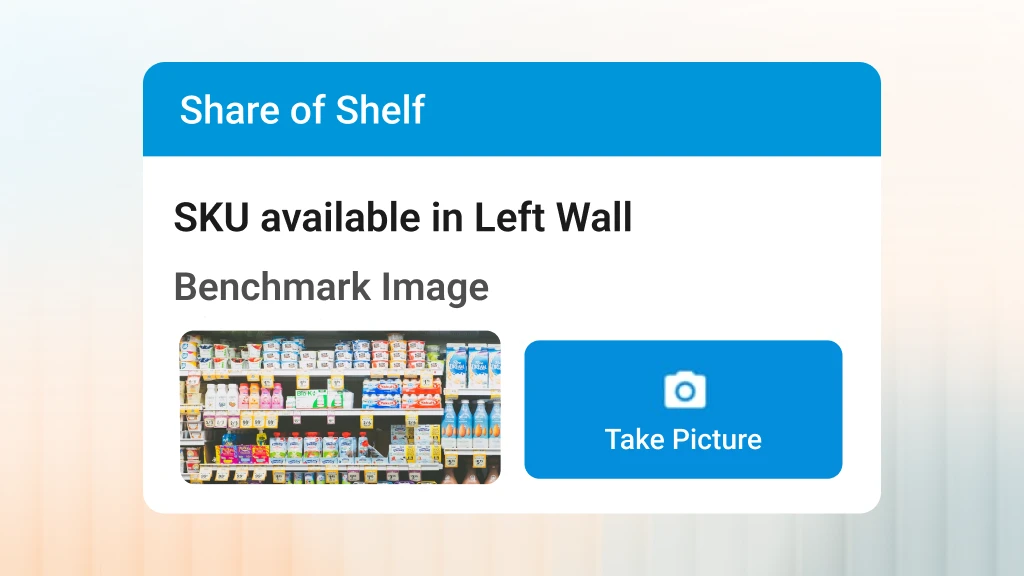
- Visual merchandising audits for share of shelf and planogram compliance
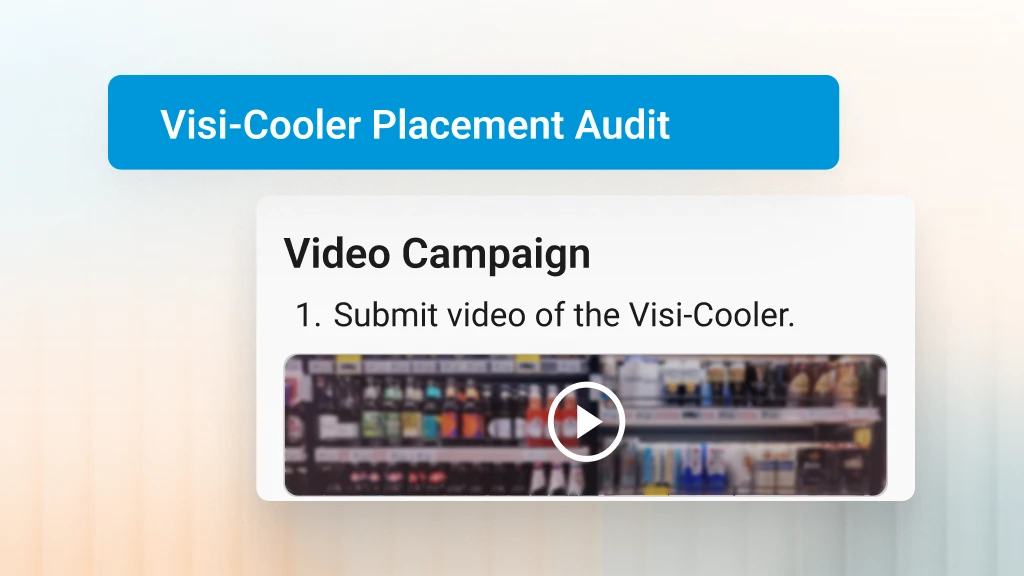
- Photo and video proof of execution
- Task instructions and content sharing from HQ

Key features for audit ritel and merchandising:
- Asset Audit Custom Workflows: validate deployed POS materials, branded shelves, promotional kiosks, demo units, and merchandising racks. Store-wise visibility reduces audit errors and improves compliance.
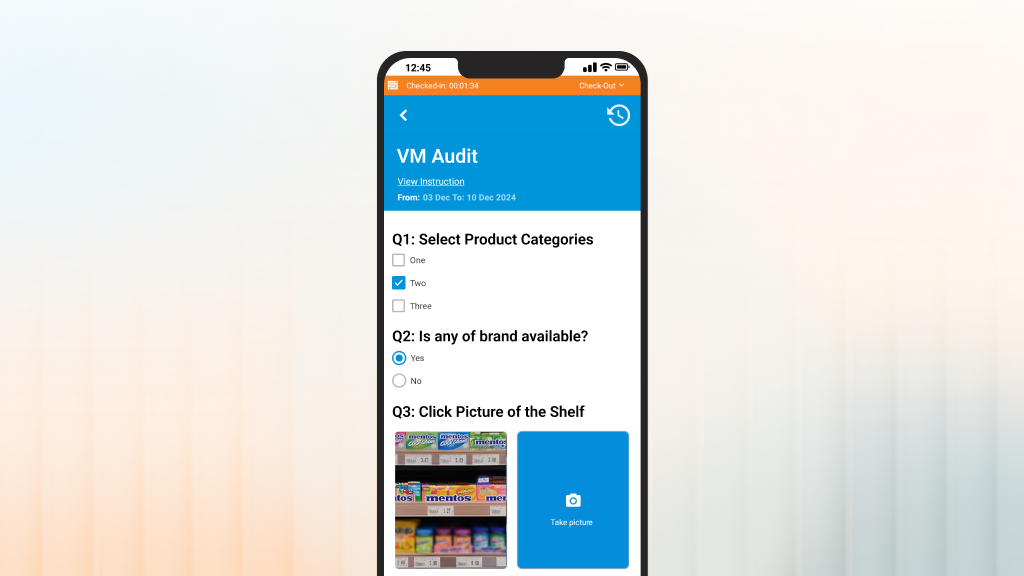
- VM Audit AI Agent: automates audit merchandising visual using store photos to:
- Calculate share of shelf
- Score planogram compliance
- Benchmark execution against competitors
This ensures fast, consistent, and comparable visual audit scores across stores without extra effort for field teams
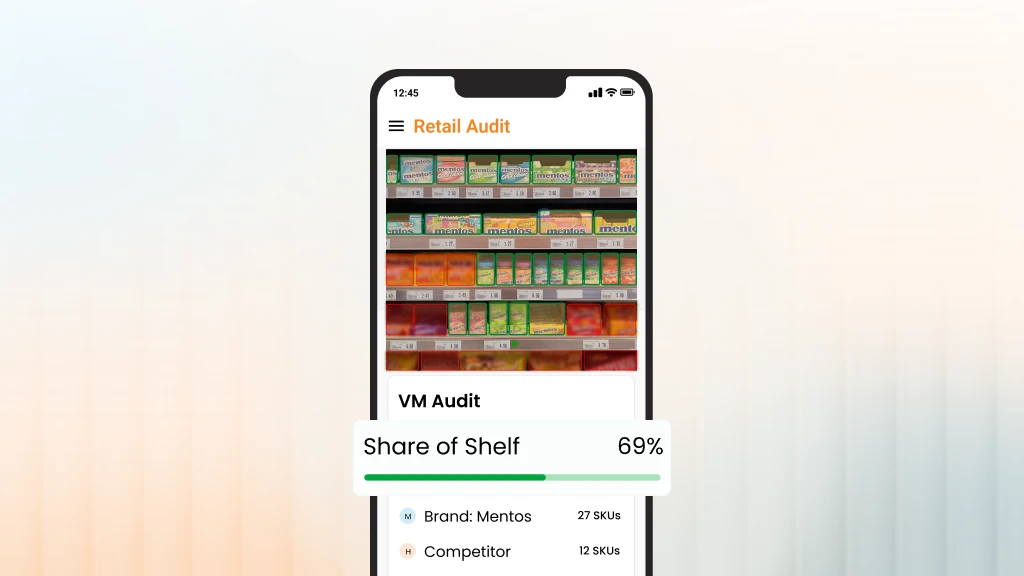
For Fly Ace, these features replaced fragmented reporting with structured, actionable, store-level execution data.
3. Detecting Problems Early and Acting in Time
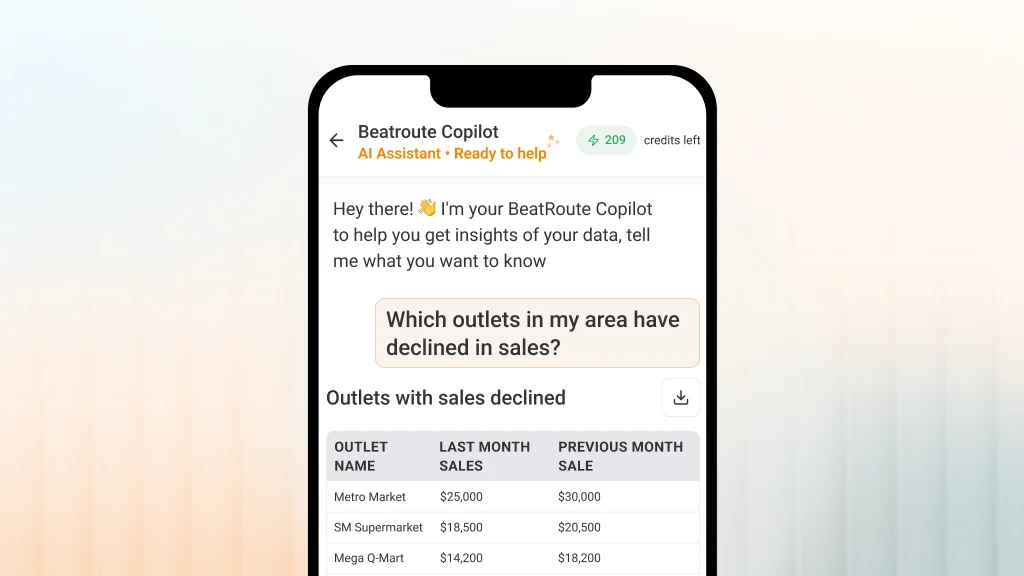
BeatRoute Copilot makes early problem detection possible by turning daily execution and sales data into direct, actionable answers. Instead of waiting for reviews or scanning multiple dashboards, managers can quickly identify declining availability, slipping visibility, promotions running without stock support, and engagement gaps while corrective action is still possible.
Using natural language queries, BeatRoute Copilot allows leaders to ask questions such as which outlets are underperforming this week, which SKUs are frequently out of stock, or which stores need immediate attention today, and get answers directly from execution and sales data.
Untuk CDO Foodsphere, this improved the speed and effectiveness of managerial action by surfacing issues early. In SafeStep’s setup, managers gained faster visibility into promoter performance and store-level trends without waiting for consolidated reports.
Execution issues are addressed during the selling window, not after it closes.
4. Aligning Field Activities with Real Business Goals
BeatRoute helps teams move away from checklist-driven execution toward goal-aligned behavior.
Instead of measuring only activity completion, companies define KPIs that link daily execution to business outcomes, such as:
- Availability and stock health
- Visibility and compliance
- Sales logs and off-take trends
- Engagement and advocacy signals
These KPIs are visible to both on-ground teams and managers.
Untuk SafeStep, promoters were guided to focus on sell-out and engagement, not just activity logging. This helped teams understand how their actions connect to outcomes making execution intentional rather than mechanical.
Real Business Impact of BeatRoute
When modern trade execution becomes structured, visible, and goal-aligned, the impact shows up quickly and clearly on the ground. Across companies using BeatRoute in the Philippines, the shift is not about doing more work. It is about doing the right work consistently.
Improved Availability
With better presence tracking, structured stock workflows, and early issue detection, availability improves at store level. Out-of-stock situations are identified earlier, replenishment gaps are surfaced faster, and execution teams are held accountable for shelf availability rather than just visit completion.
Over time, this reduces lost selling days and improves consistency across key modern trade accounts.
Stronger Visibility on Shelf
Structured visual merchandising workflows, photo capture, and audits bring discipline to how shelf execution is measured. Share of shelf, display execution, and compliance stop being subjective or delayed inputs.
With capabilities like VM audits and automated scoring through AI agents, companies can benchmark execution across stores and competitors, and connect visibility directly to performance instead of relying on anecdotal feedback.
Better Footfall Conversion Through Advocacy
When promoters are present, engaged, and aligned to outcomes, advocacy improves. Teams focus less on ticking boxes and more on influencing shopper decisions.
Sales logs, feedback capture, learning content, and gamification help reinforce the behaviors that drive sell-out. Instead of passive presence in-store, promoters and merchandisers become active contributors to conversion.
Faster Decisions and Tighter Control
Managers gain timely visibility into what is happening on the ground. Problems are detected during the selling window, not after the month closes. Reviews shift from explanations to action.
This improves control without micromanagement and enables teams to respond faster to changes in store conditions, promotions, or demand patterns.
BeatRoute Feature Overview for Modern Trade Execution
The table below summarizes how BeatRoute supports availability, visibility, and advocacy across modern trade execution.
| Capability Area | BeatRoute Feature | What it enables for modern trade teams |
| Presence & Coverage | Check-in / Check-out, Tour Visits | Visibility into promoter and merchandiser attendance, visit timing, and coverage hygiene |
| Execution Workflows | Configurable Forms & Tasks | Structured capture of stock, surveys, audits, sampling, feedback, and store execution |
| Availability | Stock Checks, Sales Logs, Returns | Early detection of stock gaps and visibility into store-level sell-out |
| Visibility | Photo Capture, VM Audits | Consistent tracking of displays, shelf execution, and visual standards |
| VM Automation | VM Audit AI Agent | Automated share of shelf calculation, planogram compliance scoring, and competitor benchmarking |
| Advocacy | Sales Logs, Feedback, Learning Modules | Reinforces active consumer engagement and sell-out focus |
| Problem Detection | Dashboards, Alerts, Cues | Early identification of execution and performance issues |
| Goal Alignment | KPI Scorecards, Gamification | Aligns daily execution with business goals instead of checklist completion |
| Decision Support | Kopilot BeatRoute | Allows managers to ask questions about declining sales, underperforming outlets or SKUs, and execution gaps |
| Governance & Reporting | Role-based Views, Analytics | Single source of truth for reviews, audits, and performance tracking |
Quick Summary of Challenges, Solutions, and Results with BeatRoute
| Tantangan | BeatRoute Feature | Brand Example | Impact |
| Missed or delayed store visits, inconsistent attendance | Geo-tagged check-ins, Activity-level geofencing | Monde Nissin | Coverage and visit adherence became measurable; presence turned into a controllable input |
| Fragmented workflows, unstructured execution, inconsistent reporting | Role-based execution forms, Asset Audit Custom Workflows, VM Audit AI Agent | Fly Ace | Structured, actionable store-level execution data; faster audits and reduced reporting errors |
| Delayed problem detection and corrective action | BeatRoute Copilot, Dashboards, Alerts | CDO Foodsphere | Early identification of declining availability, visibility issues, and promotions without stock; timely interventions during selling window |
| Checklist-driven execution, lack of goal alignment | KPI Scorecards, Gamification, Learning Modules | SafeStep | Teams focused on business outcomes instead of tasks; improved sell-out and advocacy; execution became intentional |
Kesimpulan
Modern trade in the Philippines is complex, fragmented, and highly competitive. Success depends not just on having teams on the ground, but on ensuring their presence is measured, their actions are structured, and their efforts are aligned to real business outcomes.
Before investing in any tool, brands should first evaluate their current execution processes by asking:
- Are field activities visible and measurable in real time?
- Are workflows structured and aligned to the roles of promoters and merchandisers?
- Are execution activities linked to broader business goals?
Can managers detect gaps early and take corrective action immediately?
Understanding these needs ensures that any solution chosen addresses the right problems and delivers measurable impact. For Philippine retail brands, tools that provide visibility, role-based workflows, AI-driven audits, and actionable analytics turn disciplined execution into stronger shelf presence, higher shopper engagement, and faster, smarter decisions, creating a sustainable competitive advantage.
Tentang BeatRoute
BeatRoute is a goal-driven AI platform for retail brands. It is an enterprise-grade, scalable platform that uses a unique goal-driven mechanism with AI at its heart to deliver measurable business impact for brands in their retail sales and distribution channels.
Worldwide, retail brands from industries such as FMCG, consumer goods, and building materials face the difficult choice of risky and high capex implementation projects on development platforms. We are solving this global problem with our ready-to-deploy SaaS solution.
BeatRoute currently serves 200+ enterprise brands in 20+ countries, with 100K+ users across India, South Asia, and Africa in 10 industry verticals.
Pesan demo to know how we can help your brand improve your retail execution.