How a Brand Failed Without Retail Audit Software
 Nikhil Chaudhary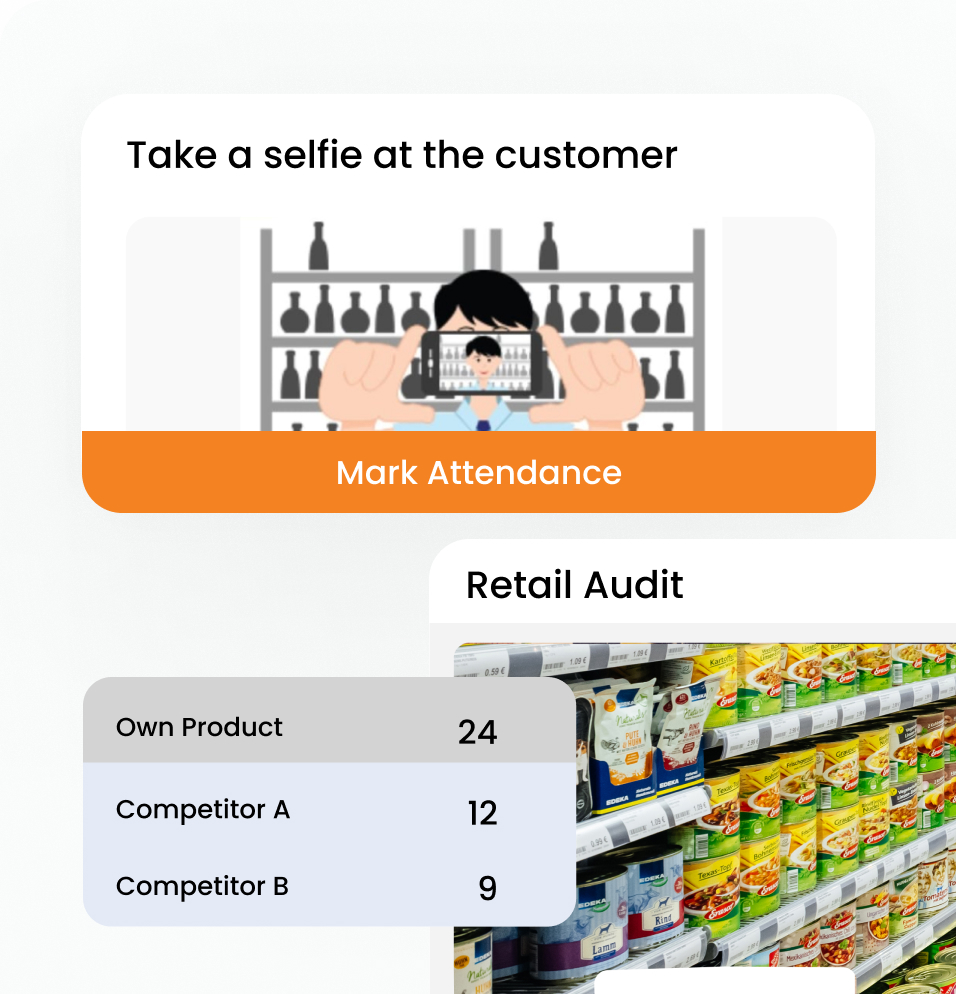
Table of Content
TL;DR This article is for brand managers and trade marketing heads who need to protect shelf presence through consistent retail audits. It uses the Hydrox vs. Oreo shelf war as a case study for what happens without retail audit software, and shows how BeatRoute’s VM Audit AI Agent scales store audits cost-effectively.
The shelf war between Oreo and Hydrox
In 1908, Sunrise Biscuits launched a creme-filled chocolate sandwich cookie under the brand name Hydrox. Four years later, in 1912, Mondelez launched Oreo. Oreo grew to become the top-selling chocolate cookie globally. But Hydrox was the original.
Hydrox filed a complaint against Oreo, alleging that rival products were being hidden in supermarkets. Products were moved from their designated spots, pushed to back rows, placed on top shelves, or blocked by hanging tags. When Hydrox sales dropped, the analysis traced it back to shelf manipulation that went undetected for months.
This scenario reveals two things. First, planogram compliance at the shelf plays a decisive role in sales outcomes. Second, frequent visual merchandising audits are non-negotiable. What Hydrox lacked was systematic retail audit software to catch violations in time. BeatRoute’s VM Audit AI Agent exists precisely to prevent this scenario at scale.
What value retail audit software brings to FMCG brands
In different trade channels, visual merchandising provides competitive advantage. Displaying products correctly is one challenge; auditing them frequently is another. If you do not verify planogram compliance regularly, competitors exploit the gap, exactly as happened with Hydrox.
Retail audit software like BeatRoute’s retail audit platform delivers accurate visual feedback directly from retail counters through sales reps, rather than expensive external agencies. The VM Audit AI Agent scores photos for compliance and provides actionable data.
Specific value retail audits add to your business:
- Ensures products are placed and displayed according to planogram
- Makes every store count by increasing ROI per outlet
- Provides awareness of competitor visual merchandising activity
- Gives the data needed to plan better VM campaigns and iterations
Retos a la hora de realizar auditorías de MV para marcas de productos de gran consumo
The Hydrox story dates from the early 1900s, yet the underlying challenges remain real. Brands lose millions of customers to competitors because they lack in-store visibility across their network. BeatRoute addresses each of these audit challenges through its platform.
Lost sales from poor shelf display
Retailers sometimes place products on top shelves, hide them behind other products, or position them where customers do not notice. This kills walk-in conversions and directly reduces offtake. Without retail audit software catching these issues daily, brands remain blind to the revenue leakage.
Unscalable auditor agency model
Sending an agency representative to each store purely for audits is expensive per outlet. Brands can only afford to run it at select stores. Backend image-audit models with human reviewers also cap out quickly. Campaign changes take two to three months to roll out in this model. BeatRoute eliminates this bottleneck by empowering your own reps to capture audit photos during routine visits.
Wasted budgets on wrong campaigns
For growing brands, the challenge is discovering which campaign works and which does not. Running quick experiments on selective customer segments requires agility that agency-led models cannot provide. BeatRoute’s platform lets brands set up targeted VM campaigns for different store classes within minutes, not months.
Month-end scorecards cause irreversible losses
When VM audit scorecards arrive monthly, feedback reaches area managers too late for corrective action. The goal is not to save money on VM performance payouts. The goal is to get more footfall conversion by ensuring good displays on each day of the month. BeatRoute delivers daily audit scores so managers act immediately.
BeatRoute’s solution for increasing ROI per store
Recovering ROI per store starts with closing specific gaps a store audit exposes: stockouts, misplaced planograms, missing POSM, and pricing drift. BeatRoute helps brands tackle each gap through four capabilities.
Campaign setup and targeting within minutes. Create targeted campaigns for different classes of stores. VM campaigns design according to the consumers you are trying to reach. An easy-to-use interface on the app requires zero training for sales reps to audit new campaign forms. Doing this in an agency-led model typically takes 2-3 months.
Easy picture-of-proof capture. Sales reps or merchandisers capture shelf photos during routine visits. Even in narrow aisles where a single wide shot is impossible, the app stitches multiple images to cover the full shelf. This removes the trade-off between aisle width and audit accuracy.
Automatic share-of-shelf detection with AI. BeatRoute’s VM Audit AI Agent detects face counts from a single shelf photo with no manual counting. AI-based image recognition works across most packaging profiles at 80%+ accuracy, even under low light, bright light, tilted merchandise, or uneven camera quality. It also counts competitor products in the same image, producing an accurate VM score per store.
Automated display scheme payouts. For brands paying rent on shelf space, creating a reliable basis for fair payouts is complex. BeatRoute produces a consolidated VM Score based on audits and contractual guidelines, with full instant visibility per retail outlet. A transparent method converts VM scores into direct payouts or redeemable gifts, keeping retailers invested in compliance every day of the month.
Scaling retail audits with BeatRoute’s VM Audit AI Agent
BeatRoute’s VM Audit AI Agent uses AI at its core to detect face counts even with environmental noise in store-captured pictures. The AI cuts through low light, glare, tilted merchandise, and uneven camera quality to deliver results within minutes.
Using AI-powered audits, brands scale their VM programme across a large number of outlets and drive sales with good displays at all of them, instead of controlling only a select few. BeatRoute customers leveraging retail audits see measurable improvement in per-store ROI as part of the platform’s average 12.6% sales uplift in the first year.
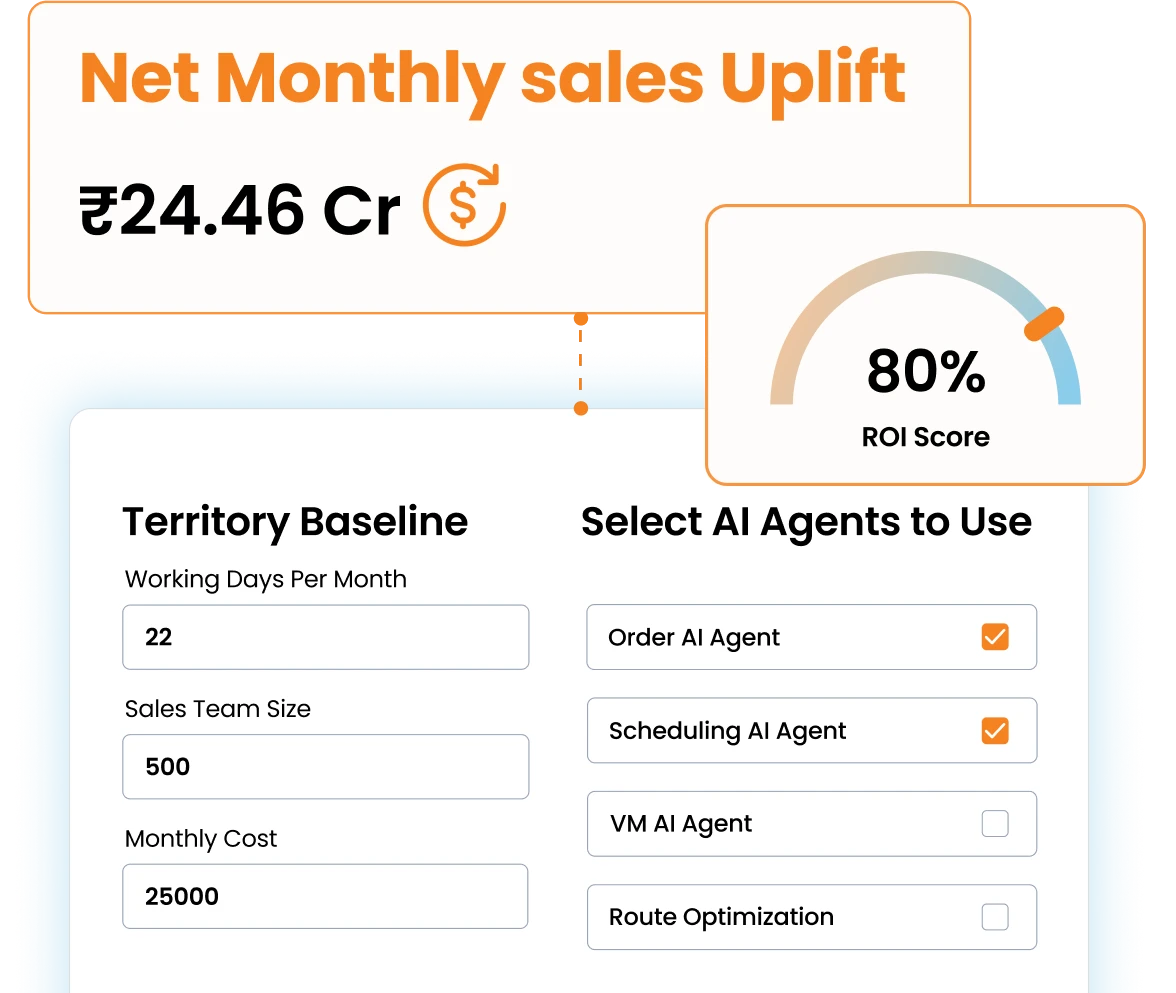
The Scheduling AI Agent ensures reps visit underperforming stores first, while BeatRoute Copilot provides managers with natural-language queries to investigate compliance trends across regions. Combined with the Order AI Agent flagging stockout patterns, brands close the loop from shelf to supply chain in hours rather than weeks. Across BeatRoute deployments, the Scheduling AI Agent has lifted productive visits from 45% to 78%. The Order AI Agent alone drives a 4-6% sales uplift by recommending the right SKUs at each outlet.
Read more: Auditoría del comercio minorista: Guía detallada
Protecting your shelf presence going forward
The lesson from the Hydrox story applies to every FMCG brand competing for shelf space today. Visual merchandising is valuable for building brand recognition. But ensuring VM campaigns actually deliver sales and visibility requires outcome-driven store audits powered by current technology. Brands that audit daily, act immediately, and tie compliance to retailer incentives will protect their shelf position from competitor encroachment.
Está a un paso de implantar esta solución para las auditorías de su tienda. Inicie hoy su piloto o solicite una demostración to see BeatRoute’s retail audit software in action.
Preguntas más frecuentes
What happened between Hydrox and Oreo on shelves?
Hydrox launched in 1908, four years before Oreo. Decades later Hydrox filed a complaint alleging Oreo was pushing Hydrox cookies to back rows, top shelves, or behind hanging tags in supermarkets. Hydrox had no systematic retail audit software to catch it in time, and sales dropped significantly.
Why do agency-led VM audits fail at scale?
Sending an agency rep to each store purely for audits is expensive per outlet, so brands run it only in a small sample. Backend image-audit models with human reviewers also cap out quickly. Campaign changes take two to three months to roll out, making experimentation across segments impossible. BeatRoute solves this by empowering existing reps with AI-backed audit tools.
What does image-recognition based share of shelf detect?
A single shelf photo runs through AI that counts your SKU facings and competitor facings, even under low light, glare, tilted merchandise, or uneven camera quality. Most packaging profiles hit 80%+ accuracy within minutes. BeatRoute produces a VM score per store that ties directly to payout and campaign decisions.
How do you link VM audits to retailer payouts?
Link payouts to a consolidated VM score based on audits and contractual guidelines. Give the retailer full visibility of their shelf score through BeatRoute’s platform. Convert that score directly into monthly payouts or redeemable rewards so compliance stays high across every day of the month.
How often should FMCG brands run store audits?
Daily audits during routine rep visits are ideal. Monthly scorecards delivered by agencies arrive too late for corrective action. BeatRoute enables audit capture at every visit, with scores reaching area managers the same day so they can intervene before sales are lost.