
TL;DR Esta guía es para líderes de ventas que quieren entender por qué los programas de lealtad de distribuidores funcionan a nivel de comportamiento. Cubre las cuatro palancas psicológicas (reciprocidad, estatus, aversión a la pérdida y hábito), cómo los puntos por niveles y los esquemas por periodo activan esas palancas, y dónde los programas rompen en silencio la cadena que debían construir.
¿Por qué los programas de recompensa cambian el comportamiento del distribuidor?
Un programa de lealtad de distribuidores en realidad no se trata de la recompensa. Se trata de las palancas de comportamiento que esa recompensa activa: la reciprocidad que siente un distribuidor cuando una marca le paga rápido, el estatus que protege una vez que subió de nivel, el saldo de puntos que no se atreve a dejar vencer, el hábito de abrir tu app de primero un lunes por la mañana.
Un distribuidor que atiende un mostrador de bienes durables, una tienda de pinturas o un punto de venta de accesorios de baño maneja cinco a quince marcas de la misma categoría. Su lealtad a cualquiera nunca está garantizada: es el resultado de un cálculo permanente sobre margen, capital de trabajo, confiabilidad de las promesas y las decenas de pequeñas fricciones de trabajar contigo frente a la siguiente marca. Un programa de recompensa, cuando funciona, inclina ese cálculo a tu favor cada vez que el distribuidor lo toca.
Las palancas que mueven el cálculo son de comportamiento, no financieras. Quien recibe un pago instantáneo siente reciprocidad hacia la marca que le pagó. Quien tiene un beneficio de nivel ganado en dos trimestres siente aversión a la pérdida cuando considera dejar que ese nivel se le escape. Y quien abre tu app cada lunes para revisar su saldo construyó un hábito que un descuento plano jamás podría crear. La plataforma de gestión de lealtad de BeatRoute está hecha para disparar estas palancas justo en el momento en que importan.
Las cuatro palancas de comportamiento detrás de la lealtad duradera del distribuidor
Todo efecto de lealtad duradera se reduce a una de cuatro palancas. Un programa que activa dos o tres a la vez supera a uno que no activa ninguna, por más generosa que se vea la tabla de pagos en el papel.
1. Reciprocidad
Cuando una marca le paga al distribuidor rápido y predecible por un comportamiento verificado, este siente una obligación leve y acumulativa de devolver el favor en el siguiente pedido. No es gratitud; es un reflejo humano bien documentado. La reciprocidad aparece en la cadencia del pago, no en el monto. Una recompensa pequeña pagada dentro de las 48 horas posteriores a un pedido verificado genera más lealtad que una recompensa mayor pagada tras un mes de conciliación.
2. Señalización de estatus
Los niveles funcionan porque el estatus funciona. Un distribuidor de nivel Gold que recibe despacho prioritario, un SKU exclusivo o un asiento en la cumbre anual de socios no solo se embolsa un beneficio: le señala a sí mismo y a sus pares con quién hace negocios. Los beneficios de estatus retienen al top 20 por ciento de los distribuidores con más fiabilidad que cualquier esquema en efectivo, porque el efectivo es fungible y el estatus no.
3. Aversión a la pérdida
Los humanos pesan las pérdidas casi el doble que las ganancias equivalentes. Un distribuidor que ya acumuló 18,000 puntos siente su posible pérdida mucho más fuerte que el tirón de los siguientes 2,000. Por eso un saldo con ventana de vencimiento visible supera a un saldo infinito que solo rueda: el vencimiento crea una pérdida que evitar, motivador más fuerte que una ganancia que perseguir.
4. Formación de hábito
La lealtad, al final, es un hábito. Un distribuidor que abre tu app cada lunes para revisar su avance en el esquema, mirar su saldo y colocar su pedido semanal tiene un hábito que vale más que cualquier recompensa individual. Los hábitos se forman con señales consistentes (reinicio semanal del esquema, revisión mensual de nivel, ventanas por temporada) y recompensas consistentes (premios confiables, visibles, predecibles). La Retailer & Influencer App de BeatRoute coloca el avance del esquema y los saldos de puntos en la primera pantalla para reforzar este ritmo semanal.
Cómo los puntos por niveles diseñan estatus y aversión a la pérdida a la vez
Los puntos por niveles no son solo un sistema de puntaje. Son la forma más limpia de activar dos palancas a la vez: estatus en la subida, aversión a la pérdida en la bajada. Entender cada peldaño te dice dónde fijar los umbrales.
El peldaño de entrada es una rampa de hábito
El nivel más bajo existe para que cada distribuidor activo califique para algo pequeño en el primer periodo. La meta no es ingreso; es la primera redención. Quien redimió aunque sea una vez cruzó un umbral psicológico, ya confía en el programa, y la siguiente redención se vuelve mucho más fácil de disparar. Mantén la barra de entrada lo bastante baja como para que el 80 por ciento de tu base activa la supere en el primer mes.
El peldaño central es donde ocurre el trabajo de volumen
El nivel intermedio capta al grueso de tus distribuidores activos. Debe alcanzarse con un buen mes de pedidos sostenidos, no con un empujón heroico. Quienes están en el peldaño central son el segmento para el que existe el programa: su comportamiento es el más movible y su volumen agregado, el más grande.
El peldaño premium enciende el estatus
El nivel premium es donde el estatus hace el trabajo pesado. Despacho prioritario, SKU exclusivos, acceso anticipado a esquemas, apoyo de punto de venta co-marca: beneficios que un pago en efectivo no puede replicar. Un distribuidor premium que sostuvo el badge dos trimestres hará lo que sea por protegerlo, porque perderlo es un evento visible, no solo un cheque más chico.
La regla de la brecha alcanzable
El error de diseño más común es hacer la brecha entre peldaños demasiado amplia. Si un distribuidor Silver no ve un camino realista hacia Gold en uno o dos periodos de esfuerzo sostenido, el nivel deja de motivar y empieza a señalar “este programa no es para mí.” El trade promotion engine de BeatRoute te permite ajustar los umbrales de nivel de forma dinámica con base en datos reales de desempeño, manteniendo activo el tirón aspiracional para cada distribuidor por debajo del peldaño más alto.
¿Por qué los esquemas por periodo superan a los programas de recompensa abiertos?
Los programas de puntos abiertos se diluyen hasta volverse ruido de fondo. Los esquemas por periodo (mensuales, trimestrales, ligados a temporadas) no, porque cada reinicio es una nueva señal para actuar: ahí ocurre el trabajo de comportamiento.
- Un esquema mensual crea 12 ventanas de urgencia separadas al año. Cada ventana es una razón para colocar el pedido esta semana en lugar de la siguiente.
- Un esquema trimestral te deja atar recompensas a un comportamiento más grande y difícil (expansión de surtido, referido de un nuevo punto de venta) que necesita más de un mes para concretarse.
- Un esquema ligado a temporadas comprime un año de urgencia en cuatro o cinco ventanas filosas donde la compra del distribuidor ya está elevada. Ahí suele aparecer el mayor incremento.
- Un vencimiento por periodo sobre los puntos acumulados invoca la aversión a la pérdida. Un distribuidor que ve vencer 4,000 puntos el día 30 colocará un pedido el día 28 que no habría colocado en un programa abierto.
El mecanismo más profundo es el ritmo del hábito. Los esquemas mensuales y trimestrales fijan un ritmo que el distribuidor internaliza. El ritmo es la lealtad. Sin él, los puntos se vuelven boletos de lotería que solo recuerda cuando un rep se los menciona. BeatRoute soporta esquemas por periodo mensuales, trimestrales y ligados a temporadas con reinicios y notificaciones automáticas a través de la Retailer & Influencer App.
Diseño de redención: donde la psicología se vuelve recompensa
Ganar una recompensa es solo la mitad del ciclo. La redención es donde las palancas se cierran o se rompen. Un programa generoso en el papel pero doloroso para redimir daña la lealtad de forma activa, porque entrena al distribuidor a desconfiar de tus esquemas futuros.
El refuerzo instantáneo le gana a la recompensa diferida
Mientras más cerca esté la recompensa de la acción que la generó, más apretado el ciclo de reciprocidad. Quien coloca un pedido que califica el lunes y ve los puntos acreditados in-app el martes aprende, de forma implícita, que esta marca cumple su palabra. Quien gana puntos el lunes y los ve aparecer tras un ciclo mensual de conciliación aprende lo contrario.
La visibilidad es el motivador silencioso
Un saldo en la primera pantalla de la app es un saldo en el que el distribuidor piensa. Un saldo enterrado a tres taps de profundidad bien podría no existir. La misma lógica aplica al estatus de nivel, al avance del esquema y al umbral de la siguiente recompensa. Lo que quieras que el distribuidor accione tiene que vivir donde sus ojos ya miran.
El autoservicio le gana a lo mediado por el rep
En cuanto un distribuidor tiene que llamar a un rep para redimir, pasan tres cosas. La redención se demora días. Una negociación social entra en lo que debería ser un momento transaccional. Y una porción nada trivial de distribuidores abandona el intento. La redención de autoservicio, directo desde la Retailer & Influencer App, preserva la limpieza de comportamiento de la que depende el programa.
Los catálogos localizados previenen la inactividad
Un catálogo de redención que se ve relevante en Mumbai se lee ajeno en Surabaya, y viceversa. Quien no encuentra nada que valga la pena redimir con sus puntos deja de interactuar con el programa, sin importar lo generosa que fuera la curva de acumulación. La localización evita que los puntos acumulados se conviertan en desinterés acumulado. BeatRoute soporta configuración de catálogo por región para que cada mercado vea recompensas que le importan.
¿Dónde rompen los programas de lealtad la cadena de comportamiento?
Incluso los programas bien diseñados se rompen en lugares predecibles. Cada modo de falla desactiva una palanca, por eso el síntoma siempre es “el programa dejó de funcionar” aunque la tabla de pagos nunca cambió.
- El retraso del pago rompe la reciprocidad. Una recompensa que llega semanas después de la acción ya no se siente como una respuesta a la acción. El distribuidor deja de conectar ambas.
- Las bajadas de nivel mal manejadas rompen el estatus. Un distribuidor que baja de nivel debe ver un camino claro de regreso. Si no, la bajada se lee como castigo y el programa se vuelve adversarial.
- Los puntos abiertos sin vencimiento ni reinicio rompen la aversión a la pérdida. Sin una señal de escasez, el saldo acumulado deja de sentirse como algo que valga la pena proteger.
- El tiempo inconsistente del periodo rompe el hábito. Un esquema mensual que a veces corre y a veces no nunca puede volverse un ritmo que el distribuidor internalice.
- La conciliación opaca rompe la confianza, que es el sustrato debajo de las cuatro palancas. Si un distribuidor no puede ver exactamente qué pedidos contaron y cuáles no, todo el programa empieza a sentirse arbitrario.
Mapear las palancas de comportamiento a las decisiones de diseño de la recompensa
La mayoría de los programas activa bien una palanca e ignora las otras tres. Los que cultivan lealtad duradera activan las cuatro, por eso se ven engañosamente simples una vez que funcionan: un pago rápido, un nivel real, un periodo con vencimiento y un ritmo semanal que encaja con la semana de pedidos que el distribuidor ya tiene.
¿Cómo hace BeatRoute que cada palanca se dispare en el momento correcto?
El trade promotion engine de BeatRoute codifica los umbrales de nivel, las reglas de esquema y la lógica de vencimiento, y luego ata la elegibilidad de la recompensa directamente a las secondary sales verificadas para que los pagos se disparen de forma automática en el momento correcto.
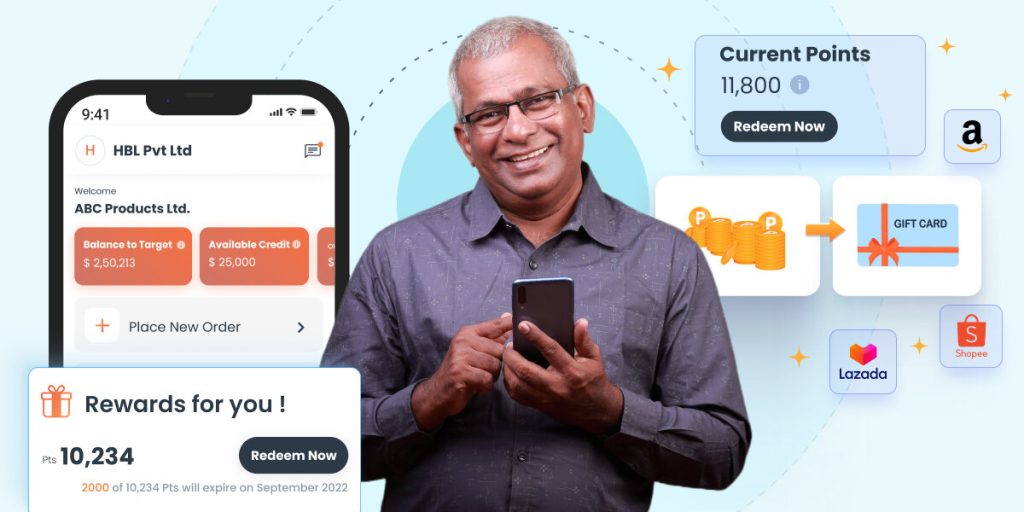
La brecha entre un programa de lealtad en una presentación y uno que de verdad mueve el comportamiento del distribuidor es, en su mayoría, mecánica. Las reglas deben dispararse cuando toca, los pagos deben aterrizar antes de que se cierre la ventana de reciprocidad, y los saldos deben ser visibles donde el distribuidor ya mira.
El trade promotion engine de BeatRoute codifica los umbrales de nivel, las reglas de los esquemas por periodo y la lógica de vencimiento, y luego ata la elegibilidad de la recompensa directamente a las secondary sales verificadas. Los pagos son automáticos, sin demora de conciliación, sin formularios de reclamo y sin ciclo de reciprocidad roto.
Los distribuidores usan el programa desde la Retailer & Influencer App en WhatsApp o Viber: sin instalación aparte, sin un nuevo login, y con el saldo de puntos en la misma pantalla que ya usan para pedir. BeatRoute Copilot le da a los gerentes una vista en lenguaje natural del programa: qué niveles se estancan, qué distribuidores están cerca de una bajada, qué categorías de redención están inactivas en qué geografía.
BeatRoute es el único SFA-DMS construido para ejecutar tus metas de ventas. Su Goal-Driven AI asegura que cada umbral de nivel, esquema por periodo y decisión de redención se resuelva en el comportamiento en el mostrador del distribuidor que tus metas definen. Los clientes reportan un aumento de ventas promedio del 12.6% en el primer año, con Valvoline logrando 3X de customer connect mediante un engagement estructurado de distribuidores en la plataforma.
Solicita una demo para ver cómo las marcas retail corren programas de recompensa por niveles y ligados a periodos que activan cada palanca de comportamiento en el momento correcto, desde el setup del esquema hasta la redención de autoservicio.
Preguntas frecuentes
¿Por qué los programas de recompensa realmente fidelizan a los distribuidores?
Porque activan cuatro palancas que un descuento plano nunca toca: reciprocidad (un pago rápido hace que el distribuidor se sienta obligado a reciprocar en el siguiente pedido), estatus (un badge de nivel que se ganó es algo que protege), aversión a la pérdida (un saldo de puntos con vencimiento es algo que se niega a dejar vencer) y hábito (un ritmo de esquema consistente se vuelve parte de su rutina semanal de pedidos).
¿Cómo cambian los puntos por niveles el comportamiento del distribuidor con el tiempo?
Activan estatus en la subida y aversión a la pérdida en la bajada. Quien persigue el siguiente nivel está motivado por la aspiración; quien ya lo tiene, por el miedo a perderlo. Esa protección hacia abajo suele ser el motivador más fuerte, por eso la estructura necesita una brecha alcanzable entre peldaños y un camino claro de regreso tras cualquier bajada.
¿Por qué los esquemas por periodo superan a los programas de puntos abiertos?
Los programas abiertos se diluyen hasta volverse ruido de fondo. Los esquemas por periodo (mensuales, trimestrales, ligados a temporadas) crean nuevas ventanas de urgencia y un ritmo que el distribuidor internaliza. Un esquema de 30 días da 12 ventanas de acción al año. Los esquemas ligados a temporadas concentran la urgencia donde la compra del distribuidor ya está elevada. El vencimiento por periodo sobre los puntos invoca la aversión a la pérdida. El ritmo se vuelve la lealtad.
¿Qué hace que el diseño de redención sea tan crítico para la lealtad del distribuidor?
La redención es donde la psicología se vuelve recompensa. Una redención lenta, opaca o mediada por el rep rompe el ciclo de reciprocidad y entrena al distribuidor a desconfiar de los esquemas futuros. Una de autoservicio rápida, con saldo visible y catálogo localizado, refuerza el ciclo: cada redención exitosa es un pequeño depósito de confianza que facilita activar el siguiente esquema.
¿Dónde suelen romper los programas de lealtad la cadena de comportamiento?
Cinco modos de falla cubren la mayoría: el retraso del pago rompe la reciprocidad, las bajadas de nivel mal manejadas rompen el estatus, los saldos abiertos sin vencimiento rompen la aversión a la pérdida, el tiempo inconsistente del periodo rompe el hábito, y la conciliación opaca rompe la confianza. Cada falla desactiva una de las cuatro palancas, por eso el síntoma siempre es que el programa deja de funcionar en silencio aunque la tabla de pagos nunca cambió.
¿Cómo ayuda BeatRoute a fidelizar a los distribuidores con programas de recompensa?
El trade promotion engine de BeatRoute codifica los umbrales de nivel, las reglas de los esquemas por periodo y la lógica de vencimiento, y ata la elegibilidad de la recompensa a las secondary sales verificadas para que los pagos aterricen automáticamente dentro de la ventana de reciprocidad. Los distribuidores usan el programa desde la Retailer & Influencer App en WhatsApp o Viber, con saldos visibles en la misma pantalla que usan para pedir. BeatRoute Copilot permite a los gerentes ver qué niveles se estancan y qué distribuidores están cerca de una bajada.
