




Kapa Oil: 74% more productive visitsRead

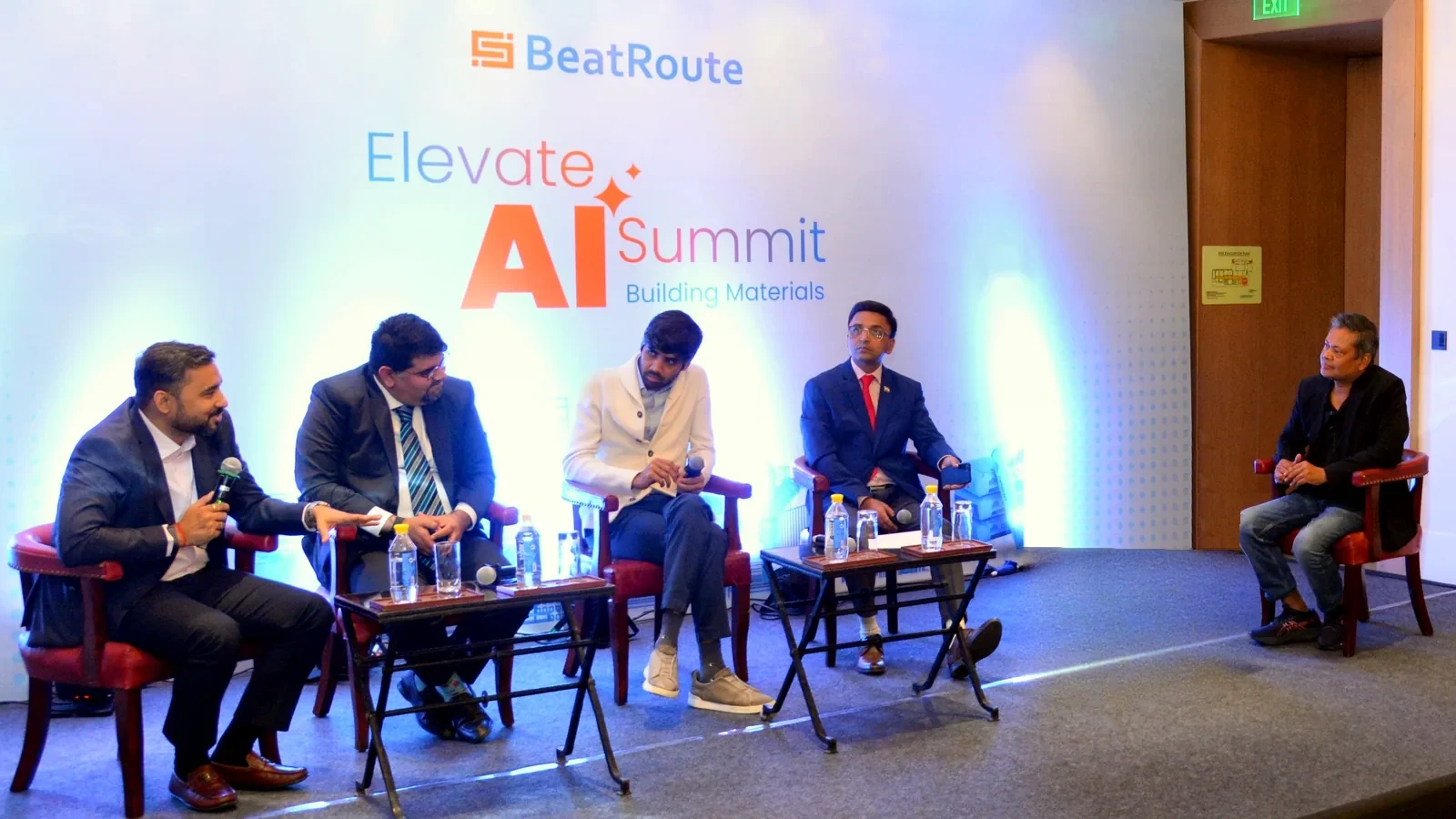
World's first AI Summit for Building Materials Route to Market

If you run a building materials brand, this is where you'll find what AI really changes.

Date
Fri, 23 Oct 2026
Venue
Grand Hyatt, Gurugram

Participation from

Tata Steel
Jindal Steel
Somany Ceramics
Signify
Birla Nu
BCG
Merino Group
Tata Steel
Jindal Steel
Somany Ceramics
Signify
Birla Nu
BCG
Merino Group
Panel 01

Using AI to increase productive visits in retail and project channels

What would you call a productive call in the building materials industry?

Business as usual is not a productive call. Every counter is doing a set business with you. Unless there's a problem, it should not fundamentally change because of a call happening or not happening.

If a person is actually helping you increase share of wallet with a counter, or adding more SKUs to what he's already selling to the counter, that is a productive call. Everything else is a transaction.
Ishang JawaBCG

Agree or disagree: the same rep shouldn't cover project sites and dealer counters

I do agree that there should be different people handling retail and project sales. As he said, project is more of a negotiation. If it's a very technical product there could be pre-speccing or after-sales, and even if it's a commodity there are ways of influencing the project customer and maintaining relations.

But I feel retail is a totally different game, which needs different skill sets: not negotiation, just trying to create a pull. Dealer discussions are more about the scheme, the consumer pull and the supply chain issues, not simply giving the cheapest price or matching the competitive price. So a different skill set, a different flair is needed in both segments.

Amit GuptaJindal Steel

In building materials, multi-brand dealers lean towards whoever discounts most that month. If AI picked which dealer a rep visits, which signals should it go on?

Between the salesperson and multi-brand retailers, the connection has to be strong, so that the retailer is very well aware. It's more preventative: look, this is why you are actually making more money per piece, and why you should continue with us. This is where your schemes are working, and this is where you are with your scheme.

That's where AI can help a lot: how to preventatively go to the person and explain what's happening, if they're not buying the right material or not fulfilling the schemes where they should be.

Shrivatsa SomanySomany Ceramics

These days every building materials sales rep visits dealers with some kind of app that takes orders. What do you think AI could change about the outcome of the visit?

I think context is very important. In the sales function you will see huge attrition: 20 to 25% new people going to a new geography, a new territory or a new company, visiting the counter.

What an app currently does not do is tell the context about the counter: who is the decision maker, which product line I can succeed with here, which competition is selling at that counter. He discovers that when he is at that counter.

Amit KumarBirla Nu

If AI suggests which dealer to visit, do you incentivise the sales rep for following the plan, or for the outcome of the visit?

For me it's a bit of a two-by-two. There is a quadrant where you are not adhering to the plan and the results are not coming: whether you incentivise or penalise, stick to the plan anyway. If someone is adhering to the plan and results are coming, it is nothing but a positive feedback loop.

The only confusing box left is somebody adhering to the plan, but you're not getting the desired impact. That is where you have to end up questioning it.

Ishang JawaBCG

Ninety days after deploying AI, what is the key productivity metric you would measure to say it has made an improvement?

Instead of me having to read an Excel sheet where I will infer the same information, how can I use AI to make those very easy inferences available in a square box that says: their sales trend right now is accelerating, decelerating or stable. That is actionable information.

Using AI in a deterministic environment to make very easy inferences is where I've found the most power so far. That's been the biggest success for us.

Shrivatsa SomanySomany Ceramics
Panel 02

Using AI to generate more demand for building materials

How is demand generation in building materials changing fundamentally, not just because of AI, but in general in the industry over the last couple of years?

In my experience, I can clearly see a dramatic shift from a push to a pull model. Why? Because the competitive landscape has changed. Take any industry: a lot of companies have entered, so the market has become very competitive now. Take cement, tiles or paints, for example. Now the dealer has also started asking: you are giving me some schemes, some targets are there, what would be your contribution?

The customer is also very well prepared. He will take an image from Pinterest, feed it to ChatGPT with his dimensions, and ChatGPT will give him an article code list. Now the customer comes with a product code. We are producing almost 50,000 codes, and customers are visiting with product codes.

So now the market is very, very demanding. Architects tell the rep: unless you are adding real value to my knowledge, you don't need to visit, because everything is available online. Companies have stopped printing physical catalogues for that particular reason.

Puneet SharmaMerino Group

Paint, cement, pipes, steel, laminates: how does demand generation differ from vertical to vertical, and can one AI fit them all?

Multiple products are used in the construction of a house, and for an individual house builder the nuances and the involvement of the customer and the influencer vary a lot. For us, whether we do structural steel sales or fencing solutions for individual house builders, and especially in rebar, where most of the time it's a material contract and the customer is completely aloof.

So AI cannot be a one-for-all solution. It needs to be very specific, knowing the challenge of that particular product line, and then it can add more value: where the customer or the dealer is a major influencer, where they are impacting the decision making the most.

For example, in fencing solutions, in many states the farmer or the individual house builder may directly take a call and find a fabricator to get it done. There is no involvement of a dealer or a high-end architect or contractor; many times the farmer himself does the fencing. In this situation it's about directly approaching him and explaining the offering of your product: how convenient it is, how safe it is, what after-service you give. Hence the AI tool, if it were to be there, needs to be very customised for products in building materials.

Pratima RaoTata Steel

When a sale happens in building materials and the brand never even saw the lead, where does AI add the most value?

Now that the dealer or influencer is ready and knows about your product, have you made it convenient for him to connect to you with that inquiry? Whether it is an AI tool or a chatbot or any kind of tech or digital solution that you have placed in his hand, with which he comes back to you and relays that information.

That adds to both pieces. One is informing the inquiry about your product, because he is aware of your product. And second, you have made it convenient for him to relay that information back to the company: this is one inquiry, or so many inquiries, which came in. These are the two things which, if taken digitally with AI, can be made simpler and more effective.

Pratima RaoTata Steel

How can AI help educate the dealers and influencers who advocate for your brand, and help your team engage them at the right moment?

What we do is, we have a lead management module, which we call SFA. The SFA stores all the leads generated by the promoters and the sales team. It is also able to segment them based on the visit frequency: whether it is a warm lead, a cold lead or a hot lead.

And that is where AI can come in: okay Arjun, these are the leads which are nearing fruition, and this is where you need to actively engage with the influencer, retailer or partner. Because this lead is now five months old: five months earlier it was under construction, now it is nearing completion, and the decisions around lighting or painting are going to happen now. That is where AI can come in and provide that intelligence to the on-ground team.

Arjun MehtaSignify

How do you make sure loyalty and trade-scheme spend creates new sales, instead of rewarding sales that would have happened anyway?

You deploy schemes only in a competitive environment; if you are dealing in a niche, there is no need of a scheme. We deploy schemes to bring certainty to the business. Now, schemes alone cannot drive sales. They act like a hook: a way of expressing gratitude towards your loyal customers and keeping them engaged with you.

Coming back to the ROI: whenever any scheme is approved, there is a provisioning, and the spends are estimated. AI can help us in the adoption and the outreach of the scheme. For example, who are the customers in your territory who have not participated in the scheme yet? That nudge can be given by AI.

One interesting study I did in my earlier organisation: we used to print coupons which went along with the product for our carpenters. The spend was huge, but the recall rate was only 10 to 15%. When we deep-dived, we found that our registration and claim process was so cumbersome that nobody wanted to even use the coupon. It took us three months: we digitised everything, and now a carpenter can register in our loyalty program sitting anywhere in the country. Within three to four months, our registrations rose from 60,000 carpenters to 1,20,000, just doubled, just because of ease of registration. Our recall rate increased from 15% to 35%.

So you cannot look at the problem in pieces. You have to have a holistic view of the problem if you are deploying AI.

Puneet SharmaMerino Group

Dealers and influencers now live on WhatsApp. How can brands engage them there without overwhelming them?

When brands reach out to architects or, let's say, electricians in our case, there is this technique called RFM: recency, frequency and monetary value. While we have a huge database of electricians, we segment them based on the recency of purchase from the brand, how frequently they are purchasing, every week or every alternate day, and the value of the purchases they are making from us in that week or that month.

When we do that RFM segmentation, we know who our best electricians are: extremely loyal to the brand, purchasing regularly from us, at a very good frequency. But it also helps us identify the electricians who are not purchasing very frequently from us. There are electricians who may have purchased five months ago and may have forgotten about the brand or the loyalty program, because they are enrolled in multiple loyalty programs.

If an electrician is a loyalist, high on RFM, I need not give him a scan bonus, because he's already doing that. But if an electrician has not scanned for the last five months and I give him a scan bonus, scan five products and get 100 bonus points, that is where it is going to be impactful. AI can help do this RFM segmentation and hyper-personalised targeting of the influencer base.

Arjun MehtaSignify

What would it take for a sales rep to trust an AI recommendation over his own instinct?

First and foremost, I have to make my sales team understand that AI is not there to monitor them, it is to help them. If they think of AI as a surveillance tool, they will definitely avoid it; they will dodge every bullet I fire.

But if I make their day efficient: let's say there is a beat plan of outlets on my route, and I have deployed an AI voice agent who will call them. If out of four outlets only three are present, it should automatically make the amendments in the calendar. His effort is saved, he does not need to call anybody, he has become more efficient. Similarly, if AI gives a pop-up in his calendar that these are two projects and our influencer happens to be in the same area, he can cover them along the route within the same time.

If AI is helping them plan their day, day in and day out, making them efficient and more agile, trust comes through experience. When he uses this tool over a period of time, it will become much easier and trustworthy.

Puneet SharmaMerino Group

If you had to pick one use case of AI that will help building materials brands generate and capture more revenue in the next six months, which would it be?

I would create something I call a sales genie: a digital assistant, something we discussed in the previous panel. We can create dashboards, we can send out reports and analytics, but somebody who is in the field is not equipped to analyse all of that data. The core competency of that person is to do sales, not to look at different data sets and find out what the key takeaway is.

So I would create a sales genie which would tell him: okay Arjun, these are your three action areas for the last month. This is where you missed your targets: you didn't reach out to your key retailers, you did not sell certain categories, which led to a decline in your mix, and your visits were lower than the past three months. If it gives me actionables, that is what helps me, instead of going through multiple reports or even dashboards.

Arjun MehtaSignify

BeatRoute showed its AI agents live

After the panels, Kaushal Kumar, Director of Product & Strategy at BeatRoute, ran four of BeatRoute's AI agents live on stage, built for dealer, contractor and project sales.

Who took the stage at BeatRoute Elevate?

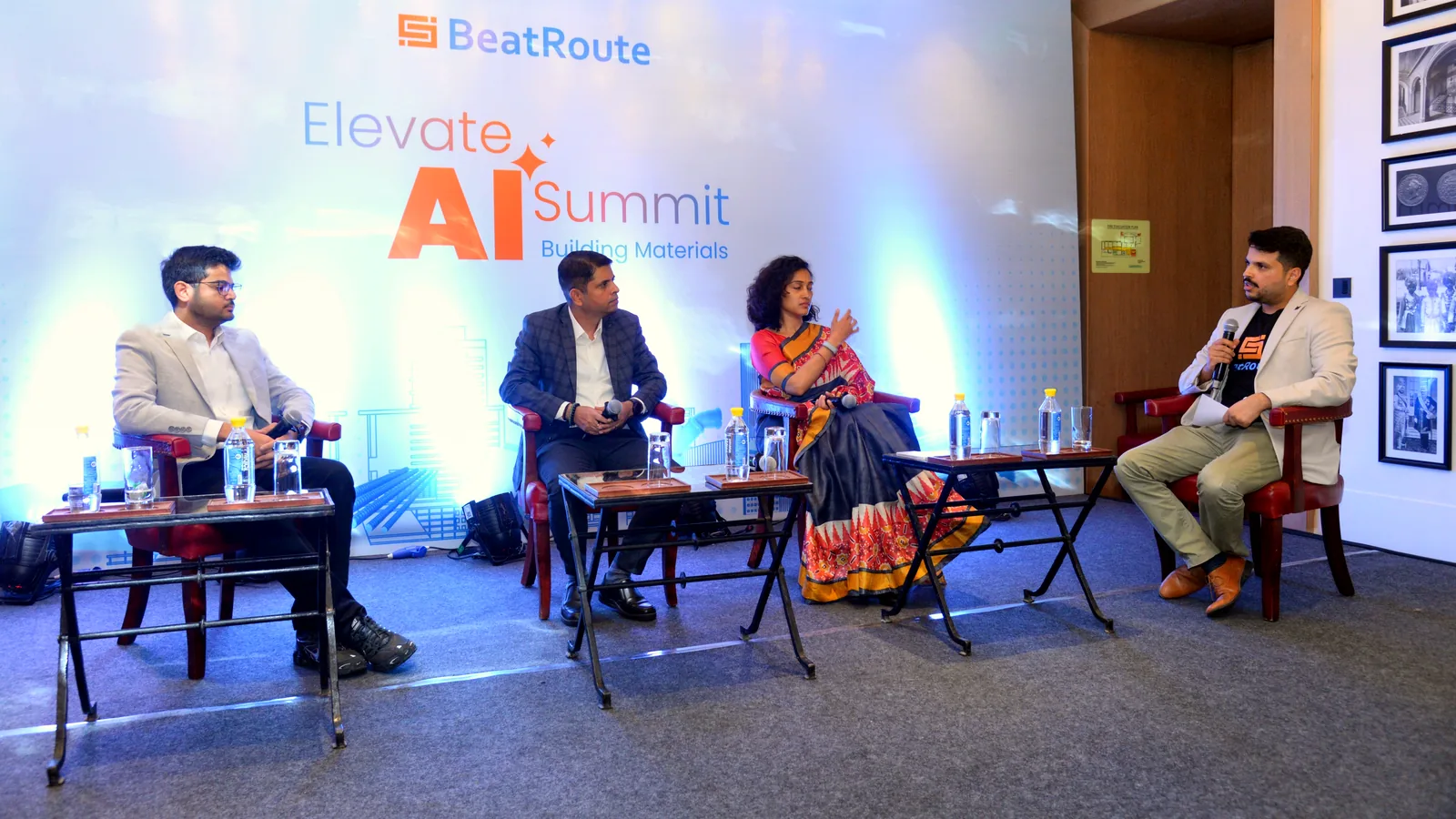
The people behind India's leading building materials brands took the stage to talk about AI in building materials route to market, drawing on decades of hands-on experience.

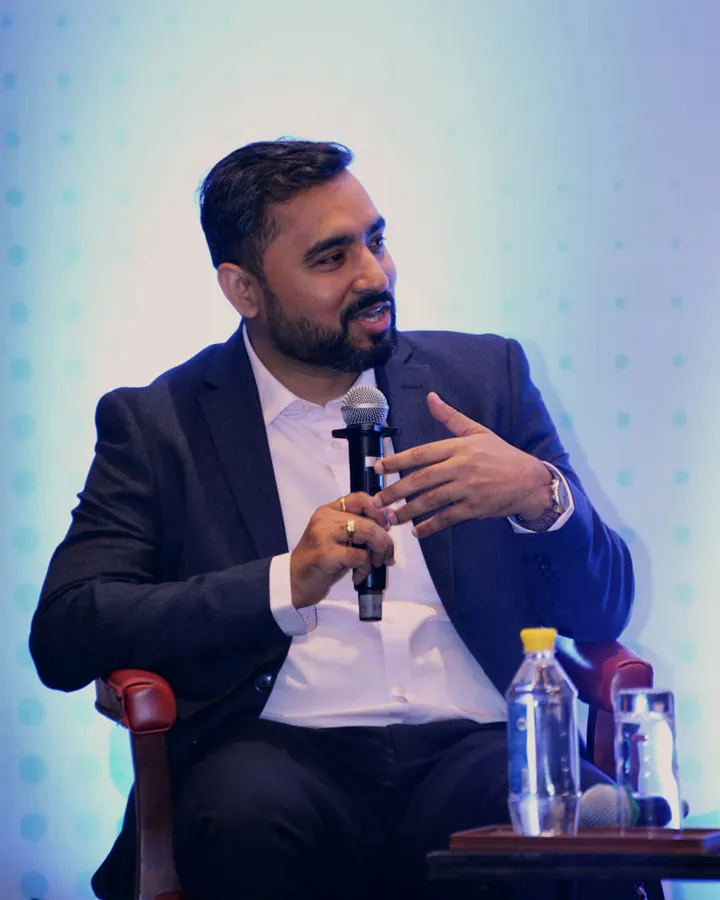
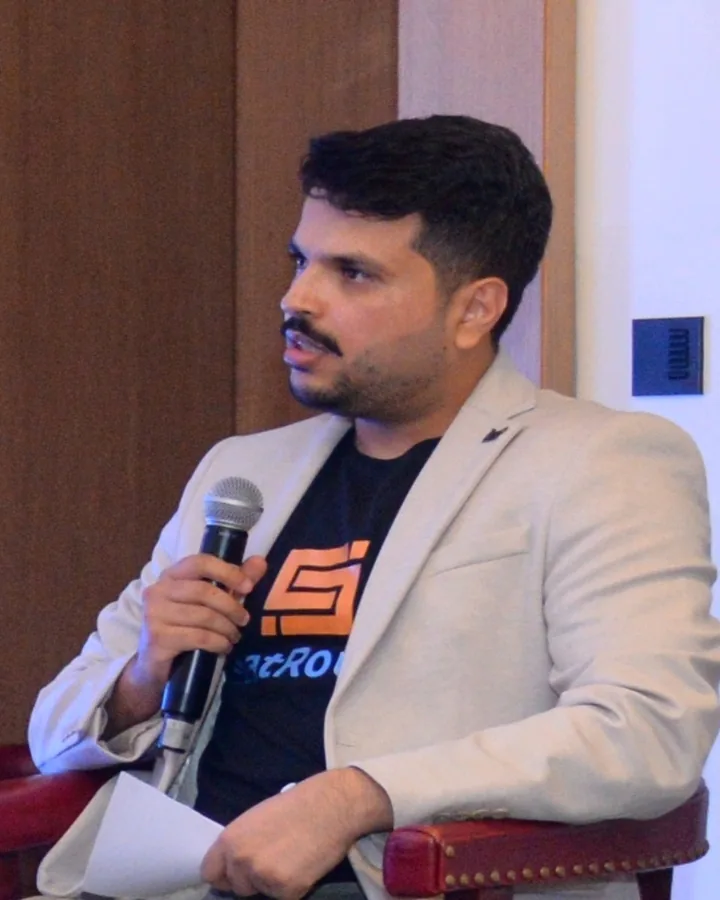
Shrivatsa Somany of Somany Ceramics speaking at BeatRoute Elevate Gurugram

Shrivatsa Somany

Head, Bathware

Somany Ceramics
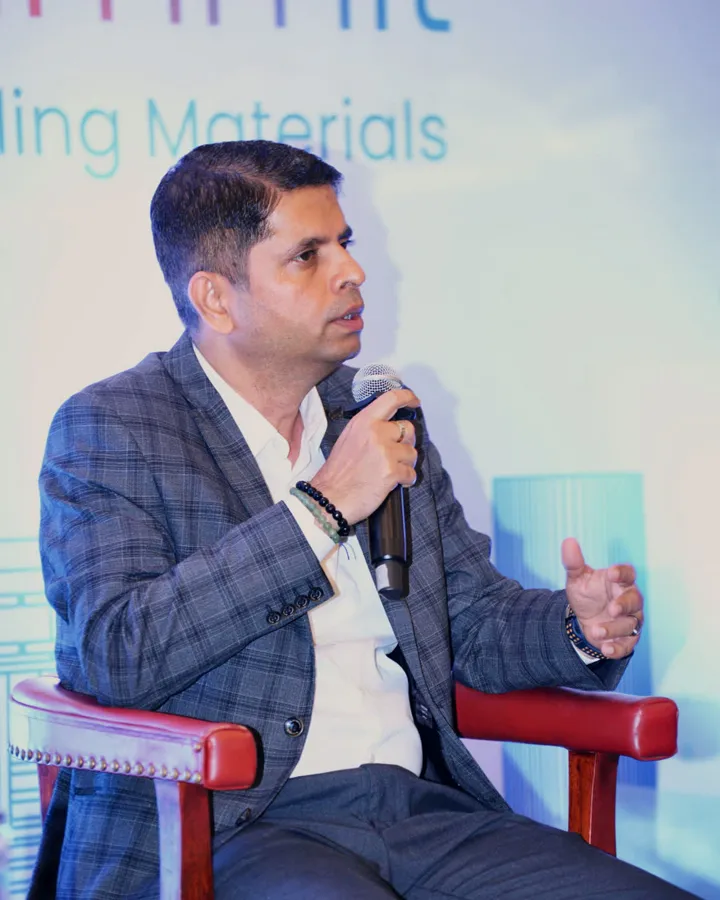
Amit Gupta of Jindal Steel speaking at BeatRoute Elevate Gurugram

Amit Gupta

Business Head, Rebars and Cement

Jindal Steel
Pratima Rao of Tata Steel speaking at BeatRoute Elevate Gurugram

Pratima Rao

Chief Sales Manager, Branded Products & Retail, North

Tata Steel
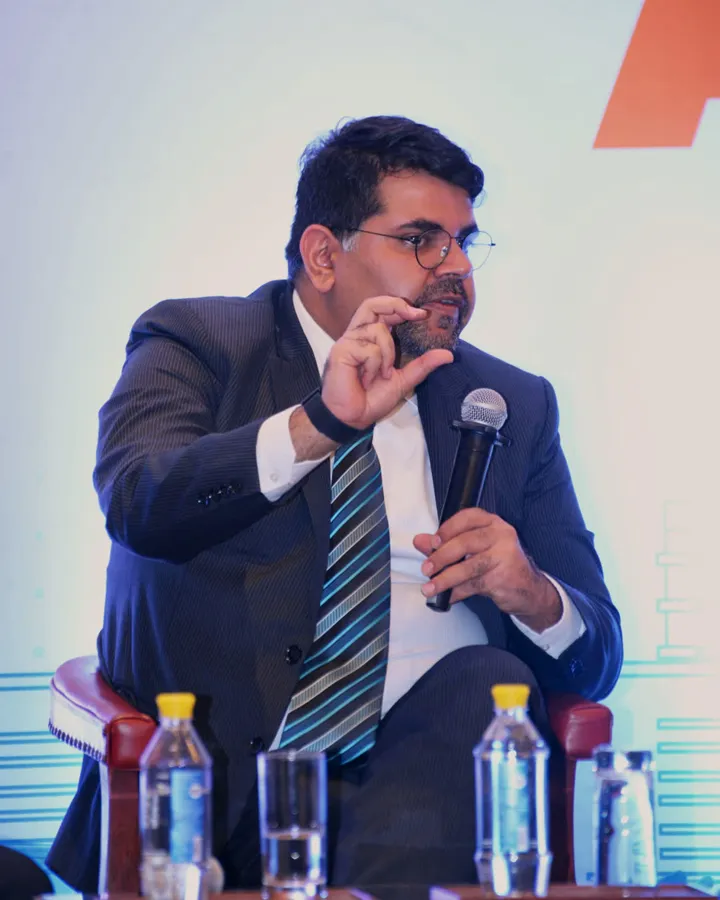
Ishang Jawa of BCG speaking at BeatRoute Elevate Gurugram

Ishang Jawa

Managing Director & Partner

BCG
Arjun Mehta of Signify speaking at BeatRoute Elevate Gurugram

Arjun Mehta

Director & Head, Commercial Excellence, Digitization & Loyalty

Signify
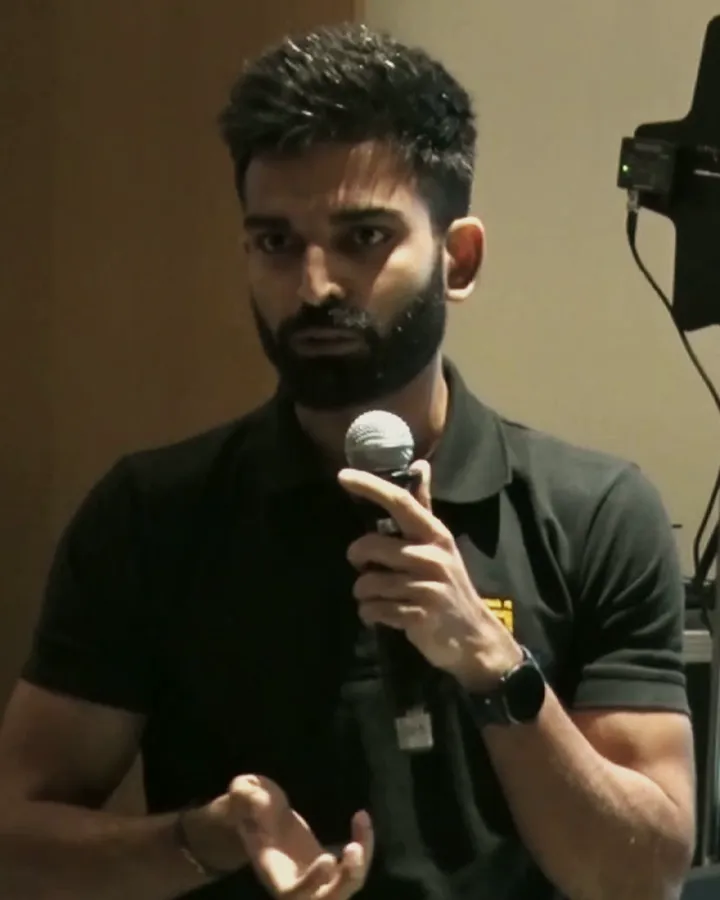
Puneet Sharma of Merino Group speaking at BeatRoute Elevate Gurugram

Puneet Sharma

Head, Sales Excellence

Merino Group
Amit Kumar of Birla Nu speaking at BeatRoute Elevate Gurugram

Amit Kumar

Head, Sales Excellence

Birla Nu

Hosted by BeatRoute

Vinay Singh, Co-Founder & CEO at BeatRoute, at Elevate Gurugram

Vinay Singh

Co-Founder & CEO

BeatRoute
Nikhil Chaudhary, VP Marketing at BeatRoute, at Elevate Gurugram

Nikhil Chaudhary

VP Marketing

BeatRoute
Kaushal Kumar, Director of Product & Strategy at BeatRoute, at Elevate Gurugram

Kaushal Kumar

Director of Product & Strategy

BeatRoute