
Why painter loyalty program budgets are under pressure
Paint companies are selling more paint and making less money from it.
8–9%
more paint sold by volume in fiscal 2025, while industry revenue fell as price cuts, rebates and discounts ate the gains
So every rupee in the painter budget is under a microscope. Yet most companies still judge their painter loyalty program, often called an influencer loyalty program, by one number: how many painters signed up.
That number cannot tell you whether painters keep actively recommending your paint, or whether the program brings in enough business to pay for itself.
This playbook shows what to measure and reward instead. It draws on our conversation on the BeatRoute Podcast with Ashish Rai, who runs the decorative paints business at JSW Paints, and on what paint companies have told their investors.
Why paint influencers decide the brand
Once paint is on a wall, nobody can see the brand. They only see the finish.
Paints is not just a product, it’s actually an experience.
 Ashish Rai, CEO, Decorative Paints, JSW Paints

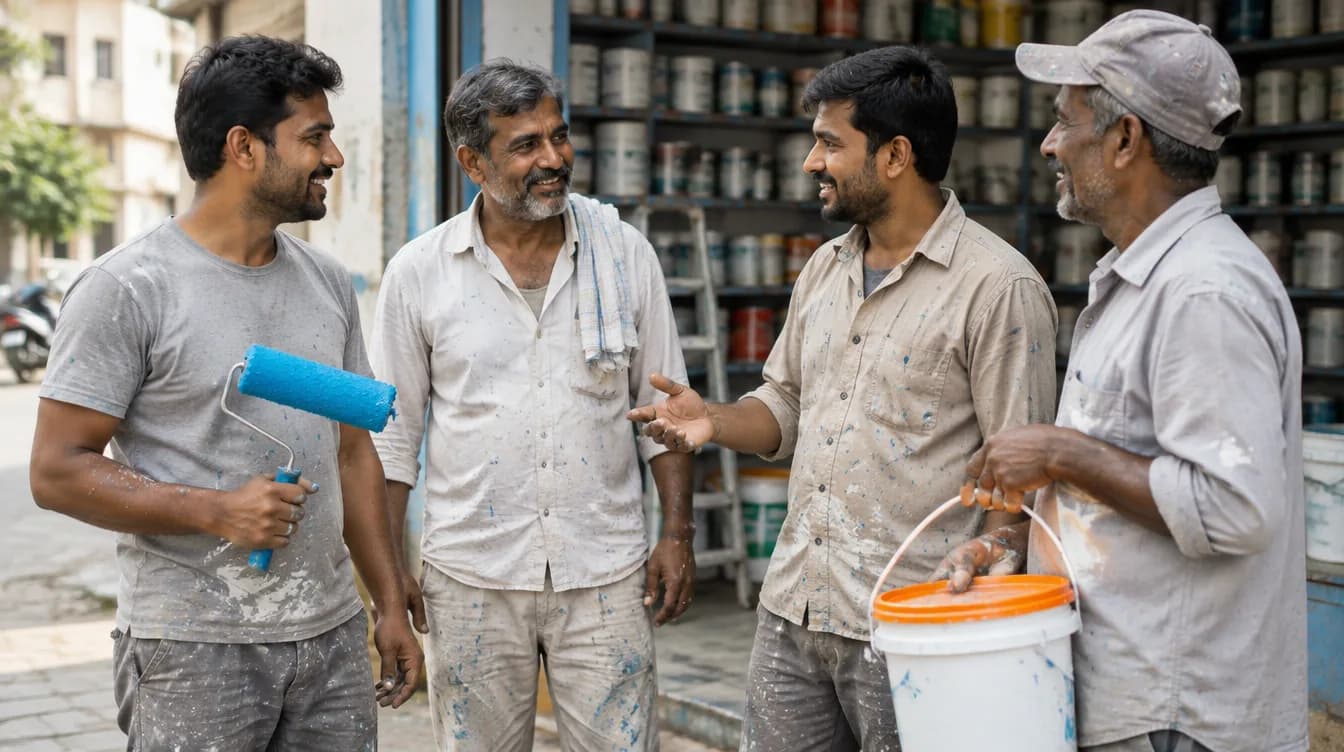
The person who delivers that experience is the painter. Ashish estimates that in Indian cities, about 60% of what a customer pays for a paint job goes to the painter or contractor, and only 40% to the paint itself. When the painter is most of what the customer is paying for, the customer trusts the painter’s recommendation of brand.
That is why the paint trade calls painters and contractors influencers. They rarely pay for the paint themselves, but they decide which brand the customer buys.
Customers now arrive with ideas from Instagram and YouTube. Many go further: they photograph a room and ask ChatGPT or Gemini to redecorate it, so they walk in with a clear picture of the finished look and expect the painter to match it on a real wall. In Ashish’s words, the job has become “far more intense but also far more rewarding.”
What this means for you
A paint company cannot just reward painters. It has to help them do better work:
- Training on new products and finishes
- Support on site
- Quick answers when something goes wrong
A painter whose work goes well keeps recommending the brand that helped.
Sign-ups are the wrong painter loyalty metric
Paint companies are spending more to win paint influencers. Here is what they have told investors:
- Berger Paints raised painter spending in response to competition (earnings call, Feb 2026).
- Indigo Paints moved advertising money towards painter and contractor engagement (earnings call, Aug 2026).
Yet most programs still report enrollment. It is easy to count, but a registered painter may never scan a single product. Inactivity is common: Grasim told investors that across the industry only “about 50%-60% of the dealers are active” in a given quarter. There is no reason to assume the painter base is any healthier.
A sign-up count tells you
- Who downloaded the app
- Who registered once
Repeat use tells you
- Who chose your paint this month
- How often they choose it
- How big their jobs are
- Which dealer supplied them
It doesn’t matter how many influencers deal with me in a year; what matters is how frequently they deal with me and use my products.
Ashish Rai, CEO, Decorative Paints, JSW PaintsA painter who uses your paint often is recommending it on every job. That repeat recommendation is what a painter loyalty program is really paying for, so it is what you should measure.
Measure repeat use: five painter loyalty metrics
Five numbers to track instead of sign-ups. Each one answers a question your sign-up count cannot.
Start here
Active painter ratio
How much of my budget reaches painters who use my paint?
Active painter ratio is the share of enrolled painters with a valid scan or invoice in the last 90 days.
Usage frequency
How often do painters choose my brand again?
Usage frequency is the number of valid scans per active painter each quarter.
Value per active painter
Who does the big jobs?
Value per active painter is the value of your products linked to each painter.
Scan-to-dealer match rate
Which dealer did the paint come through?
Scan-to-dealer match rate is the share of scans you can link to the supplying dealer.
Program return
Does the program pay for itself?
Program return is the extra profit from the program against its full cost.
Start with active painter ratio. In one number, it tells you how much of your painter budget reaches painters who actually use your paint. Program return is harder, because some sales would have happened anyway, so compare painters in the program with similar painters outside it before giving the program credit.
Treat every loyalty scan as a demand signal
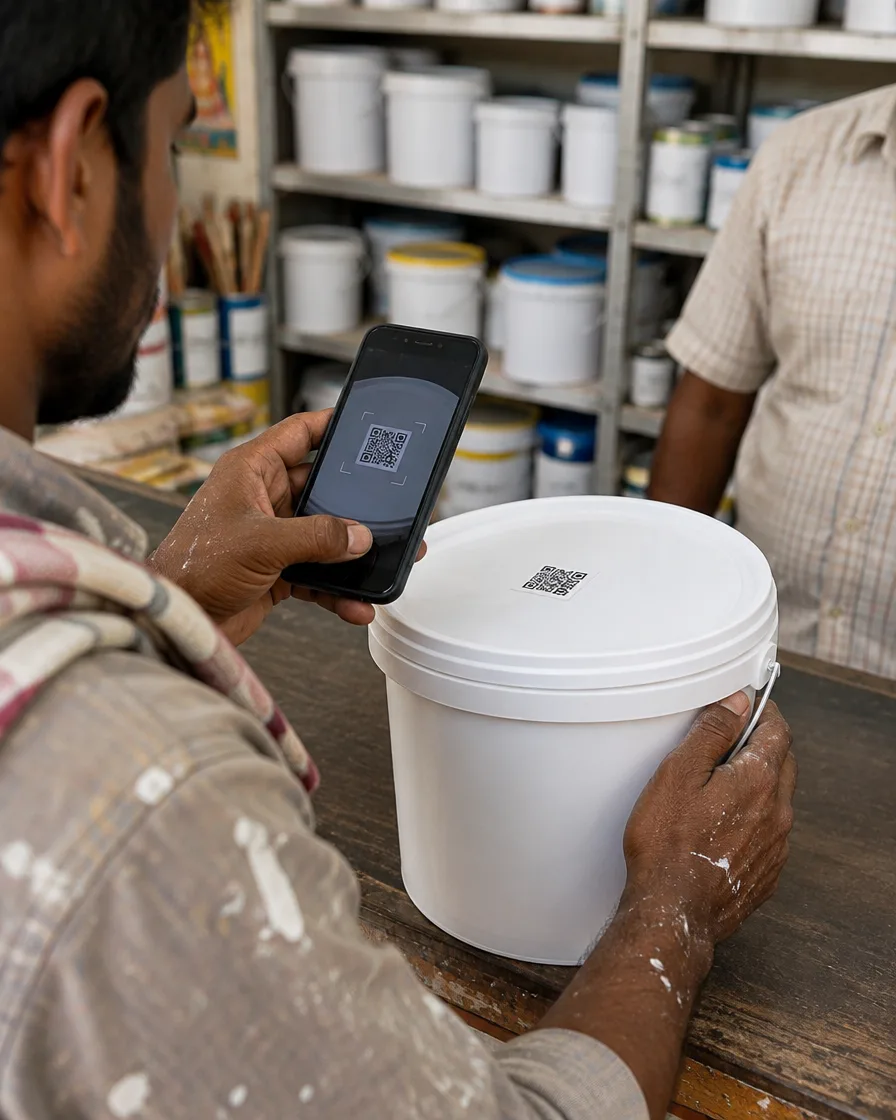
A scan is usually counted as a cost: points owed. Ashish points to a second use.
When they buy a product, they scan it because they get some discounts when they scan. How does that data … flow into the warehouses and how can you plan your replenishment of products?
Ashish Rai, CEO, Decorative Paints, JSW PaintsA scan tells you a painter used one of your products, and when. It does not prove a new sale on its own, and it does not always show which dealer supplied the product. Link scans to dealer invoices and stock, and they become far more useful. You can:
- Spot dealers that may be running low before they run out
- Find painters going quiet and learn why
- Pair active painters with the right dealers, so both sides earn more
- Brief sales reps before a dealer visit, so each visit has a purpose
An example. Scans of a waterproofing product drop in one area. Instead of sending a discount, the territory manager checks dealer invoices and stock, and the rep talks to the dealer and a few painters. If the product was out of stock, the fix is supply. If stock was fine but painters stopped using it, the fix may be training or product support. Either way, the next step is to watch whether scans and dealer sales recover.
Segment paint influencers into four groups
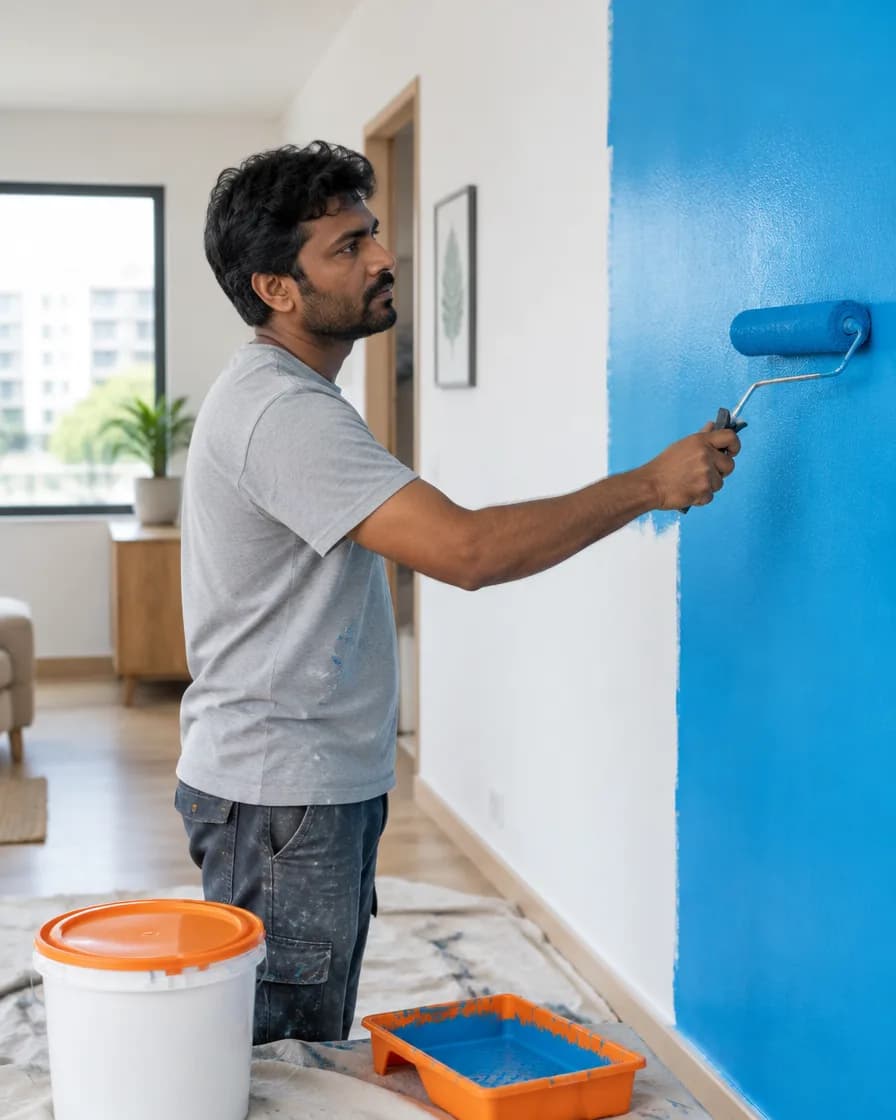
The biggest source of waste is giving every painter the same offer.
Once you can see how often each painter uses your paint, and how much, you can stop treating them as one crowd. Ashish frames it as two separate goals:
Where do you want them to purchase more often and where do you want them to purchase more value.
Ashish Rai, CEO, Decorative Paints, JSW PaintsPut those two questions on a map and every painter falls into one of four groups. Each group needs a different offer.
Big jobs · uses rarely
Big but occasional
Win more of their jobs
Check their project cycles and whether your products were in stock. Offer support before a discount.
Big jobs · uses often
Champions
Keep them
Early access to new products, recognition, fast payouts, training invites.
Small jobs · uses rarely
Sleepers
Find out why before spending more
Check for no current work, missed scans, service problems or a switch to another brand. Reactivate only the ones worth it.
Small jobs · uses often
Steady regulars
Grow the job size
Training on premium and specialty products, support for upgrades.
Set the lines between “often” and “rarely”, and “big” and “small”, from your own market’s data, and allow for slow seasons.
Pay painter rewards fast and stop loyalty fraud
Rewarding repeat choice only works if painters trust the rewards, and if the rewards reach the right painters.
Having a one-on-one connect in the local language, making sure that whatever benefits they have on using your product in terms of the discounts and loyalty points, are instantly credited to their bank account.
Ashish Rai, CEO, Decorative Paints, JSW Paints- Their language: talk to each painter one-on-one, in the language they use at home and on site.
- Fast payouts: rewards should reach the painter’s bank account quickly, every time.
- Their channel: “You can’t inculcate a new habit,” Ashish says. If painters live on WhatsApp, reach them there.
Slow reward payouts break painter trust
Play Store reviews of painter reward apps repeat the same complaints: points missing after a scan, bank details that cannot be changed, and support lines that do not connect. A painter who stops trusting your rewards stops scanning, and often starts recommending another brand.
Do not assume rewards were paid. Measure the time from a valid claim to the money reaching the painter, and the share of complaints solved within the time you promised.
Loyalty fraud is real, even if few people talk about it
Police in Rajasthan arrested two people accused of drawing ₹1.72 crore from a paint company’s reward system. Investigators say that during 2025 the accused changed the values behind the scratch codes on paint buckets, so payouts in the area ran far above actual sales. The company caught it in an internal audit. Every rupee lost to fake claims is a rupee not spent on painters who actually recommend you.
Other leaks to watch for
- Points sold or traded between people
- Scans made on a painter’s behalf by someone else
- Labels too damaged to scan, which push painters to workarounds
- The same invoice uploaded more than once
- Payouts in an area that are out of line with the products actually sold there
To catch these, a loyalty management system should check every scan against its product code and batch, check payouts against real dealer sales, and flag unusual patterns, such as many scans from one place in a short time.
Fewer, better painter and dealer partners
Signing up every painter and every dealer in a town looks like growth. JSW Paints takes the opposite approach and works with a few chosen partners in each locality. Too many partners chasing the same customer, Ashish explains, “will just create some confusion” and then they “will start asking for rebates.”
A tighter network pays off after the sale too. When a customer has a problem, JSW Paints solves it through the same painter and the same dealer who handled the job. Ashish describes this as the need to “triangulate between the consumer, the applicator and the retailer,” a relationship he calls “sacrosanct.”
A small group of active, well-supported painters can outsell a large group of inactive ones. The right size depends on your coverage and on how many painters your dealers can support. What matters is how many relationships are productive, not how many exist.
How healthy is your painter loyalty program?
Eight quick questions to see where your program stands. Your score appears when you finish.
- 1Do you know your active painter ratio?
- 2Do you track how often each painter uses your paint?
- 3Do different painter groups get different offers?
- 4Do you measure the time from claim to payout?
- 5Do you reach painters on WhatsApp, in their language?
- 6Are duplicate scans and invoices blocked automatically?
- 7Can you link a painter's scans to the supplying dealer?
- 8Do your reps see painter activity next to dealer stock?
0 of 8 answered
6–8 yes Strong program
Check it brings extra profit, not just activity.
3–5 yes Solid base
Start with groups, payout speed and dealer links.
0–2 yes Likely waste
Start with active painter ratio and duplicate checks.
How BeatRoute loyalty management software closes these gaps
Every “no” in the self-check is a gap between what your painter program spends and what you can see. BeatRoute’s loyalty management software closes those gaps in one system, connected to your dealers, distributors and sales team.
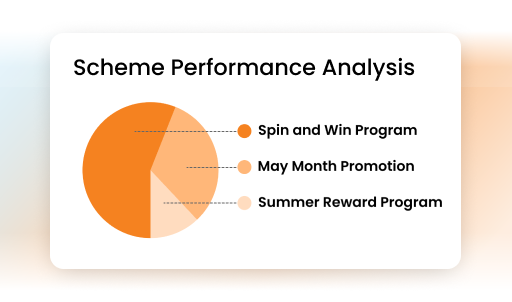
See which painters drive sales
Know which painters, regions and schemes bring in business, and put your budget there.
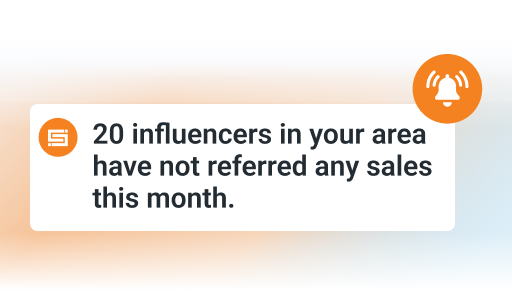
Win back painters before they switch
Spot painters going quiet early and bring them back with the right offer.
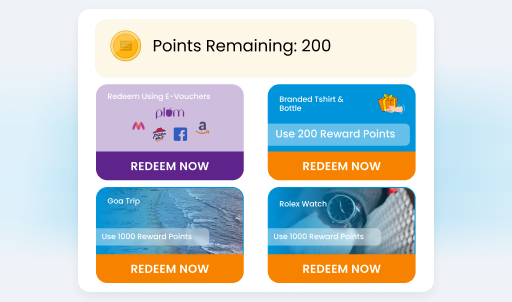
Give painters rewards they trust
Painters get paid the way they prefer and always know where their points stand.
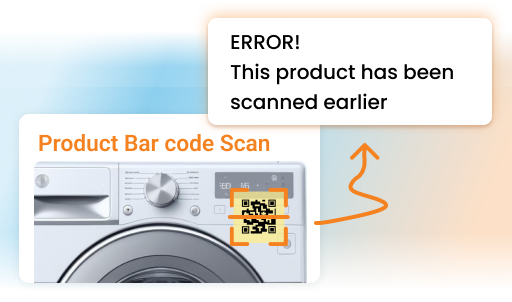
Stop paying for fake claims
Every reward is tied to a real purchase, so your budget reaches genuine painters.
With BeatRoute you can also:
- Give each painter group and territory its own offer
- Reach painters on WhatsApp, in their own language
- See painter activity next to dealer sales, and pair painters with the dealers who supply them
Paint companies already run on BeatRoute. A leading paint brand in the Philippines improved sales productivity by 30% after choosing BeatRoute.
Drive more sales from your paint influencers
Painter loyalty program FAQs
What is a painter loyalty program?
A painter loyalty program rewards painters and contractors for using a paint brand. Painters usually earn points by scanning codes on products or uploading invoices, then redeem them for cash, gifts or other benefits.
How should paint companies measure painter loyalty programs?
By how often painters use your products and how much. Five useful metrics are active painter ratio, painter usage frequency, product value per active painter, scan-to-dealer match rate and program return.
Why do painters influence paint brand choice so much?
Ashish Rai of JSW Paints estimates that labour is about 60% of the cost of a paint job in Indian cities. The painter turns the customer's idea into a finished wall, so the customer usually follows the painter's recommendation of brand.
How can paint companies cut waste in painter programs?
Group painters by how often and how much they use your products, and give each group its own offer. Find out why painters go quiet before spending more on them. Block duplicate claims, check payouts against real sales, and compare the extra profit with the full program cost.
Why does payout speed matter in painter programs?
Slow or missing payouts are among the most common complaints in painter app reviews. When rewards arrive late, painters lose trust and are more likely to switch brands. Track the time from a valid claim to the money reaching the painter.
Sources (7)
- Ashish Rai, CEO, Decorative Paints, JSW Paints. BeatRoute Podcast, Episode 10, June 2026.
- CRISIL Ratings, “For paint makers, competition heat takes colour off revenue, margin”, August 2025.
- CRISIL Ratings, “Steady volume, intense competition to cap paints growth at 3-5%”, January 2026.
- Grasim Industries, Q3 FY26 earnings call transcript, February 2026.
- Berger Paints, Q3 FY26 earnings call transcript, February 2026.
- Indigo Paints, Q1 FY27 earnings call transcript, August 2026.
- The420.in, “Two Arrested in ₹1.72 Crore Paint Company Scratch Code Fraud”, April 2026.