Sales Force Automation Software (SFA)
Most traditional Sales Force Automation software stops at tracking field activity. BeatRoute goes further by ensuring every business goal is executed in the market, closing the gap between planning and execution across every channel, territory, and field sales team

“It is well tailored towards helping the sales team make visits effective…”
“Love the AI-guided tasks … and how it adapts to every industry.”
“We didn't need long training sessions or complex setups.”
“The platform's flexibility allowed us to tailor it to our specific needs.”
⊢Trusted by Category Leaders Worldwide⊣



Don't Make the Obvious SFA Deployment Mistake
Nearly 80% of brands don't see a meaningful improvement in sales goal achievement after deploying Sales force automation software. That's because they choose a platform that:
Tracks sales activity instead of guiding what to do next
Things done
10:42 · Visit logged
11:15 · Check-in captured
11:58 · Order entered
Next best action?
Isn't functionally scalable as their sales strategy evolves
- Platform limit
Why 200+ brands chose BeatRoute and you should too
Traditional SFA
VsBeatRoute SFA
GPS Tracking
Order Capture
Outlet Segmentation
Clean Outlet Universe + Market Optimization
- What agenda to drive
- Planogram compliance with just one click
- Call and automatically take orders
- Analyze territory
- Zero-code
- Functionally scalable

Track Goals


15 / 20
Visits
71%
Coverage
76%
Performance

12 / 18
Visits
64%
Coverage
69%
Performance
 Schedule
 Goals
Goals Feed
Feed Customers
 History
18 / 22
Visits
78%
Coverage
82%
Performance
01 · Plan
Plan your territory perfectly
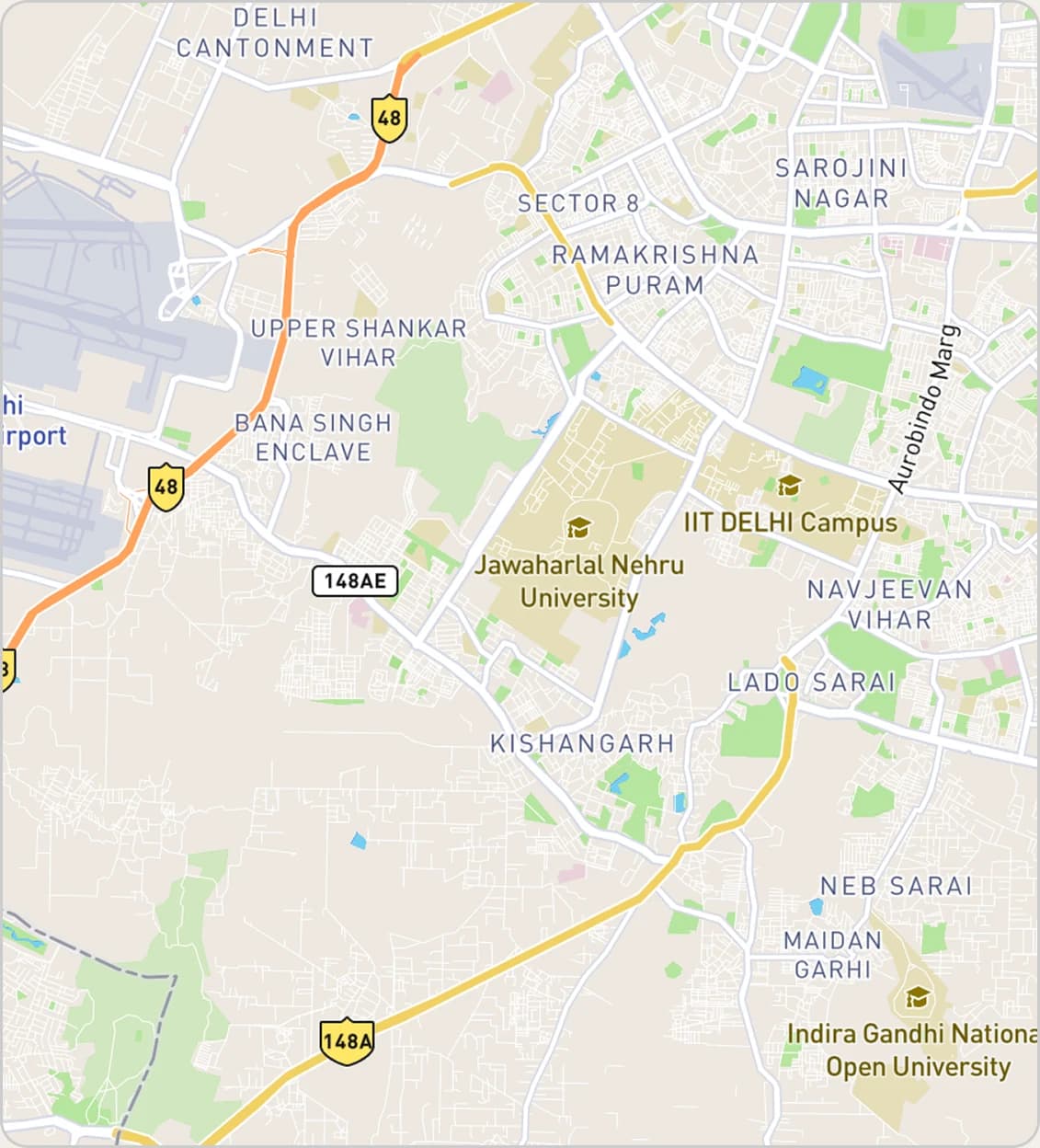
Goal-Driven AI Agents plan every route and every visit to maximize territory coverage and field productivity
Route Optimization AI
Builds the shortest, most efficient routes based on territory data and business priorities, ensuring maximum territory coverage with less travel time
 Sharma Building Store
 Sundaram Paints
 Urban Home Project
 Sam Contractor
 JS AdhesivesSharma Building Store
Scheduling AI Agent
Lifts field productivity by sending reps where the business is at the right time
Capabilities
What sales force automation has to do
Plan the territory around the goal, make every visit move that goal, then close the gap while there is still a month left to close it in.
Plan the territory around the goal
Our SFA software helps you build a clean outlet universe, beat plans worth running, and targets each rep and manager can see themselves in.
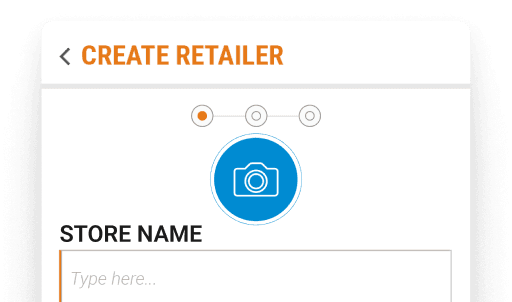
Profile and segment customers
Profile and segment customers to focus your field sales execution on the right outlets for every territory
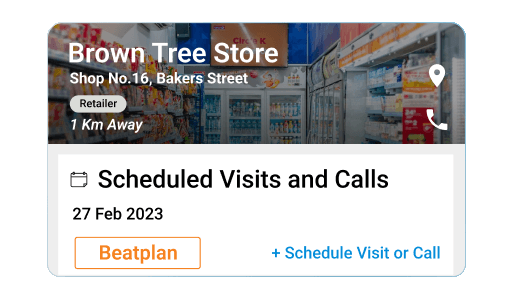
Create optimized beat plans
Build optimized beat plans that maximize coverage and align field reps with territory priorities
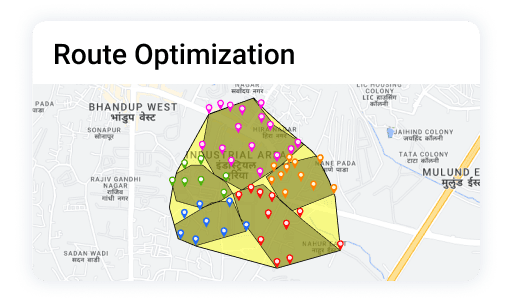
Route optimization for territory planning
Use built-in route optimization to cover more outlets with less travel and reduce time wasted between visits
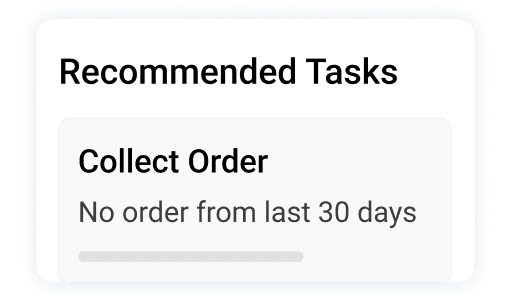
Assign ad-hoc tasks to field sales reps
Assign ad-hoc tasks to field reps for last-minute priorities and ensure they get executed on the ground
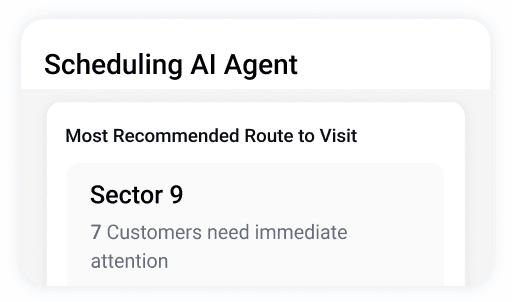
Use Scheduling AI Agent to prioritize highest impact stores
Let the Scheduling AI Agent prioritize the highest-impact stores and the next best action for every rep
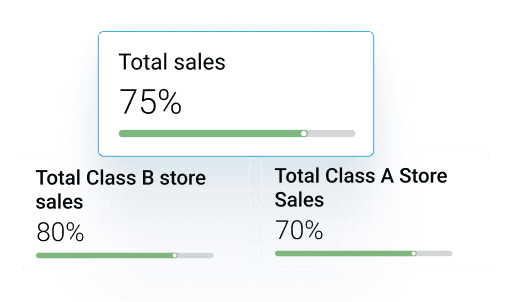
Set custom KPIs with individual and team targets
Set custom KPIs at individual and team levels so every rep knows exactly what success looks like
Make every visit move the goal
Our SFA app helps a rep arrive knowing what to sell at this outlet, capture the order, the shelf and the payment in one visit, and leave with the next action already set.
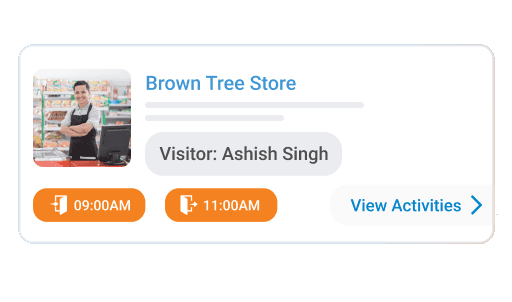
Mark attendance with geo-tagged time logs
Capture attendance with geo-tagged time logs to ensure reps start the day from the right location

Log field activity with GPS tracking
Track every visit and activity in real time with GPS so managers always know what's happening on the ground
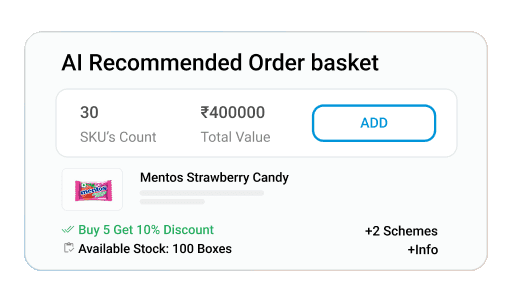
Suggest ideal order baskets with Order AI Agent
Let the Order AI Agent suggest ideal order baskets at each outlet to lift average order value
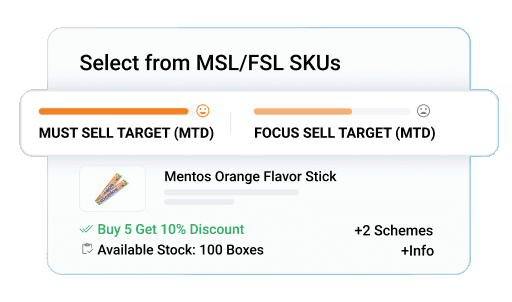
Improve cross-sell and upsell with promotions
Drive cross-sell and upsell at every visit using contextual promotions and scheme recommendations
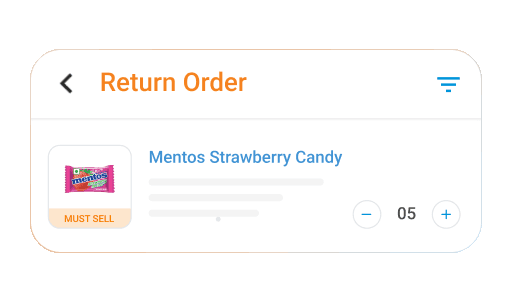
Take stock & process product returns
Take stock and process product returns in-app to keep outlet inventory and sales data clean and current
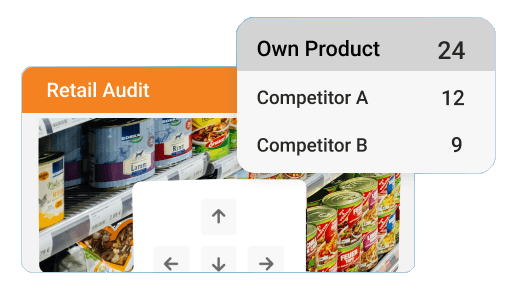
Use AI for visual merchandising
Use AI-powered image recognition to audit shelf share, planogram compliance, and brand visibility at every store
Close the gap while the month is still open
Our SFA software helps managers see where achievement is drifting from target, by rep, territory and outlet, and get told about it rather than going to look.
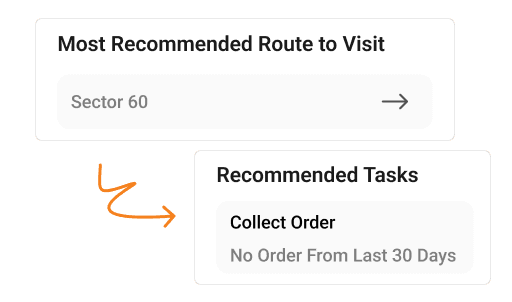
Empower managers with intuitive dashboards in the SFA
Give managers intuitive, role-based dashboards inside the SFA to monitor execution at a glance
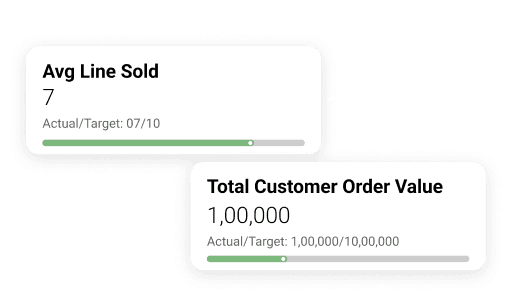
Track real-time performance with KPI Scorecard
Use the KPI Scorecard to track real-time performance against individual and team targets
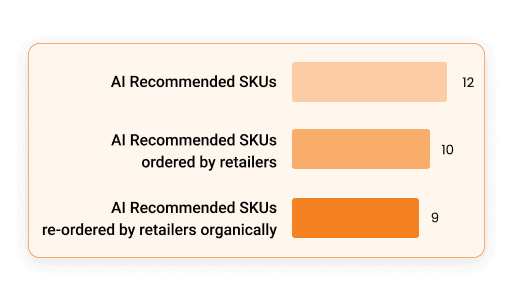
Measure sales uplift from every AI-driven action
Quantify the sales uplift generated by every AI-driven suggestion so you can scale what works
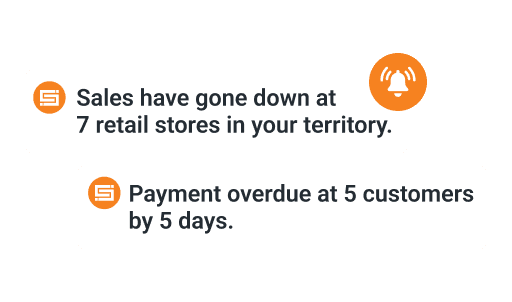
Send real-time deviation alerts to territory managers
Push real-time deviation alerts to territory managers the moment field execution slips off plan
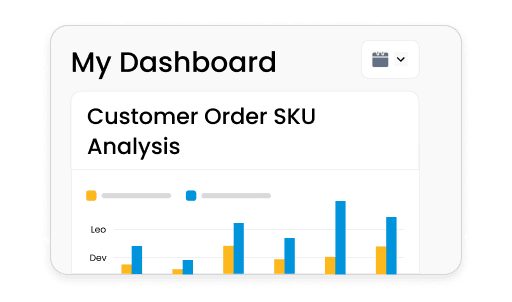
Build custom dashboards with Insights AI Agent
Spin up custom dashboards on demand using the Insights AI Agent, no analyst ticket required
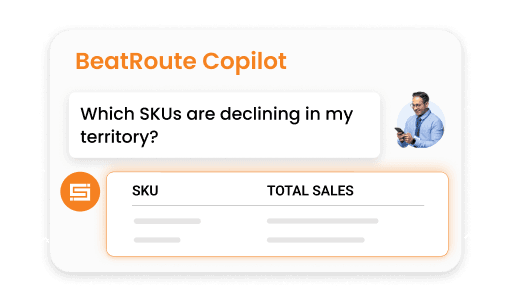
Use Copilot to analyze data via chat interface
Ask BeatRoute Copilot business questions in plain language and get answers, charts, and next steps in seconds

Master & partner data sync
Keep customers, products, and pricing in step via data lake, ERP, or direct integration, your choice
Real-time credit checks & API validations
Every field order is validated against your finance, ERP, or SAP system before it is booked
Custom automations via Matrix middleware
Automate approvals, notifications, and custom workflows across your enterprise systems using real-time field data
Relevant resources


Frequently Asked Questions
What is BeatRoute's Sales Force Automation Software?
BeatRoute's Sales Force Automation Software enables you to digitize and automate key sales processes like visit planning, order taking, KPI tracking, and reporting. It empowers retail sales teams to execute smarter, grow productivity, and improve visibility across territories.
Does BeatRoute's Sales Force Automation Solution work for all sales models?
Absolutely. BeatRoute's Sales Force Automation Solution supports direct, indirect, van sales, and rural distribution models. It adapts to your go-to-market strategy and ensures consistency across all retail execution channels.
What field data does BeatRoute's SFA app capture?
BeatRoute's SFA app captures visit logs, orders, payments, returns, stock levels, competitor info, and more. All data syncs in real time to dashboards, enabling managers to track performance and intervene when needed.
Can BeatRoute's SFA software integrate with existing CRMs or ERPs?
Yes. BeatRoute's Sales Force Automation software integrates seamlessly with CRMs, ERPs, and DMS platforms. It ensures that your field data flows smoothly across your business systems, eliminating manual effort and duplication.
How quickly can a team go live with BeatRoute's mobile SFA app?
While the platform itself can be set up and configured for a brand within days, preparing the customer's data and training their teams takes time. In any case, BeatRoute is ready to deploy within weeks, which is the fastest go-live time in the industry.