
TL;DR Sales force automation (SFA) tools are software that take the repetitive tasks out of selling. They plan visits or calls, record activity, take orders, track leads and report to managers. Before you compare products, decide which kind you need. Teams that sell from a desk to a modest number of large accounts are best served by the SFA module in their CRM. Teams whose reps visit many shops, often through distributors, need a field SFA app.
A tool built for a rep who sells by phone from a desk does little for a rep who walks into shop after shop all day, yet both are sold as sales force automation.
What sales force automation tools do
Every SFA tool automates parts of the sales process so reps spend less time on data entry and more time with customers. Each helps with some mix of five jobs. The difference between products is which of these jobs they do well, and for which kind of rep.
- Plan the day. Decide which customers or outlets each rep calls on or visits, and in what order.
- Record the work. Log calls, visits, notes, photos and survey answers as they happen, instead of typing them up later.
- Sell. Build quotes or take orders with the right prices, discounts and stock in front of the rep.
- Follow up. Track leads, new customers and open deals, and set follow-up reminders so nothing slips.
- Report. Show managers what is happening in the field or the pipeline while there is still time to act on it.
The five kinds of sales force automation tools
1. SFA inside a CRM suite
Most customer relationship management (CRM) suites include an SFA module. It handles contact management and keeps accounts, leads and deals in one place. It moves each deal through pipeline stages, logs emails and meetings, and forecasts revenue from the pipeline.
Who it suits: desk-based B2B teams that sell to a modest number of larger accounts over weeks or months, such as software, business services or industrial equipment. Where it falls short: it assumes a rep at a laptop with a good connection, and it has little to say about outlet visits, shelf checks or what a distributor holds in stock. Our guide to SFA vs CRM covers that gap in more detail.
2. Sales engagement and dialer tools
These sit on top of a CRM and help reps reach many prospects quickly. They run email and call sequences, dial numbers automatically, record and transcribe calls, and remind reps when to follow up.
Who it suits: inside sales teams that prospect by phone and email at volume. Where it falls short: it does nothing for reps who visit existing customers in person.
3. Field sales automation apps
A field SFA app is built for reps who visit customers in person: retailers, dealers, chemists, mechanics or salons. Each morning the app shows the rep a route plan, often called a beat: the fixed list of outlets they cover that day. At each outlet the rep checks in, takes the order with the right price list and trade promotions, records collections and returns, and captures shelf photos and audits. The app keeps working with no signal and syncs later. Managers see visits and orders as they happen.
The stronger field apps also connect to distributors. The rep can see what each distributor holds. The brand can track secondary sales, meaning sales from distributor to retailer, as well as what it billed the distributor.
Who it suits: consumer brands whose reps cover many small outlets, often through distributors, in FMCG, pharma, building materials, consumer durables and similar trades. Where it falls short: it is overkill for a team that sells a few large deals a quarter from the office.
4. Route and territory planning tools
These split a market into territories, decide how often each outlet should be visited, and build the shortest sensible route for each day. Good ones balance workload across reps and favour outlets with more potential, so busy stores are not skipped while quiet ones get weekly visits out of habit.
Who it suits: field teams whose main problem is coverage and travel time. Where it falls short: as a separate tool it plans visits it cannot see. It works best inside a field SFA app, where the plan and the visit data sit together. See how route optimization and visit planning work inside one platform.
5. Field force tracking and attendance apps
These record when reps start and end their day, where they were, how far they travelled and what they claim in expenses.
Who it suits: a business that mainly wants proof of attendance and travel. Where it falls short: it tells you where a rep was, but not what they sold or what they should sell next. Most field SFA apps include sales force tracking as one feature among many.
The five kinds at a glance
| Kind of tool | What it does | Who it suits | Not built for |
|---|---|---|---|
| SFA inside a CRM suite | Leads, contacts, deals, pipeline, forecasts | Desk-based B2B teams selling to a modest number of larger accounts | Outlet visits, offline work, distributor stock |
| Sales engagement and dialer | Email and call sequences, auto-dialing, call recording | Inside sales teams prospecting at volume | Serving existing customers in person |
| Field sales automation app | Route plans, outlet check-in, orders, collections, audits, offline sync | Brands whose reps visit many outlets, often through distributors | A few large deals sold from the office |
| Route and territory planning | Territory design, visit frequency, daily routes | Field teams losing time to travel and missed outlets | Order taking and in-store work on its own |
| Field force tracking and attendance | Attendance, location, distance, expenses | Teams that mainly need proof of presence | Guiding what the rep sells |
If you sell to consumers through shops, most of what you need sits in the third kind, with route planning and tracking built in. Buying them as three separate tools means three logins for the rep and three sets of data for the manager to stitch together.
Features to check before you buy
Whatever kind you shortlist, run each product through this checklist. For a deeper look at what field SFA should achieve, read our sales force automation software guide, and for FMCG buyers there is a longer FMCG SFA evaluation checklist.
- Planning: does it tell each rep where to go or whom to call today, and why that customer comes first?
- Quick capture: can a rep check in, log a visit and fill a form in a few taps? For field teams, does it all work offline?
- Orders: does the rep see the right price list, discounts, trade promotions and stock while taking the order, and does the tool suggest what to add?
- Leads and new customers: can reps add a new outlet or lead on the spot, with approval and assignment handled for them?
- Manager view: can a manager see visits, orders and gaps against target today, without waiting for a report?
- Integrations: does data move both ways with your ERP, accounting system, CRM and, if you use distributors, their billing system?
- Configuration without code: can your own team change forms, approvals and workflows when the sales plan changes?
- Adoption: is the app fast on the phones your reps really carry, in the languages they speak, on patchy data?
- Guidance: does the tool recommend the next outlet, the next call or the next order line, or does it only show what already happened?
- Pricing structure: is it charged per user, per module or both, on monthly or annual terms? What do setup, integration and support cost on top?
Judge each feature by one question: will a rep use it every working day? A feature nobody opens only adds cost.
How the choice changes with how your team sells
Desk or field
Reps who sell by phone, email and video live in the CRM and need pipeline, sequences and forecasts. Reps who sell in person live on a phone in a shop doorway and need route plans, offline order taking and quick in-store forms. Most teams are clearly one or the other. If you have both, pick the tool for the larger team and connect it to the other. Many consumer brands run exactly this split: the key-account team that sells to retail chains works in the CRM, while the field team that covers independent shops works in a field SFA app.
A few large accounts or many small outlets
With a few large accounts, each deal is a project: long, high value and tracked stage by stage. With many small outlets, the work is repetitive and the gains come from coverage, visit frequency and order size per visit. A rep who sees the same grocery store every week gets more from a good order suggestion than from pipeline stages.
Direct or through distributors
If you sell through distributors, the rep's order often goes to the distributor, not to you. Your SFA tool then needs to see distributor stock, pass orders to the right distributor and record secondary sales. That usually means field SFA linked to a distributor management system. A CRM's SFA module rarely covers this without heavy custom work.
A simple rule: if your reps sell from a desk to a modest number of large accounts, start with the SFA module in your CRM. If your reps visit many shops and you sell through distributors, buy a field SFA tool that sees distributor stock and secondary sales. If that is your team, see how BeatRoute handles it in a demo.
By industry
Field SFA is set up differently for each trade. What to look for in the main ones:
- FMCG and food: many outlets, frequent visits, trade promotions applied at order time and distributor stock in view. Cremica Food Industries raised sales productivity per rep by 30% after moving its field team to BeatRoute (read the Cremica case study).
- Pharma: doctor and chemist calls, sample tracking and records that stand up to compliance checks. Nurturemed Pharma in the Philippines raised the productivity of its medical reps by 20% with BeatRoute (read the Nurturemed case study).
- Building materials and paints: dealers plus the contractors, masons and painters who influence them, often with a loyalty program. A leading paints brand in the Philippines improved sales productivity by 30% on BeatRoute (read the paints brand case study).
- Consumer durables: dealer counters, display checks, product demos and in-store promoters. Look for a tool that tracks what each dealer sells through, not only what they ordered, since stock can sit on a dealer's floor for months.
- Agri inputs: short selling seasons, dealer stock placement and tracking how much stock dealers actually sell through to farmers. A tool that only reports at month end is too slow when the season lasts a few weeks.
- Beer, wine and spirits: outlet visits and promotions bound by rules that change from market to market, plus shelf and visibility checks. Look for a tool that sorts outlets by licence type and only offers each outlet the promotions it is allowed to receive.
- Cosmetics: merchandising, beauty advisors in store and visits to salons as well as shops. The tool should handle promoter attendance and sales alongside the rep's visits.
- Auto parts and lubricants: retailers and the mechanics who recommend parts and lubricants. Valvoline Cummins lifted customer connect, the share of assigned customers its reps actually reached, from 25-30% to 70%+ with BeatRoute (read the Valvoline case study).
Test the tool with a pilot before you sign
A pilot shows whether your reps will use the tool on a normal working day, which no demo can tell you. Run one before you commit to a full rollout.
- Keep it small and real. Pick one territory and a small group of reps, and run it for at least one full month, including a month-end close. Include average reps, not only your best ones. Your best reps make any tool look good.
- Keep a comparison territory. Track a similar territory that keeps working the old way over the same weeks, so a good month or a new promotion does not get the credit.
- Use your own data. Load your real outlets or accounts, price lists, trade promotions and, if you have them, distributor stock. A pilot on sample data proves nothing.
- Agree the measures first. Write down what you will compare before the pilot starts: visits or calls per day, the share of visits that end in an order, lines per order, time spent on admin and how often managers open the dashboard.
- Ask the hard questions during the pilot. What happens when there is no signal? Who builds and maintains the integrations? What can your team change without the vendor? How long will the full rollout take, and what will the pilot and the rollout cost?
If reps stop using the tool during the pilot, they will not use it at scale. That is the cheapest lesson you will get.
Where BeatRoute fits
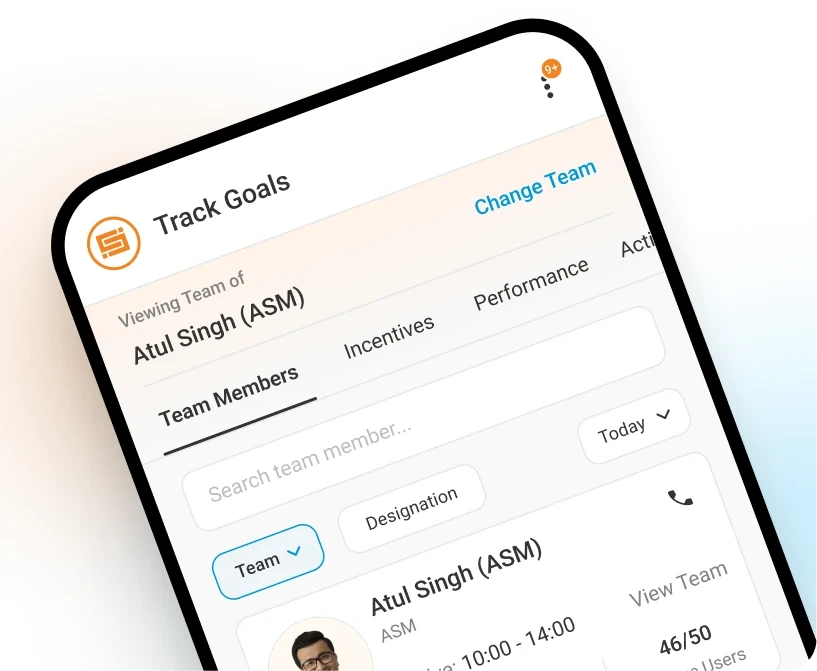
BeatRoute is field sales automation software for consumer brands that sell through distributors and retailers. The SFA app, the distributor management system and a retailer ordering app run on one platform, with AI agents that plan visits and suggest orders. More than 200 enterprise brands across 20+ countries use it, and most teams go live in 21 days.
Perfetti Van Melle Indonesia tripled its outlet coverage with BeatRoute SFA and route optimization (read the Perfetti Indonesia case study).
BeatRoute is the wrong choice if your reps sell from a desk to a modest number of large accounts. The SFA module in a CRM will serve that team better. If you only need attendance tracking, a lighter app will do.
If your reps visit outlets and you sell through distributors, request a demo and we will walk through it with your own route plans and order flow.
Frequently asked questions
What is a sales force automation tool?
It is software that automates the routine parts of selling: planning visits or calls, recording activity, taking orders, tracking leads and deals, and reporting to managers. The aim is to give reps more time with customers and managers a live view of the field or pipeline.
What is the difference between SFA and CRM?
A CRM is the record of your customers and your relationship with them. SFA runs the daily selling work: who to visit or call, what to sell and how the day went. Many CRMs include an SFA module for desk-based sellers, while field teams usually need a dedicated field SFA tool.
What are examples of sales force automation tools?
Examples fall into five kinds. The SFA module in a CRM suite tracks leads and deals for desk-based sellers. Sales engagement and dialer tools run call and email sequences for inside sales. Field sales automation apps, such as BeatRoute, plan outlet visits and take orders on the road. Route and territory planning tools build daily routes, and tracking apps record attendance and travel.
Which features matter most in an SFA tool?
Daily planning, quick activity capture, order taking with the right prices and stock, a live manager view, integrations with your ERP and other systems, and an app reps will actually use. Field teams should add offline working to that list.
Do field sales teams need a different tool from inside sales teams?
Usually, yes. Field reps need route plans, outlet check-in, offline order taking and in-store checks, and brands that sell through distributors need distributor stock and secondary sales in view. Inside sales teams need pipeline, sequences and calling tools instead.
How much do sales force automation tools cost?
Most are priced per user, often with extra charges for modules, setup, integrations and support. Add up the cost for your full team over a year, including setup and integrations. BeatRoute is priced per user and module on annual contracts and has no free trial.
How long does it take to roll out an SFA tool?
It depends on team size, how many systems you connect and how much you configure. Most BeatRoute teams go live in 21 days. Larger projects take longer: PT Combiphar went live on BeatRoute SFA in two months (read the PT Combiphar case study).
Does a small sales team need SFA software?
A handful of reps with simple orders can often manage with a CRM or a light app. SFA pays off as the number of reps, customers and products grows, and as managers lose sight of what happens in the field.