
In short SFA software helps a sales team run its week: who gets visited, what gets ordered, what got done. Choose the type before the brand name. A team that works from a desk and chases a few big accounts can live inside a CRM. A team that walks and drives between dukas, kiosks and provision stores, with distributors and wholesalers in the middle, needs a field SFA app. That app must work offline and show distributor stock.
Picture two managers. One runs 40 reps on foot around Nairobi. The other runs van sales crews out of a depot in Lagos. Both type "sales force automation tools" into Google. Most of what comes back was designed for a rep at a desk with fast broadband and a handful of buyers. Buying that tool for a duka route is the usual mistake, and an expensive one.
What an SFA tool actually does for your team
Think of it as five jobs. A product may be strong at two or three and weak at the rest, so know which jobs matter for your reps before you watch a demo.
- Plan the day. Tell each rep which outlets or accounts to see, and in which order.
- Record the work. Capture the visit, the photo, the survey answer and the note in the moment, not from memory on Friday evening.
- Sell. Support pre-sales orders and van sales, with current prices, discounts and stock on the screen.
- Follow up. Keep a list of new outlets, leads and open deals, and nudge the rep when one goes quiet.
- Report. Let the sales manager see the day while it is still the same day.
Five kinds of SFA tools, and who each one is for
1. The SFA module in a CRM
Big CRM suites bundle this one. It stores accounts and contacts, walks a deal through pipeline stages, logs meetings and projects revenue.
Best for: teams that sell software, services or equipment to a limited set of large buyers over a long cycle. Weak spot: it expects a laptop and a steady connection. It knows nothing about a stall in an open market, a half-empty shelf or the stock sitting at your Kisumu stockist. Our note on SFA vs CRM explains the difference.
2. Sales engagement and dialer tools
They bolt onto a CRM and automate outreach: scheduled emails, auto-dialled calls, call recordings and follow-up prompts.
Best for: inside sales desks that work through long prospect lists by phone and email. Weak spot: a rep who stands in a shop gets nothing from them.
3. Field sales automation apps
This kind is made for people who sell face to face. Think of the rep calling on a duka, a spaza shop, a pharmacy, a hardware store, an agro-dealer or a salon. The app opens each morning with the day's beat, which is the set list of outlets for that rep. The rep checks in on arrival and writes up the order against the correct price list and live promotions. Any payment collected or goods returned is noted, and the shelf gets a photo. With no network, the app carries on and uploads later. Back at the office, the manager follows the same visits as they land.
Better apps reach into the distributor too. The rep can see the distributor's stock before promising anything. The brand then measures secondary sales, the movement from distributor to outlet, rather than only its own invoices to the distributor.
Best for: FMCG, pharma, building materials, durables and similar brands with a large number of small outlets, usually served through distributors and wholesalers. Weak spot: too much tool for an office team that lands a few large contracts each quarter.
4. Route and territory planning tools
Their job is to cut a market into territories, decide how often each outlet deserves a call and draw the day's route. The better ones even out the load between reps and give more time to outlets with room to grow. That way a busy market stall gets seen, and a slow kiosk stops getting a weekly call from habit. They also have to respect real roads. A route that looks short on the map can eat a morning in Lagos or Nairobi traffic.
Best for: teams whose real problem is coverage and hours lost on the road. Weak spot: a stand-alone planner cannot see what happened at the visit. It does better inside a field SFA app. Read how route optimization and visit planning sit together in one product.
5. Field tracking and attendance apps
These log the start and finish of a rep's day, the places visited, kilometres covered and expense claims.
Best for: a company that mostly wants proof that reps were out working. Weak spot: it says where the rep went, never what the rep sold or should sell next. Good field SFA apps already include sales force tracking.
Side by side
| Type | Core use | Right team | Poor fit |
|---|---|---|---|
| CRM with SFA module | Pipeline, forecasts, contact history | Office-based sellers with a few large buyers | Walking routes, no-signal areas, distributor stock |
| Engagement and dialer | Outreach sequences, auto-dial, call recording | Phone and email prospecting desks | Reps who meet customers in person |
| Field sales app | Beat plans, check-in, pre-sales and van sales orders, collections, shelf audits, offline use | Brands serving dukas, kiosks and shops, usually through distributors | A small number of big contracts closed at a desk |
| Route and territory planner | Territory design, call frequency, daily route | Teams wasting hours on traffic and skipped outlets | Taking orders or working inside the outlet |
| Tracking and attendance | Start and end of day, location, distance, expense claims | Firms that need proof of presence | Telling the rep what to sell |
Most brands that sell through small outlets will find their answer in the field sales app, which already carries routing and tracking. Splitting those three across separate products means three logins on the rep's phone and three exports for the manager to merge.
What to test before you commit
Score every shortlisted product on the points below. Our sales force automation software guide explains the outcomes to aim for, and the FMCG SFA evaluation checklist goes deeper for consumer brands.
- Daily plan: does the app tell the rep where to go first, and give a reason?
- Speed in the field: can a visit be logged in a few taps? Try it on a road with no signal.
- Order screen: are prices, offers and stock correct while the rep writes the order? Does it handle both pre-sales and van sales? Does it hint at what else to add?
- New outlets: can a rep register a new duka or lead right there, with approval routed automatically?
- Manager screen: can a supervisor see today's visits, orders and gaps to target without waiting for a report?
- System links: does information flow both ways with your ERP, your accounts and your distributors' billing?
- Self-service changes: can your own people edit a form or an approval step when the plan shifts?
- Fit for the phone: does it run smoothly on the budget Android handsets your reps own, in their language, on a weak data plan?
- Advice: does it suggest the next outlet or order line, or merely replay the past?
- Price and currency: is the fee per user, per module or both? Is it billed in naira, shillings or dollars? What do setup and support add?
One test covers all ten: would a rep open this every single workday? If not, you are paying for decoration.
Matching the tool to the way you sell
Desk team or field team
Phone, email and video sellers work in the CRM. Reps who sell in person work from a phone in their hand at the shop door. They need the day's route, offline orders and fast forms. Most teams are plainly one type. If yours is split, buy for the bigger group and link the other. Many consumer brands run both. Key-account managers who handle supermarket chains stay in the CRM. The crews serving dukas, kiosks and wholesalers use a field SFA app.
Large accounts or a crowd of small outlets
A few large accounts means each sale is a project, slow and valuable, tracked by stage. A crowd of small outlets means repetition. The gain comes from reaching more outlets, calling more often and growing the basket each time. For the rep who sees the same provision store each week, a smart order suggestion beats a pipeline chart.
Direct sales or distributors
Where distributors and wholesalers carry your stock, the rep's order usually ends up with them. The SFA tool then has to show what they hold, send the order to the correct distributor and capture secondary sales. In practice that means field SFA paired with a distributor management system. A CRM would need heavy custom work to do the same. It is also common in one city to mix direct distribution, van sales and distributor pre-sales, so ask whether one product handles all three.
The rule of thumb is short. Office sellers with a few large buyers: begin with the CRM module. Reps who visit many outlets through distributors: choose a field SFA tool that shows distributor stock and secondary sales. If you are the second kind of team, book a BeatRoute demo.
Trade by trade
Setup differs from one trade to the next. These are the points to watch:
- FMCG and food: a huge outlet count, frequent calls, offers applied when the order is written and distributor stock visible. In Nigeria, AAVA Brands recorded 25–30% growth in store-level sellouts with BeatRoute (AAVA Brands case study).
- Pharma: calls on pharmacies, chemists and doctors, tracking of samples, and records that survive a compliance audit.
- Building materials and paints: hardware shops and dealers, together with the contractors, masons and painters who steer what those shops stock. A loyalty scheme often sits on top.
- Consumer durables: dealer counters, display checks, demos and promoters on the floor. Pick a tool that follows what the dealer sold on, since an order does not mean the item left the shop.
- Agri inputs: a planting season that may last only weeks, stock placed with agro-dealers and visibility of what reaches the farmer. Month-end reporting comes too late.
- Beer, wine and spirits: bars, bottle shops and wholesalers, with promotion rules that change at each border, plus shelf checks. The tool should group outlets by licence type and show each only the offers it is allowed.
- Cosmetics: shelf merchandising, beauty advisors on the counter and salon visits. Promoter attendance and sales belong in the same system as the rep's calls.
- Auto parts and lubricants: spare-parts dealers and the mechanics who tell customers what to buy. Measure what share of your assigned dealers and workshops each rep actually reaches.
Run a pilot, then decide
A demo shows the best day of the product. A pilot shows an ordinary day of your team. Do one before signing a full contract.
- Start narrow. Take one territory, say a Nairobi region or a Lagos axis, with a small group of reps, for one full month that includes month-end close. Add average performers, since your stars make any software look good.
- Hold a control. Watch a similar territory that carries on as before. Then a December rush or a launch offer cannot take credit for the result.
- Load real data. Use your actual outlet list, price lists, offers and, where you have it, distributor stock. Sample data hides every problem you care about.
- Fix the scorecard first. Before day one, write down what you will compare. Use calls per day, share of calls that become orders, lines per order, hours spent on admin, and how often managers open the dashboard.
- Put awkward questions to the vendor. What happens in a dead zone? Who builds and maintains the links to your systems? What can your team change alone? Is support available in your time zone? What will the rollout take and cost?
If reps drift away from the tool in month one, they will not return at scale. Better to learn that now, cheaply.
Where BeatRoute fits
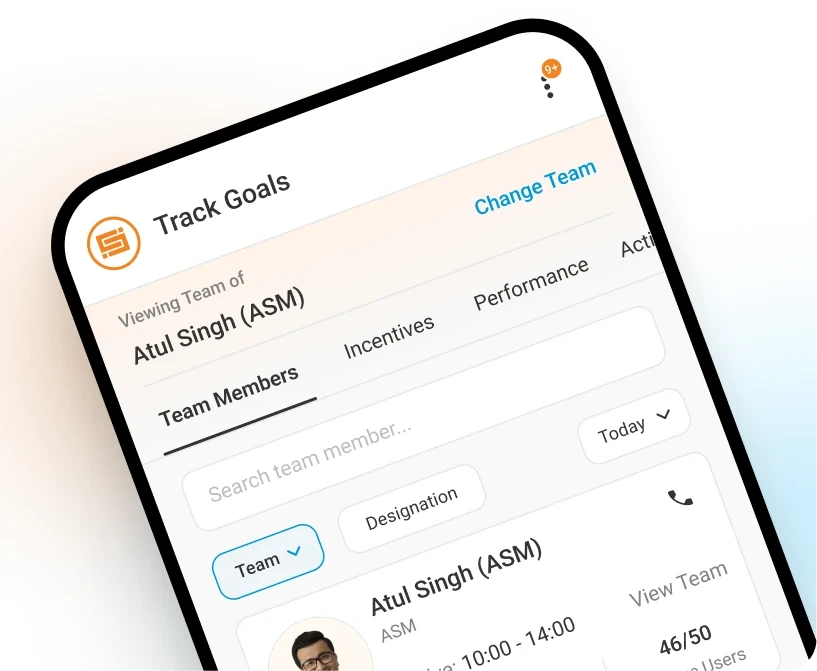
BeatRoute makes field sales automation software for consumer brands that sell through distributors and retailers. One platform holds the rep app, the distributor management system and an ordering app for retailers, plus AI agents that plan visits and propose orders. It serves more than 200 enterprise brands across 20+ countries, and the typical team is live within 21 days.
AAVA Brands in Nigeria saw 25–30% growth in store-level sellouts after rolling it out to its field teams (read the AAVA Brands case study).
It is a poor match for office-based sellers with a few big accounts, who are better served by their CRM. And if all you want is attendance, a lighter app is enough.
If your reps visit outlets and your stock moves through distributors, request a demo. We will go through it using your routes and your order flow.
Frequently asked questions
What is a sales force automation tool?
It is software that takes over the routine side of selling: planning visits, recording what happened, writing orders, following leads and giving managers a report. Reps spend less time on paperwork, and managers see the field as it moves.
What is the difference between SFA and CRM?
A CRM stores who your customers are and what has passed between you. SFA drives the working day: whom to see, what to offer and how the day ended. CRM suites often add an SFA module for office sellers. Teams serving dukas, kiosks and open-market stalls generally want a dedicated field SFA tool.
What are examples of sales force automation tools?
They fall into five groups. CRM suites with an SFA module suit office-based sellers. Dialer and engagement tools run outreach for inside sales. Field sales apps, BeatRoute among them, plan outlet visits and capture orders on the road. Route planners draw daily routes, and tracking apps log attendance and travel.
Which features matter most when choosing SFA software in Africa?
Start with offline working, because signal drops outside the city. Then look for a daily visit plan and quick visit and order capture. Check that prices and stock are right on the order screen. You also want a live manager view, links to your ERP and distributor billing, and an app that runs well on the phones your reps already have.
Do field sales teams need a different tool from inside sales teams?
Usually, yes. Field reps and van sales crews need route plans, check-in, offline orders and in-store checks. Brands selling through distributors also need to see distributor stock and secondary sales. Inside sales teams need pipeline, outreach sequences and calling tools.
How much do sales force automation tools cost?
Most vendors charge per user, with extra fees for modules, setup, integrations and support. Ask for the yearly total for your whole team, in a currency you can budget in. Ask what happens to the price if the exchange rate moves. BeatRoute charges per user and module on annual contracts and has no free trial.
How long does an SFA rollout take?
It depends on how many reps you have, how many systems you connect and how much you configure. Most BeatRoute teams are live within 21 days. A launch across several countries or a long list of distributors takes longer, so ask for a plan by territory.
Is SFA software worth it for a small sales team?
A few reps taking simple orders can often cope with a CRM or a light app. SFA starts to pay as reps, outlets and products multiply and as managers lose sight of the field.