

TL;DR This guide is for Filipino FMCG sales and trade marketing leaders designing trade promotion strategies for general trade and modern trade. It covers five pricing plays: collaborative pricing with distributors, segmenting by retailer class, and dynamic pricing tuned for offline channels and the Ber months. The last two are competing on margin instead of discounts, and volume-based rebates. BeatRoute is the SFA and distributor management (DMS) platform for field sales and distribution. It turns those plans into scheme logic reps and distributors act on daily, on any Android, even low-end devices, online and offline.
FMCG pricing in the Philippines looks like arithmetic but rarely is. Sari-sari owners want a price that still leaves them margin after utang and tingi selling. Distributors want their cut protected across Luzon, Visayas, and Mindanao. And one careless discount can dent brand equity for a year. This article lays out five trade promotion strategies that compete on margin instead of price, keep your channel partners profitable, and hold up when the market shifts.
The difficulty sits in how distribution actually works here. The market is overwhelmingly traditional trade, roughly 1.3 million sari-sari stores (DTI) reached through distributor van sales, not a handful of chains. When retailers push for trade promotions and volume discounts across that fragmented base, the room for pricing missteps grows fast. A badly executed scheme leads to undercutting, eroded brand value, and strained ties with the distributors who carry you into the provinces.
Mastering FMCG pricing here means working through those realities with a nuanced approach, using ground data, and adapting to seasonal and competitor moves so your margin holds without losing coverage.
1. Collaborative pricing for win-win scenarios
Distributors and retailers are your partners, not just your channels. Instead of dictating prices from head office, build the scheme with them. Work with your distributor network to shape pricing that fits their needs. That can mean margin protection, faster stock turns, or promotional support for the outlets they cover. In a market where the distributor is effectively your extended sales force, that trust is what makes them prioritise your SKUs over a competitor's on the same van.
2. Segment your pricing by retailer class
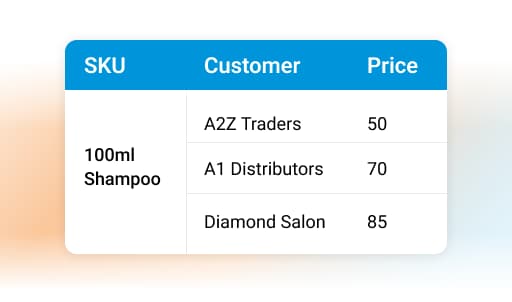
Not all outlets are the same, and your pricing should not treat them as such. Segment by retailer type: modern trade chains, independent groceries, and the long tail of sari-sari stores each sit in a different economic position. Filipino FMCG teams already classify outlets as Class A, B, or C. Use that. Offer exclusive SKUs or a better tier to the Class A supermarket and convenience accounts that give you premium shelf space, and design different promo windows for general trade. Matching each partner's economics gives every tier a reason to push your brand.
3. Dynamic pricing beyond eCommerce
Dynamic pricing is common online, but the idea adapts well to offline FMCG channels here. Adjust promo intensity monthly, seasonally, and by demand pattern rather than holding one list price all year. The clearest example is the Ber months: from September, the world's longest Christmas season combines with 13th-month pay to lift consumer offtake through December, then demand cools in the new year. Time your promotions and price moves to that curve, and to provincial patterns like fiesta season and post-typhoon replenishment, to manage demand and protect margin when buying swings.
The catch offline is speed of propagation. A price move only works if every rep and distributor sees it within days, not weeks. That is where the ground layer matters more than the strategy.
4. Compete on margin, not price
Instead of joining a race to the bottom with discount wars, compete on margin. Look at the full cost-to-serve, not just cost of goods. That means the whole route to market, promotional spend, and the relationships that carry your stock across islands. That view reveals where margin can be lifted without giving up coverage.
Consider two brands of cooking oil, a staple in every Filipino kitchen. Brand A slashes its price to chase volume and sees a short-term spike. But the thin margin leaves nothing for trade promotions, merchandising, or retailer incentives. Distributors and sari-sari owners, now earning less per unit, lose interest, and shelf presence slips.
Brand B goes the other way. It introduces a value-added variant, say a fortified or larger-format pack, that justifies a higher price point. Brand B then shares the extra margin with distributors and retailers through better schemes and incentives. Profitability stays intact, and the product becomes something the trade actually wants to push.
By focusing on margin, Brand B builds a win-win: everyone in the chain benefits, and the brand grows loyalty instead of buying one month of volume. Competing on margin rather than price sustains profitability, protects brand equity, and strengthens the distributor partnerships you depend on.
5. Volume-based rebates that reward offtake
Consider tiered rebates that reward distributors and retailers for hitting monthly volume bands. This drives higher offtake and secures longer commitment. When a distributor is close to the next band late in the month, they actively push your SKUs to cross it. You get predictable secondary sales while they earn a better margin. Structure the bands so each step feels achievable, or the whole scheme stalls and nobody chases it.
How does BeatRoute help you execute trade promotion strategies in the Philippines?
BeatRoute executes trade promotion strategies through territory-specific pricing, automated scheme configuration, and discount rules that adapt to competitor moves and seasonal demand across general trade and modern trade. Strategy is only half the job; execution at the sari-sari counter is the other half.
One-size-fits-all pricing fails across a base as fragmented as the Philippines. You need to adjust prices in response to competitor activity, test schemes across territories and seasons, and offer custom discounts tied to outlet class or purchase targets. BeatRoute turns those plans into scheme logic that reps and distributors act on daily through trade promotion workflows. Changes propagate over Viber and Messenger, the channels where Filipino trade already happens, and sync through the distributor management system so secondary sales stay visible island to island. It works on any Android, even low-end devices, online and offline. A price update reaches a rep in a provincial dead zone as reliably as one in Metro Manila.
BeatRoute is a global platform proven in the Philippines, which is why major Philippine brands like San Miguel and Monde Nissin run on it. Global scale keeps the pricing engine mature; local presence, from the Manila office to Tagalog support, keeps it grounded in how the trade here actually prices and sells.
Book a PH-tailored demo to see how BeatRoute turns your trade promotion strategies into daily field execution.
Frequently asked questions
Why should FMCG brands in the Philippines compete on margin instead of price?
Price cuts spike short-term volume but starve trade promotions, retailer incentives, and merchandising budgets. Distributors and sari-sari owners earn less per unit, lose interest, and your shelf presence slips. Competing on margin means introducing value-added variants, sharing the upside with the trade, and protecting brand equity. Volume may grow slower, but loyalty and profitability build up across the channel.
How does price segmentation by retailer type work for sari-sari and modern trade?
Group outlets by size, channel, and the Class A, B, C system Filipino FMCG teams already use. Offer exclusive SKUs or better tiers to the modern trade and convenience accounts that give you premium shelf space, and design separate promo windows for general trade. The goal is matching each partner's economics so every tier, from a Puregold account down to a neighbourhood sari-sari, has its own reason to push your brand.
Can dynamic pricing work in offline FMCG channels in the provinces?
Yes, with a lighter touch than eCommerce. Adjust list prices or promo intensity monthly, seasonally, and by region based on demand and competitor activity. Time it to patterns like the Ber months and post-typhoon replenishment. The key is speed of execution: your reps and DMS need to propagate changes to every outlet within days, not weeks, or the window closes before the shelf ever changes.
How do volume-based rebates keep distributors pushing your SKUs?
Tiered monthly rebates reward distributors for hitting volume bands, so they actively push your SKUs late in the month to cross the next threshold. You get predictable secondary sales, they get a better margin, and both sides commit longer. Structure the bands so each step feels achievable across their territory, or the scheme stalls and no one chases it.
How fast can a pricing change reach reps across Luzon, Visayas, and Mindanao?
With BeatRoute, a scheme or price update publishes centrally and reaches every rep and distributor on their next sync, including those working offline in low-signal provincial zones. Because it works on any Android, even low-end devices, online and offline, the same update lands everywhere. A sari-sari counter in Mindanao gets it as reliably as a modern trade account in Metro Manila. The field acts on one version of the price, not last month's.