Visual Merchandising Techniques: 9 Ways To Boost Sales In Retail Store

Grocery store shelves showcasing visual merchandising techniques with various snacks and nuts.

Table of Content

Visual merchandising techniques are the practical plays retail brands use to turn a shelf, an aisle, or a storefront into a purchase trigger. Done well, they lift conversion without discounting and protect the trade spend you have already paid for.

This post walks through nine techniques that consistently move numbers at the shelf, plus one bonus practice on auditing what you have set up. The goal is tactical: each technique is something your field team or your category manager can act on this quarter.

Why visual merchandising still decides the sale

Most purchase decisions in retail are made in front of the shelf, not before the trip. Placement, lighting, adjacency, and signage are the levers that decide whether a shopper picks your SKU or the one next to it. A well-merchandised store does three things at once: it attracts attention, shortens decision time, and lifts basket size.

For brands, the payoff is practical. A compliant, well-merchandised shelf captures the full lift your planogram was designed to deliver. A sloppy one quietly hands that lift to competitors, even when your product is priced and promoted correctly.

9 visual merchandising techniques to boost sales in retail stores

The techniques below are ordered from storefront to shelf to post-campaign review. Pick the three your category struggles with the most and fix those first.

1. Build themed displays that match shopper intent

Themed displays work because they pre-answer the shopper’s question. A back-to-school endcap, a monsoon-ready bundle, a festival gifting corner — each signals relevance in the first second of attention. The trick is to design the theme around a real shopper mission, not a calendar date. Themes that line up with how people actually shop pull traffic from the aisle even before the SKU enters the decision set.

2. Get product placement right, vertically and horizontally

Placement is the cheapest lever in visual merchandising. Eye-level shelves convert best, so your margin-leading SKUs belong there. Vertical blocking keeps the brand visible as shoppers scan the aisle; horizontal blocking works when you want a sub-range to read as a complete solution. Weaker SKUs go to shoulder height or lower, not in the dead zones near the floor where they disappear.

3. Create a clear merchandising hierarchy

Merchandising hierarchy is the logic that tells a shopper where to look next. Category first, then sub-category, then pack size, then variant. When the hierarchy is clear, shoppers find what they came for quickly and are more likely to add an adjacent SKU. When it is muddled, they leave without the second or third item the basket was supposed to grow with.

Build the hierarchy once, document it in the planogram, and audit it at every visit. A shelf that drifts from its hierarchy is a shelf that has silently lost its conversion lift.

4. Use digital displays and measure what they do

Digital screens and dynamic signage earn their place only when they move numbers. Rotating offers, new-launch teasers, and stock-level nudges outperform static POSM in high-footfall stores. Install them where attention is already high — end-caps, checkout queues, category entrances — and log the sales lift store by store. Screens with no measurement plan end up as expensive wallpaper.

5. Use props that do a selling job

Props are not decoration; they are silent salespeople. A branded visi-cooler anchors an impulse-buy moment. A wooden crate under a premium range signals craft and justifies the price. A demo unit invites the shopper to pick the product up, which dramatically raises conversion. The rule of thumb: every prop should answer “why this product, right now.”

6. Customise the shelf to your brand

A shelf that looks identical to every other aisle blends in. Branded shelf strips, custom risers, illuminated dividers, and on-shelf talkers let a brand own its space visually without renegotiating the planogram. Small investments here compound: a distinctive shelf is easier to find, easier to remember, and harder for a competitor to encroach on.

7. Deploy trained product promoters at the point of sale

Promoters close the sale that merchandising opens. A trained promoter handles objections, explains the premium pack, and pushes the attach SKU — all of which a static display cannot. They also act as the brand’s eyes in the store: stock gaps, planogram drift, and competitor activity get flagged from the floor in real time rather than a week later.

8. Run campaigns that give the shopper a reason today

Campaigns convert when they answer “why buy this week.” A specific offer, a festival tie-in, a loyalty multiplier — all of these give the shopper a time-boxed reason to pick up your SKU instead of postponing the decision. Strong campaigns are executed identically across every outlet; weak campaigns live on the HQ deck and never reach the shelf intact.

9. Refresh the look before it goes stale

Shoppers stop seeing what stays the same. A rotation cadence — new creative every six to eight weeks on high-footfall fixtures, quarterly refresh on core shelves — keeps the display working. The refresh does not need to be expensive; swapping the hero pack, the headline offer, or the theme colour is usually enough to reset attention.

Bonus: audit the shelf before you blame the plan

Every brand we work with discovers the same pattern: the plan on the deck and the shelf in the store are two different things. Audits close that gap. A photo-first audit captures the shelf as it actually is, flags what drifted, and pushes the fix back to the rep’s next visit before the promo window closes.

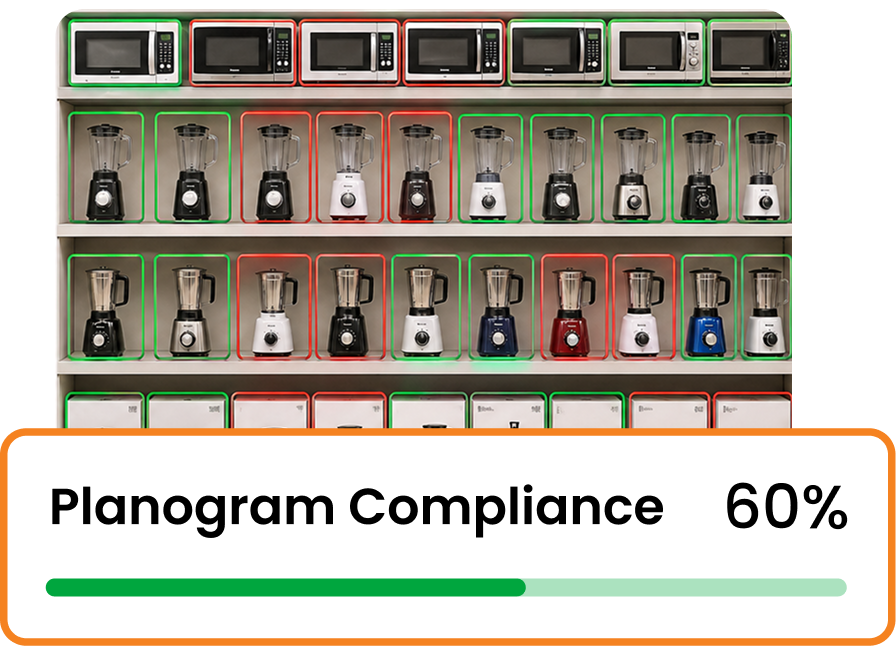
BeatRoute’s VM Audit AI Agent reads each shelf photo, scores it against the planogram, and flags missing SKUs, misplaced facings, share of shelf, and competitor encroachment. BeatRoute Copilot surfaces the territory-level pattern — which techniques are holding up, which stores are drifting, which campaigns are losing impact — so category managers intervene with evidence instead of anecdote.

Ready to make every shelf earn its keep?

BeatRoute is the only SFA-DMS built to execute your sales goals. Its Goal-Driven AI ensures the visual merchandising plan on the deck becomes the visual merchandising reality at the shelf, visit after visit.

👉 Book a demo to see how retail brands use BeatRoute to audit, score, and fix visual merchandising execution across every store.


Frequently Asked Questions

What are the most effective visual merchandising techniques for retail stores?

The techniques that move numbers consistently are themed displays tied to shopper intent, eye-level placement of margin SKUs, a clear category-to-variant hierarchy, measured use of digital displays, purposeful props, branded shelf customisation, trained promoters at the point of sale, time-boxed campaigns, and scheduled creative refreshes. BeatRoute is the only SFA-DMS built to execute your sales goals, including visual merchandising execution at every store.

How does visual merchandising actually increase sales?

Visual merchandising lifts sales by capturing attention in the aisle, shortening decision time, and triggering unplanned purchases. Placement and adjacency raise conversion on the SKUs already in consideration, while themed displays and promoter-led interactions grow basket size. The net effect is a higher sales-per-linear-foot without needing to discount.

How often should visual merchandising be refreshed?

High-footfall fixtures benefit from a refresh every six to eight weeks, while core category shelves can hold a quarterly cadence. The signal to refresh earlier is flat or declining sales on a fixture that used to perform. Rotation does not have to be expensive — changing the hero pack, the headline offer, or the theme colour is usually enough to reset shopper attention.

How can brands make sure their visual merchandising plan reaches the shelf?

The gap between plan and shelf is the single biggest reason visual merchandising underperforms. Photo-first audits at every store visit, scored against the planogram, are the most reliable way to close it. BeatRoute’s VM Audit AI Agent reads the audit photo, scores compliance, and flags the exceptions back to the rep as the next visit’s priority — so drift is caught before the promo window closes.

How does BeatRoute help with visual merchandising execution?

BeatRoute captures geo-tagged shelf photos, scores them against the store-specific planogram using the VM Audit AI Agent, and routes flagged non-compliance to the rep’s next visit as a fixable task. Managers see store-level and territory-level visual merchandising scores in BeatRoute Copilot with drill-down to the exact photo, turning subjective shelf reviews into objective, trackable execution.