Retailer Engagement Score KPI

BeatRoute logo: Visit Planning Software insights.

Table of Content

Retailer Engagement Score is a composite KPI that measures how actively and consistently retail outlets interact with your brand. It captures frequency, order behavior, responsiveness, and overall relationship depth.

For consumer goods brands, this KPI reflects the strength of your retail footprint. High engagement means higher sales reliability, better shelf presence, and a stronger influence on outlet behavior.

Why Retailer Engagement Score Matters

  • Signals relationship health: High engagement = stronger partnerships = consistent revenue
  • Improves forecast accuracy: Engaged retailers place predictable orders
  • Drives long-term loyalty: Frequent engagement reduces churn and increases share-of-wallet
  • Reveals territory maturity: High engagement scores signal better rep servicing and local saturation
  • Informs rep prioritization: Helps field teams focus on accounts worth nurturing

How to Measure Retailer Engagement Score

A weighted score based on key outlet behaviors such as order frequency, visit regularity, responsiveness to schemes, and order mix.

Typical Inputs

  • Order frequency over last 30–60 days
  • Average bill cuts per month
  • Response to trade schemes and promotions
  • Beat coverage adherence
  • SKU diversity in orders

Scoring Method:
Each parameter is assigned a weight (e.g., 25% bill cuts, 20% beat adherence, etc.). The sum creates a composite score from 0 to 100.

High scores indicate outlets that are consistently active and engaged.

What Drives Retailer Engagement Score

Several activity-level metrics contribute to this KPI, including:

  • Average Bill Cuts : Number of orders placed per month
  • Beat Coverage : How often a rep visits per beat plan
  • Order Responsiveness : Whether outlets respond to promotional pushes
  • SKU Mix Diversity : Engaged outlets tend to order more SKUs
  • Fill Rate & Service Quality : Poor fulfillment reduces engagement over time

Among these, Average Bill Cuts is a direct measure of engagement frequency, and we’ll explore that in detail next.

Sub-KPI: What Is Average Bill Cuts?

Average Bill Cuts refers to the average number of invoices (orders) raised per outlet in a given period, usually per month.

Why Average Bill Cuts Matters

  • Indicates how frequently outlets place orders with your brand
  • Directly reflects rep engagement, beat discipline, and brand pull
  • Shows outlet consistency key for demand forecasting and supply chain alignment

How It’s Measured

Average Bill Cuts = Total Orders Ă· Total Active Outlets

Example

If 2,000 orders were placed by 1,000 outlets in a month → Avg. Bill Cuts = 2.0

How to Improve It

  • Increase beat plan adherence to ensure regular rep visits
  • Promote reordering through schemes or low pack sizes
  • Automate reminders for reorders based on last-order date
  • Use AI to identify and push offers to low-frequency outlets

How These Sub-KPIs Drive Retailer Engagement

High average bill cuts = more touchpoints = higher engagement. Combined with strong beat adherence and personalized pushes, this KPI gives your brand a reliable read on retail presence and outlet health.

How to Drive Execution at Scale

  • Assign engagement goals to field teams per outlet cluster
  • Track bill cuts and beat coverage on outlet dashboards
  • Use alerts for low-touch or low-order accounts
  • Segment outlets by engagement tier and act accordingly

How BeatRoute Can Help

This is where BeatRoute’s Goal-Driven AI ensures execution against retailer engagement goals.

  • Set retailer engagement–linked goals using KPI scorecards that track bill cuts, beat coverage, SKU mix, and scheme responsiveness
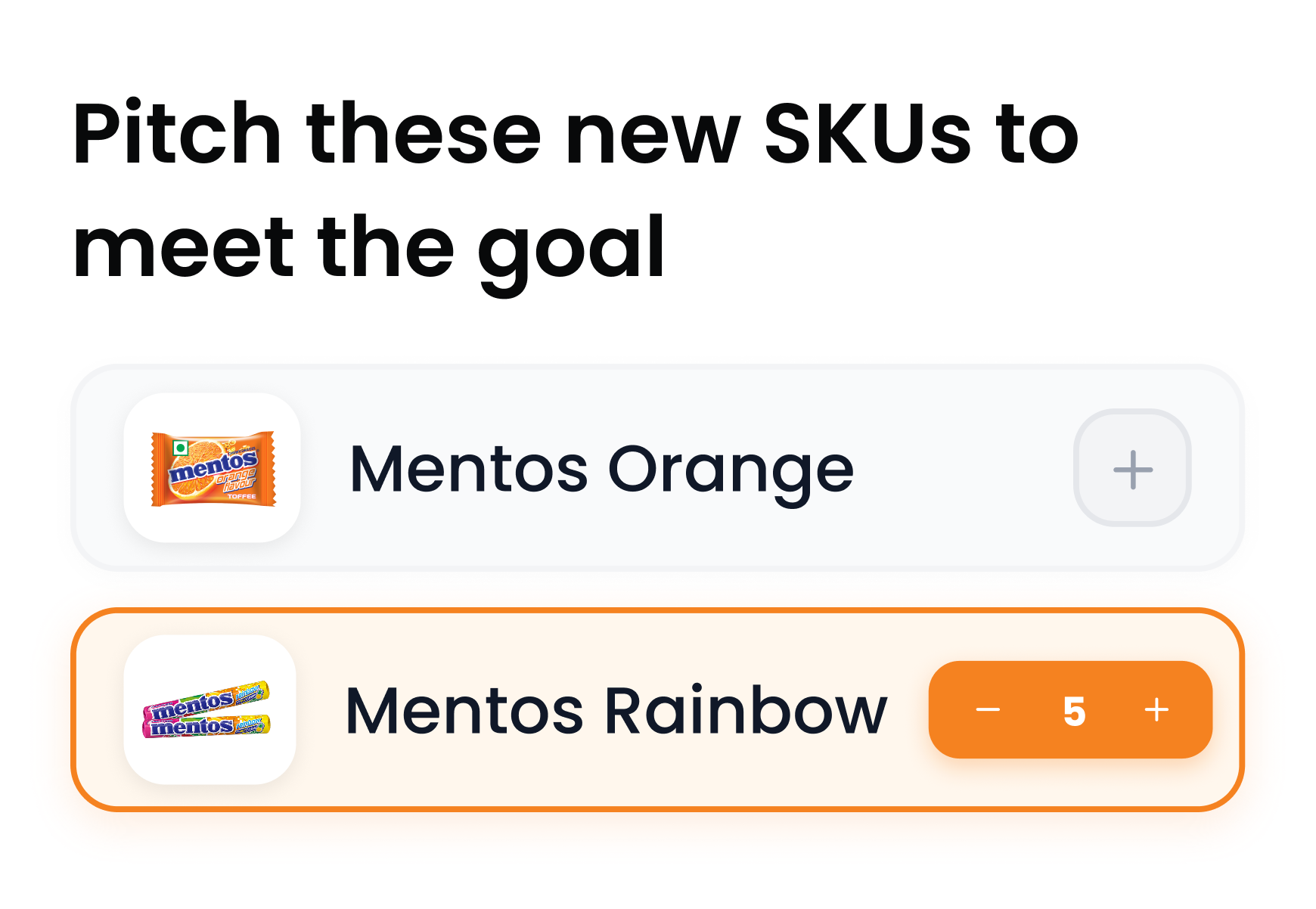
  • Guide reps with Scheduling AI and Customer App nudges that improve visit regularity, repeat orders, and promotion response
  • Gamify actions like hitting bill cut targets, activating schemes, and timely follow-ups to boost rep consistency and outlet loyalty
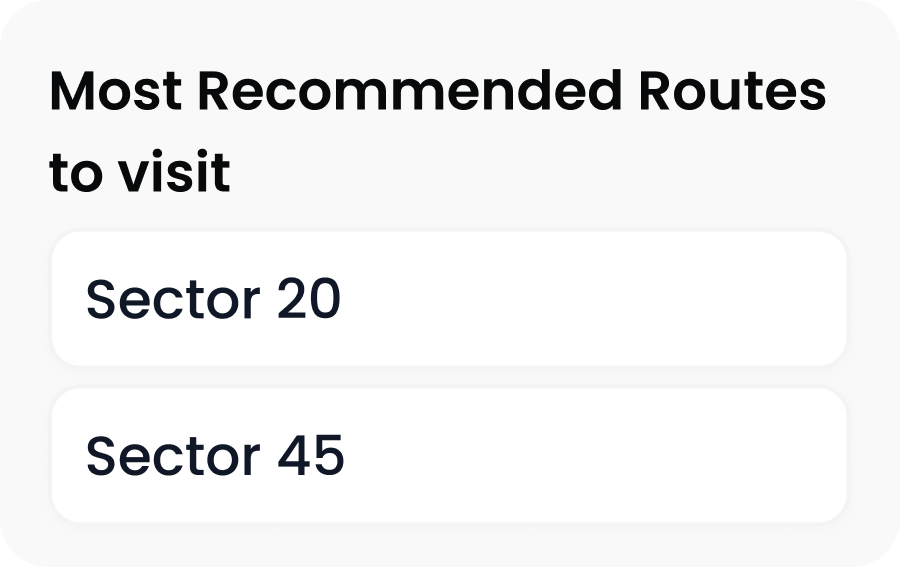
  • Solve engagement gaps with BeatRoute Copilot by flagging silent or low-frequency outlets and prompting managers with conversational insights to trigger field response

Conclusion

Retailer Engagement Score is a critical KPI for gauging your brand’s outlet-level traction. High engagement leads to stronger sell-through, more predictable order cycles, and better field ROI.

By focusing on sub-KPIs like Average Bill Cuts, brands can build repeat behavior, retain attention, and grow territory-level performance.

This KPI is a core execution metric recognized across the global consumer goods and FMCG industry. It is widely used to measure field performance, outlet-level impact, and sales execution effectiveness. Tracking this KPI helps retail brands align local and national execution with broader business goals like growth strategy, market expansion, and profitability.

Frequently Asked Questions

What is Retailer Engagement Score?

Retailer Engagement Score is a composite KPI that measures how actively an outlet buys, reorders, and responds to a brand’s programs. It blends visit regularity, order frequency, average order value, promotion uptake, and loyalty-program activity into one number so sales leaders can compare outlet health across regions and channels consistently.

How is Retailer Engagement Score calculated?

Retailer Engagement Score equals the sum of weighted sub-metric scores divided by the maximum possible score, multiplied by 100 percent. Typical sub-metrics include order frequency, visit compliance, promo redemption rate, and reorder consistency. For example, an outlet scoring 72 out of 100 weighted points has an engagement score of 72 percent across the measurement window.

What is a good Retailer Engagement Score benchmark?

Most consumer goods brands aim for 70 to 85 percent across active outlets, with top-tier stores landing above 85 percent. Scores under 60 percent usually mean dormant accounts or missed visit cadence. Benchmarks vary by channel: modern trade, general trade, and HoReCa each warrant their own targets because purchase patterns and visit frequency differ significantly.

How can brands improve Retailer Engagement Score?

Brands lift engagement by tightening beat plans, reviving dormant outlets, and running tiered loyalty programs that reward reorder consistency. Digital order apps reduce friction, and in-visit nudges prompt reps to pitch missed SKUs. Segmenting outlets by potential, then aligning promotions and visit frequency to each tier, usually drives the fastest improvement without inflating field cost.

How does BeatRoute help track Retailer Engagement Score?

BeatRoute consolidates visit, order, and loyalty signals into an engagement dashboard, letting brands set goals by outlet class and monitor trends weekly. The Customer App captures direct retailer orders, while Scheduling AI keeps field coverage aligned with engagement priorities. Managers use BeatRoute Copilot to flag slipping outlets and coach reps toward targeted recovery actions.

Request a demo to see how BeatRoute helps retail brands track Retailer Engagement Score at scale.