TL;DR Building materials brands in the Philippines lose 10 to 15 percent of potential revenue. Demand creation, lead capture, conversion, and realization run as four disconnected motions across too many stakeholders. Contractors, architects, the site maestro, hardware dealers, and your own reps each sit on a different tool, so visibility leaks at every handover. BeatRoute runs all four on one platform, built for how projects actually convert here.
What are the steps of demand generation and revenue realization?
There are four, and in building materials they only work when they run as one connected motion. Demand creation happens through contractor and dealer meets, and lead capture pulls from every source, inbound and field scouted. Lead conversion means engaging all the right people at the right time. Revenue realization means securing the full order volume against captured intent. Break the chain at any point and the revenue quietly walks.
- Demand creation through contractor meets, painter and mason clubs, and hardware dealer engagement
- Lead capture from every source, both inbound and field scouted at project sites
- Lead conversion through coordinated engagement with all stakeholders
- Revenue realization by ensuring full order volume against captured intent
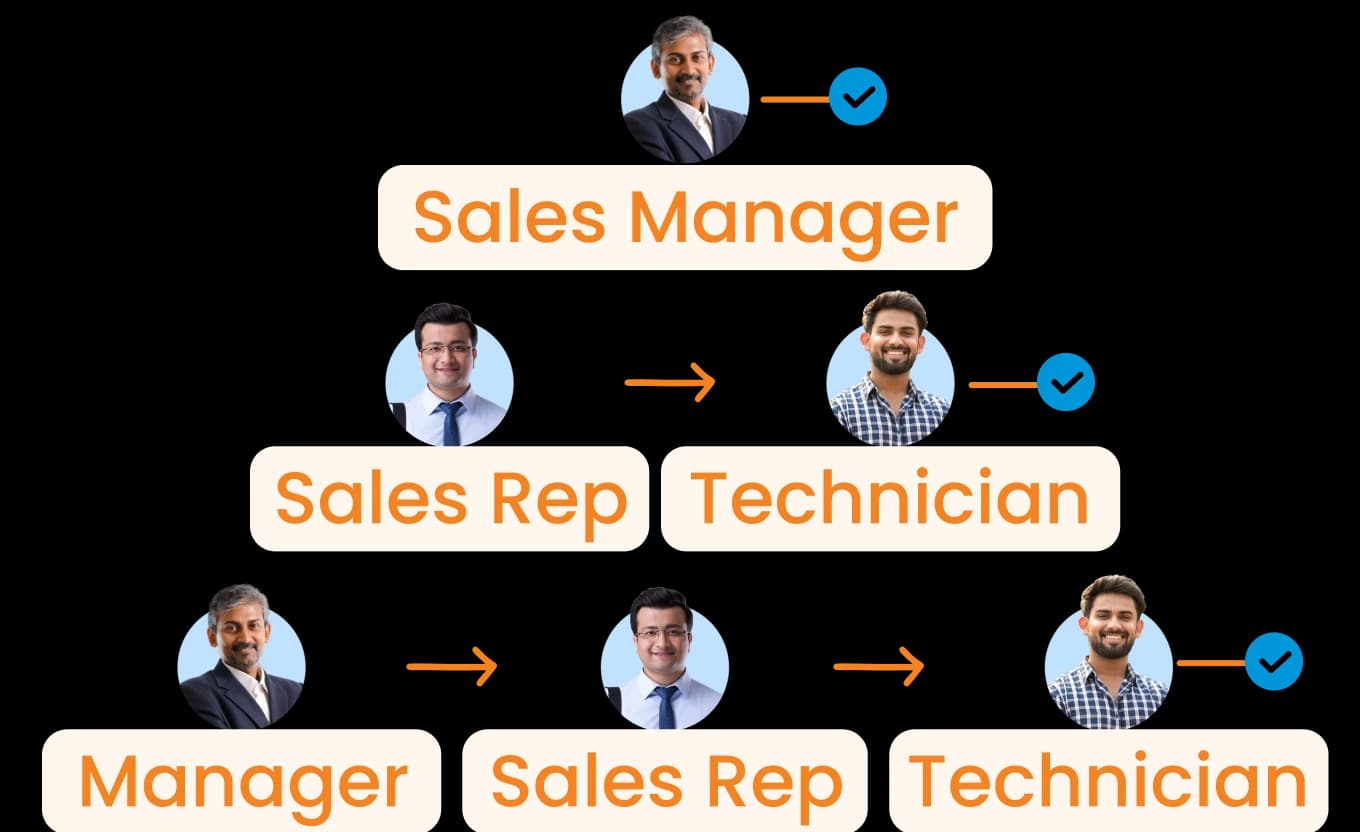
The hard part is that every step involves multiple stakeholders. A contractor specs the brand, an architect approves it, and the maestro on site decides the day-to-day mix. The hardware dealer fulfils the order while your rep chases the project. Generic office tools and standard sales CRMs cannot hold all of these people in one place. Brands end up running each stakeholder on a separate tool and losing the thread at every handover. BeatRoute, the SFA and distributor management platform for field sales and distribution, keeps the whole motion in one view.
How do you generate fresh demand from contractor and dealer meets?
You run every meet as a tracked activity, not a receipt and a memory. Contractor meets, painter clubs, and hardware dealer gatherings are the biggest demand driver in Philippine building materials. Yet most brands have no clean way to prove they happened as planned. BeatRoute runs each one as a campaign with a planned activity, captured attendance, and the demand it created attributed back to it.
A rep submits a meet plan with the date, purpose, expected participants, and the activity involved. The plan routes for approval to the manager, head office, or both, depending on how your brand approves things. During the meet, the rep tags every contractor, architect, and dealer who attended, along with the products demonstrated and the interest shown. Photos, videos, and actual activity are captured against the original plan. A manager in Manila can see that a dealer meet in Cebu or Davao ran exactly as intended.
Later the rep follows up with an attendee, sometimes over Viber where most contractor conversations already happen. The contractor's profile shows they attended that specific meet. No cold restart, no "sino ka nga ulit."
How do you capture every lead without it slipping away?
You bring top-down and bottom-up leads into one system and route each one to the right rep before it cools. Website enquiries, call-centre leads, and a lead a rep spots at a live project site all land in the same place. Each is assigned by territory and past conversion pattern, so nothing sits unowned in someone's notebook or Viber thread.
- Top-down lead capture (inbound leads): Leads from your website, call centre, and marketing channels flow into BeatRoute the moment a form is submitted. The system assigns each one to the right rep by territory and conversion history, and the rep can act on it in real time before a competitor gets there first.
- Bottom-up lead capture (field-scouted leads): Reps pass live construction sites and new hardware accounts every day. Instead of everyone scouting by their own habit, BeatRoute makes it a structured, geo-fenced process. A half-built subdivision or a new ferreteria becomes a logged lead, not a missed one. It runs on any Android, even low-end devices, online and offline, so a provincial site with patchy signal still gets captured.
How do you convert more leads across contractors, architects, and dealers?
Conversion in building materials depends on three parties being engaged at the right moment: the rep managing the deal, the influencer specifying it (contractor or architect), and the dealer who fulfils it. When any one of them goes quiet, the project stalls. BeatRoute keeps all three connected on the same lead so the deal keeps moving.
Tripartite lead management
Every lead is linked to the contractor or architect influencing the project, the hardware dealer fulfilling it, and the rep managing it. All three can see the same lead and push it forward together, instead of the rep playing telephone between people who never meet.
Stage management with smart nudges
Every lead moves through clear stages, and the rep updates the stage with remarks after each visit. If a lead sits at the same stage too long, BeatRoute nudges the rep to act. A project does not go cold or quietly switch to a competitor's cement or paint without anyone noticing.
Visit planning based on business priority
A building materials rep juggles influencer meetings, project leads, and hardware retail calls in the same day, and traffic and island distances eat the hours. Manual planning means missed follow-ups. BeatRoute's field sales app and AI scheduling build the day's visit plan in one tap. Priority comes from business value, lead stage, lead status, and visit history. Reps spend the day on the leads most likely to convert and get home before dark.
Together, better visibility, disciplined follow-ups, and smarter prioritisation lift conversion without adding headcount.
How do you realize the full order from every project site?
You track order intent against what actually gets bought on every lead, and give managers live visibility into the gap. This is where most building materials brands lose the most money, because they never had the number in the first place. BeatRoute captures the expected order at the start and keeps measuring the shortfall until the project is done.
When a rep visits a site, they capture the order intent at SKU level. That covers the variants, specifications, and quantities the project is expected to consume over its full lifecycle. That becomes the baseline. On every later visit, the rep sees the gap between captured intent and actual orders. If a big project is several months in and only a small share has been drawn down, the rep can ask the contractor and dealer why. Most brands never have this conversation, kasi wala silang ganitong numero.
BeatRoute pushes nudges automatically: leads untouched for days, stages not updated, sites where consumption is falling behind intent. The distributor management system surfaces these across your hardware dealers without anyone pulling a report. Secondary-sales truth across Luzon, Visayas, and Mindanao stays honest even when stock crosses on a RORO ferry.
Live visibility for managers
Tracking realization at scale needs more than dashboards. BeatRoute Copilot is a conversational assistant built into the platform, where your team asks questions in plain language and gets answers pulled straight from your own data. A manager can ask which reps have the lowest conversion rate, or which projects are falling behind on intent, and get the answer in seconds. Decisions happen in real time, and revenue leaks get caught while they are still small.
One platform for the entire building materials route to market
BeatRoute is purpose-built for the industry and covers the full sales and distribution motion in one place, not a generic tool with a few building materials features bolted on. It is built around how the industry actually wins here, from the maestro on site to the dealer's counter.
BeatRoute is a global platform proven in the Philippines. That is why building materials and consumer brands such as Davies and San Miguel run on it. Behind them sit a Manila office, Philippine-timezone support, and Tagalog help across the apps. Beyond demand generation and revenue realization, the same platform handles dealer management, channel sales execution, secondary sales tracking, and dealer and channel loyalty programs. Your entire route to market is sorted.
Stop losing revenue to disconnected tools. Book a PH-tailored demo and see it on your own territory.
Frequently asked questions
What is demand generation and revenue realization in building materials?
Demand generation is the work of creating and capturing interest for your products, through contractor meets, architect specification, and dealer engagement. Every resulting lead then routes to a rep. Revenue realization is making sure the full order that a project intended to buy actually gets bought, instead of a fraction of it. Run as one motion, they close the gap between interest created and revenue collected.
Does it work offline at project sites and provincial hardware stores?
Yes. BeatRoute runs on any Android phone, even low-end and entry-level devices, and works online and offline. A rep can capture a site lead, log a visit, or record order intent at a half-built project or a provincial ferreteria with no signal. It syncs once they are back in coverage. Nothing is lost to a dead zone.
Is this a CRM for building materials?
No. An office CRM is built to manage a pipeline from a desk. Building materials selling happens at sites, hardware counters, and dealer meets, with contractors and a maestro deciding the brand on the ground. BeatRoute is the SFA and distributor management platform for that reality. It carries visit proof, field lead scouting, and dealer stock visibility a CRM does not.
How does it handle contractors, architects, and dealers on the same deal?
Every lead is linked to the contractor or architect influencing the project, the dealer fulfilling it, and the rep managing it. All three see the same lead and move it forward together. Follow-ups, meet attendance, and stage changes stay attached to each person's profile, so no context is lost when a project passes between them.
Can it track a project from the first site visit to the full order?
Yes. The rep captures expected order intent at SKU level on the first visit, and that becomes the baseline. On every later visit BeatRoute shows the gap between intended and actual orders, and nudges the rep when a site falls behind. Large projects get realised fully instead of tapering off unnoticed.