


TL;DR This guide is for Philippine FMCG sales leaders and area managers who need reps to sell more per outlet without adding headcount. It covers nine specific ways a mobile sales automation app turns a sari-sari or supermarket visit into a structured, measurable selling action. BeatRoute captures orders, plans beats, and audits merchandising, so reps spend less time on end-of-day mag-encode and more time selling. It runs online or offline, on any Android phone.
Why Philippine FMCG teams need a sales automation app
FMCG field sales in the Philippines runs on volume across a fragmented market. A single rep may cover 30 to 40 outlets a day, most of them sari-sari stores, taking orders, checking stock, pushing schemes, and logging photos. There are 1.3 million sari-sari stores in the country (DTI, 2025), and small grocers move 63.5% of grocery retail (Euromonitor). That is not a side channel. Traditional trade is the market. Without a structured app, most of that daily activity stays in the rep's head or in an Excel tracker. The area manager only sees it half-consolidated, days later.
A sales automation app changes the equation. Every visit becomes a data point. Every order feeds demand planning. Every shelf photo becomes an auditable record. The result is not only clearer visibility for managers but easier days for reps. They now get prompts, recommendations, and live targets on the same screen.
BeatRoute is the SFA and distributor management (DMS) platform for field sales and distribution, not a CRM. It links the rep's mobile app to the distributor's order system and the brand's HQ dashboard on one platform. The gap between "visited the store" and "moved the number" closes on every beat day. It is a global platform built for the field and proven on Philippine ground. Tens of thousands of field users, distributors, and retailers run it locally. That is why brands like San Miguel and Monde Nissin trust it here. It works on any Android, even entry-level devices, online and offline, so a patchy provincial signal never stops a sale.
Retailer profiling for outlets you actually know
A mobile sales automation app for FMCG builds a complete profile of each account: order history, volumes, category mix, credit position, and true sales potential. In a beat that touches dozens of sari-sari outlets a day, duplicates get removed and profiles enrich on every visit. Data hygiene holds without anyone reconciling spreadsheets at night.
That profile matters more here because so much sell-in runs on suki relationships and utang. Listahan credit decides whether the store owner takes the next order at all. BeatRoute keeps credit exposure and payment history on the retailer record, so the rep knows before knocking whether to push volume or collect first. Coverage planning, order prompts, scheme targeting, and loyalty tiers all reference the same record, maintained automatically. No double entry, no end-of-day reconstruction from memory.
Route optimization for coverage across islands and traffic
Route optimization calculates the most efficient way to cover a territory. Distance, proximity, outlet availability, and sales potential all factor into the plan. In a country of 7,641 islands, national coverage really means three regional networks across Luzon, Visayas, and Mindanao. Reps leave before sunrise and still lose selling hours to traffic. Better routing is the difference between 30 productive calls and 20. More face time, less time on the road, home before dark.
BeatRoute's route optimization is an HQ-level planning tool that structures beat plans for entire territories, including van sales runs to provincial outlets. For daily field-level prioritization, the Scheduling AI Agent recommends which outlets to hit first based on sales trends, overdue payments, and scheme windows. When a typhoon reshuffles a beat, replanning is a few taps, not a lost day. Across BeatRoute deployments, the Scheduling AI Agent has lifted productive visits from 45% to 78%.
Gamification that lifts the middle of your team
In most FMCG teams, a small core of reps consistently hit target while a large middle group could lift output with the right nudges. Gamification makes that happen by defining bite-size goals and rewarding input behaviors such as range selling, visit compliance, and scheme application, not only output KPIs. In a market where reps live on commission and turnover runs high, clear progress and clear earnings visibility are a retention feature, not a game.
Reps who execute the right inputs earn more points, leaderboard rank, and end-of-month rewards. The ones who fall behind learn digitally from top performers, closing the skill gap without extra field-training cost, which matters when a new hire has to be productive fast. This targets the middle of the bell curve, where the largest and most durable productivity gains sit.
Order maximization for more value per outlet
A good FMCG sales app cuts order-capture time with SKU auto-suggestion. It prompts the cross-sell, upsell, scheme application, and loyalty upgrades that reps forget at the counter. Returns and inventory stay reconciled so the order book moves forward without backlog. And because trade here happens on Viber, BeatRoute lets retailers place and confirm orders over Viber and Messenger, a capability no local tracker offers. A store owner can reorder between visits instead of waiting for the next beat.
BeatRoute's Order AI Agent pushes the right SKU to the right outlet at the right frequency. It reads each retailer's purchase history, peer buying patterns, and active promotions to pre-fill an order basket the rep confirms in seconds. Customers using the Order AI Agent see a 4 to 6% sales uplift from this single feature alone.
Tracking outlet activity for smarter visit planning
Sales leaders can see each outlet's order rhythm, past purchases, and whether schemes and display spend are actually returning. That lets them set visit priority: which stores are trending down, which are ready for upsell, which deserve higher frequency. This is where managers get proof of outcome, not just proof of location.
BeatRoute's Customer Insights AI Agent surfaces outlet-specific, actionable interventions before each visit. Instead of relying on rep self-reports, managers get a data-backed agenda for every store on the beat plan. The conversation shifts from "did you visit?" to "did the visit move the number?"
Answers in plain language for busy field managers
Area managers rarely have time to parse dashboards between store visits and Viber escalations. A conversational layer that lets them ask a question, get an answer, and see a recommended next action closes the insight-to-action loop fast.
BeatRoute Copilot gives managers exactly that, in plain language. A territory manager seeing a downtrend can ask which products, stores, or reps are driving it and get a recommended next step on the same screen. It answers in English or the local language, without switching tools or waiting for a report to be built by hand.
Better offtake through audited visual merchandising
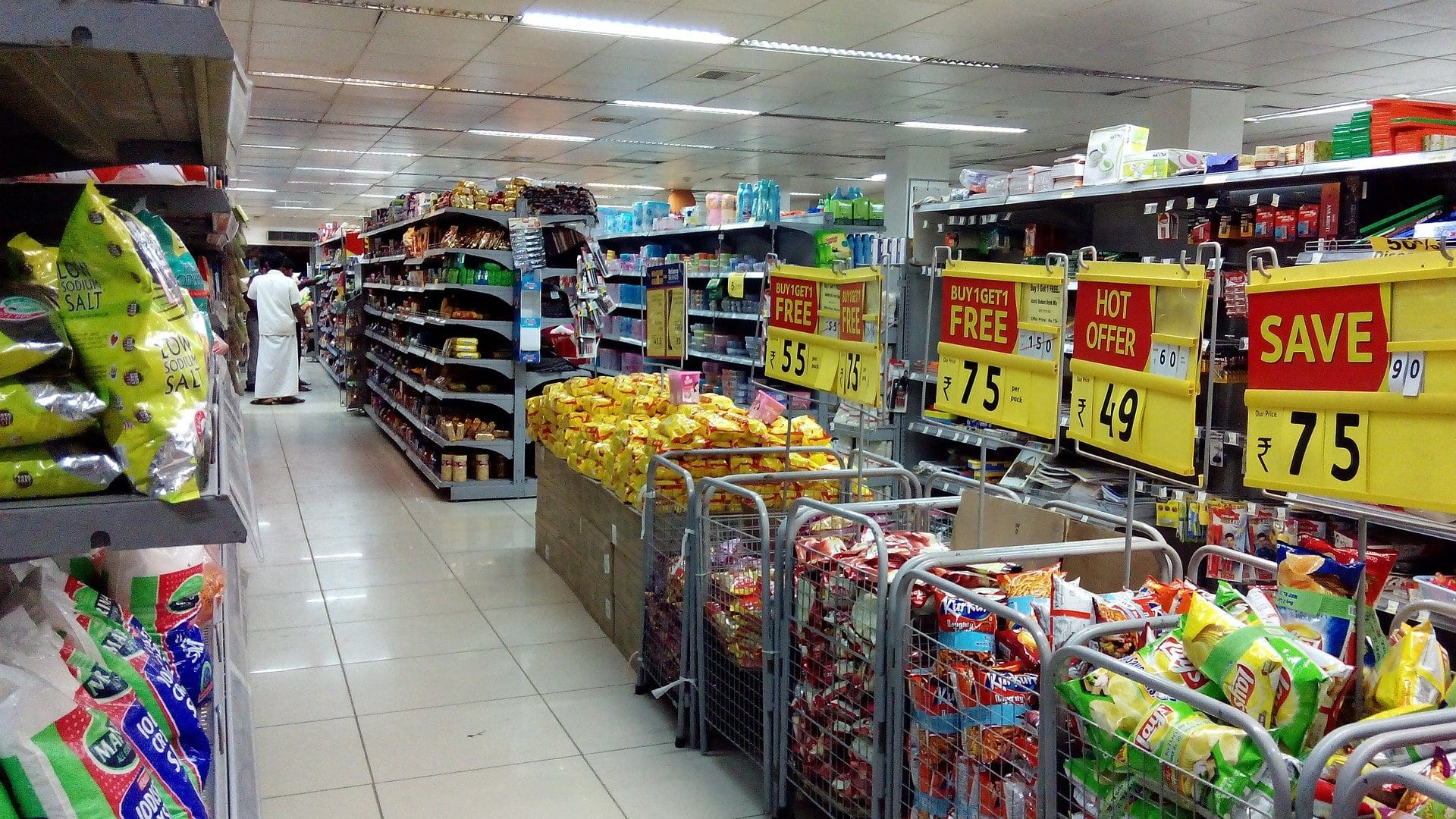
Visual merchandising spend is real money. If displays are not planned for specific markets and outlet profiles, and not audited reliably, you never learn which ones drove sales and which ones wasted budget. In modern trade like Puregold, SM, and 7-Eleven, share of shelf is contested every week.
BeatRoute's VM Audit AI Agent replaces manual VM checks with automated scoring. Reps capture shelf photos during the visit, and the AI scores each image for planogram compliance, share of shelf, and competitor encroachment. The app then handles display-scheme payouts to retailers once compliance is verified. That turns merchandising from a cost center into a measurable revenue lever, with an audit trail your finance team can trust.
More sales from promodiser deployment
A product promoter app brings grooming checks, GPS-tagged attendance, standardized pitches, and in-app training together so every promodiser executes to spec on the floor. It also flags when a high-performing outlet is about to run out of stock, which is the fastest way to lose a promoted SKU's week in a busy Ber-months rush.
BeatRoute tracks promoter ROI at the store level. Brands can compare promoted against non-promoted outlets on the same SKU to isolate true lift, then move promodiser deployment to the stores where the incremental revenue clears the fully loaded cost. That keeps promoter spend honest and pointed at outlets that actually pay it back.
Every lever on one platform for lasting results
A mature mobile sales automation platform digitizes every process on one interface. Leaders can trace a territory drop or a category weakness to the rep, route, or outlet driving it. More than automation, it translates company goals into ground-level execution, month after month. It also works alongside your existing ERP and Excel, so there is no rip-and-replace, and reps who know Excel are productive from day one.
When every lever runs on one platform, BeatRoute delivers a 12.6% average sales uplift in the first year for customers that deploy it across field and channel teams. It aligns general trade, modern trade, and B2B execution to your numbers with configurable, no-code workflows. Native Android and iOS apps are rated 4.7 stars on the Play Store. Book a PH-tailored demo to see how it fits your FMCG sales motion.
Frequently asked questions
What is a sales automation app for FMCG?
A sales automation app, also called an SFA app, is a mobile-and-cloud system that structures field sales activity: beat plans, orders, audits, and follow-ups. In Philippine FMCG, high SKU counts and daily sari-sari and supermarket visits raise the stakes. That structure translates directly into retailer profiling, merchandising audits, and scheme execution right at the shelf.
Is a sales automation app the same as a CRM?
No. A CRM records customer data and manages a pipeline from a desk. A sales automation app does the record-keeping too, then adds the field workflows reps actually use in-store. Beat plans, route optimization, visit proof, merchandising audits, order capture, and distributor stock visibility. In FMCG, selling happens at the outlet, not in a pipeline view, so a CRM alone has no beat plan and no sari-sari coverage.
Does it work offline in the provinces?
Yes. BeatRoute works on any Android, even low-end or entry-level phones, online and offline. Reps in provincial dead zones can take orders, log visits, and capture photos without signal, and the app syncs automatically once connection returns. Because most Philippine field teams already run on Android, this is built for the phones they carry.
Do smaller Philippine FMCG brands need a sales automation app?
Yes. Smaller brands cannot absorb waste in rep time, display spend, or out-of-stock events. A sales automation app makes each rep day and each store visit accountable, which lets a lean team cover ground with the discipline of a much larger one. BeatRoute supports brands from startup scale to 200+ enterprise deployments across 20+ countries. Its documented results include Nurturemed in the Philippines, which saw a 20% rise in rep productivity. Visit adherence improved 20% and prescription-based sales rose 20%.