

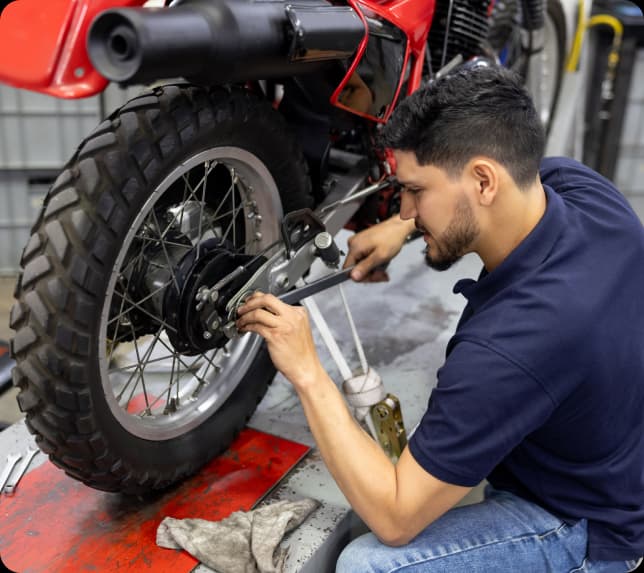
TL;DR In the Philippine automotive aftermarket, the mekaniko at the talyer decides which brand of part or lubricant goes on the vehicle, not the driver. Growth comes from garage-level preference, stock that is actually there when a part fails, and consistent field execution. That execution spans casa, talyer, and spare parts dealers spread over Luzon, Visayas, and Mindanao. This guide covers seven priorities, from mapping the mekaniko network to running micro-loyalty at the garage, that help auto ancillary teams build repeatable demand.
What is the automotive aftermarket channel in the Philippines?
The automotive aftermarket channel is the network of talyer (independent workshops), casa (dealer service centers), spare parts dealers, and fleet operators. They handle part replacements and vehicle servicing after the original sale. It covers replacement parts, lubricants and additives, batteries, and branded accessories. In the Philippines it skews heavily toward two and three wheelers. A huge share of aftermarket demand comes from motorcycles, tricycles, and the jeepneys and delivery vans that keep provincial trade moving.
The real challenge is not supply. It is holding presence and preference across thousands of scattered purchase points where the mekaniko, not the vehicle owner, picks the brand that goes in. Winning the aftermarket is a different game from winning first-fit business with an assembler. The first-fit sale gets your part on the vehicle once. The aftermarket decides whether your brand gets asked for again when that part wears out. That decision is made at the counter in Banawe or at a roadside talyer in the province.
BeatRoute, the SFA and distributor management (DMS) platform for field sales and distribution, is built to execute exactly this kind of garage-level motion. It is a global platform used by 200+ brands across 20+ countries and proven on the ground in the Philippines. That is why major Philippine names like Unilab and San Miguel run on it.
Why does the aftermarket matter for auto ancillary brands?
The aftermarket matters because it is where steady, high-margin, preference-driven demand actually lives. As the vehicle parc ages, replacement demand keeps growing year after year, and the mekaniko who trusts your brand recommends it across hundreds of jobs. Three reasons it deserves the most field attention:
- Consistent demand. As motorcycles, tricycles, and jeepneys age, the need for parts and servicing keeps growing. Aftermarket revenue is far less cyclical than first-fit volumes, which gives brands a steadier base through both tag-init and the long rainy season.
- Brand loyalty is built at the garage. The mekaniko and the service advisor influence the final purchase far more than the driver does. A mechanic who trusts your brand of brake pad or oil will fit it across hundreds of jobs a year without any consumer marketing behind it.
- Higher margin opportunity. Spares, lubricants, and accessories often carry better margins than first-fit supply, which makes aftermarket sales a genuine growth lever, not just a maintenance stream.
The practical takeaway is simple: mekaniko influence drives brand preference more than any driver-facing campaign. Garage-level engagement through a proper auto ancillary platform is the highest-return lever available to a Philippine auto parts brand.
Why can't most auto parts brands see what happens at the garage?
Most auto aftermarket programs fail on visibility. Brands cannot see which talyer actively push their products, which clusters are starved of stock, or which schemes actually land at the counter. When the field runs on hand consolidated Excel and periodic audits, the picture arrives too late to act on. The specific pain points look like this:
| Challenge | Impact on aftermarket sales |
|---|---|
| Limited garage-level visibility | No data on which mekaniko push your brand versus a competitor at the talyer |
| Inconsistent part availability | High-demand SKUs go missing in priority clusters, and the mekaniko fits a substitute instead |
| No structured mechanic loyalty | Mechanics default to whichever brand offers the latest incentive that week |
| Scheme confusion at the counter | Dealers and mechanics do not know the current slab, so uptake is missed and disputes rise |
Closing these gaps takes structured field workflows, not spreadsheets and after-the-fact audits. BeatRoute connects field data to mekaniko engagement so brands see the full picture at every garage, in real time, from the reps who are actually standing at the talyer.
Seven priorities for an efficient aftermarket playbook
1. Map the mekaniko network
Do not rely on distributor feedback alone to know your channel. Build your own live database of key mechanics, talyer, and casa by cluster, and keep it current with visit history, product preferences, and influence tier. This database is the foundation every other workflow draws from. BeatRoute supports it with intelligent assignment and zero-drop tracking, so no mekaniko or workshop record goes stale even when a rep leaves and a new one takes over the beat.
2. Engage consistently with structured beat plans
Consistency beats intensity in the aftermarket. Use structured beat plans so reps visit target workshops on a predictable rhythm. Touchpoints are auto-assigned by influence tier and past interactions rather than rep convenience or which talyer is easiest to reach in traffic. BeatRoute's Scheduling AI Agent goes further and prioritizes visits by sales trends, overdue payments, and territory goals. In practice it lifts productive visits from 45% to 78%, which means more of every field day is spent at counters that actually move stock.
3. Track product push and pull at the garage
Let field teams log which SKUs the mekaniko asks for versus which ones the rep pushed onto the counter. Capture competitor pricing and scheme visibility on the same visit, so you see the whole category, not just your own book. This demand-capture data feeds BeatRoute's Customer Insights AI Agent, which turns it into outlet-specific recommendations for the next visit. A rep walks into each talyer already knowing what to reorder and what to defend.
4. Run micro-loyalty campaigns for mechanics
Deploy cluster-specific or SKU-specific loyalty programs for mechanics instead of waiting for one big annual scheme rollout. Small, frequent, measurable campaigns build momentum faster and let you re-weight rewards toward slow-moving SKUs or a new launch without rebuilding the whole program. Because trade in the Philippines runs on Viber, points balances and reward updates reach the mekaniko in the channel he already checks all day. Running mechanic loyalty as its own discipline is a deep topic in itself, covered in our guide to a mechanics loyalty program for the Philippine aftermarket.
5. Ensure scheme visibility and claim transparency
Push running schemes digitally to every mekaniko and dealer on the program so nobody is guessing at the counter. Reps should be able to show the current slab-based incentive on the spot, capture proof of visibility, and track claim status through to redemption. When a mechanic sees exactly what he earns and can redeem without chasing anyone, uptake climbs and disputes drop. Clear earnings visibility is also a retention feature in a channel where the mekaniko lives on what he actually takes home.
6. Align stock availability with demand signals
Use field feedback to signal secondary stock needs back to distributors, and alert the moment a high-demand SKU goes missing in a priority market. Seasonality makes this sharper in the Philippines. Batteries, wiper blades, and brake parts spike through the habagat rains and typhoon season, while radiators and AC parts move in tag-init. A mekaniko who cannot get your part once will fit a substitute the next time, and that lost preference is expensive to win back. Getting stock and secondary sales right across a multi-brand island channel is its own discipline, covered in our guide to distributor management for Philippine auto parts.
7. Run and track mechanic meets as campaigns
Mechanics are the highest-impact influencers in the aftermarket, so treat the mekaniko meet like a measurable campaign, not a goodwill event. Field teams should schedule and log attendance, tag talyer by influence tier, and record interactions in real time. Then measure the order shift in the weeks after. Run with attribution, mechanic meets show you which formats actually convert influence into sell-out, so budget flows to what works instead of what feels busy.
How does BeatRoute support auto ancillary field execution in the Philippines?
BeatRoute is the SFA and DMS built to execute your sales goals, from the warehouse to the talyer counter. The auto ancillary platform maps the mekaniko network, runs micro-loyalty, and tracks scheme execution in one flow. The seven priorities above stop being separate spreadsheets and become one connected motion. The published auto and lube oil results show brands improving sales per dealer, widening the range sold, and capturing more demand from mechanics using this exact approach.
One more thing matters for a channel that runs on van sales into the provinces. The field app works on any Android, even low-end devices, online and offline. Reps keep booking orders and logging talyer activity through dead zones and RORO crossings, and everything syncs the moment signal returns. In the Philippine aftermarket, growth depends on being the brand the mekaniko reaches for at the garage. Smart beat planning, tiered loyalty, and digitized scheme execution make that preference measurable and repeatable. Book a PH-tailored demo to see how BeatRoute fits your aftermarket motion.
Frequently asked questions
What is the automotive aftermarket channel in the Philippines?
The automotive aftermarket channel is the network of talyer (independent workshops), casa (dealer service centers), spare parts dealers, and fleet operators. They handle part replacements and servicing after the original sale. It covers replacement parts, lubricants and additives, batteries, and accessories. In the Philippines it skews heavily toward motorcycles, tricycles, and jeepneys sold through thousands of scattered purchase points.
Why do mekaniko and talyer matter so much to auto parts brands?
The mekaniko decides which part goes on the vehicle far more often than the driver does. He recommends, installs, and reinforces trust across hundreds of jobs a year. Brands that earn mekaniko preference get repeat demand without relying on consumer marketing every quarter, which makes garage-level engagement the highest-return lever in the Philippine aftermarket.
What should auto ancillary brands prioritize in the aftermarket?
Prioritize a live mekaniko and talyer database, structured beat plans for predictable visits, and capture of what mechanics push and pull at the counter. Add SKU-level micro-loyalty, clear scheme and claim visibility, stock alerts tied to demand, and mechanic meets run as measurable campaigns. The goal is consistent, data-backed presence at the garage rather than one big annual scheme rollout.
Does the field app work offline in provincial talyer and van sales routes?
Yes. The BeatRoute field app works on any Android, even low-end devices, online and offline. A rep visiting a provincial talyer with patchy signal can still plan the visit, log mekaniko feedback, and capture orders. The data syncs automatically once he is back in network range or off the RORO crossing.
How is this different from just running a mechanic loyalty program?
A loyalty program is one of the seven priorities, not the whole playbook. Loyalty rewards preference, but it only works when it sits on a solid base. That base is a mapped network, consistent visits, garage-level demand capture, and stock that is actually available. BeatRoute keeps loyalty inside the same field workflow as visits, schemes, and secondary sales. The reward layer is backed by real execution rather than standing on its own.