← Back Customer storyHow Danone India Increased Sales Coverage by 30% with BeatRoute SFA Software
 PodcastCan AI Work in Pharma Route to Market? ft. Hemal Savla
 eBookFMCG Summer Season Playbook: Strategies for Successful Field Execution
Blog
Insights on field sales execution, channel loyalty, and putting AI to work for retail brands.
 GuideDistributor and Consumer Management: A Guide for Retail BrandsDistributor and consumer management is the job of knowing what happens to your stock and your scheme money at every step from your warehouse to the shop shelf, so the right…
 GuideSales Force Automation (SFA) Tools: A Buying Guide for Sales LeadersHow to sort sales force automation tools by where your reps work and who fills their orders, what to ask every vendor, and how to prove your pick with a pilot in one real…
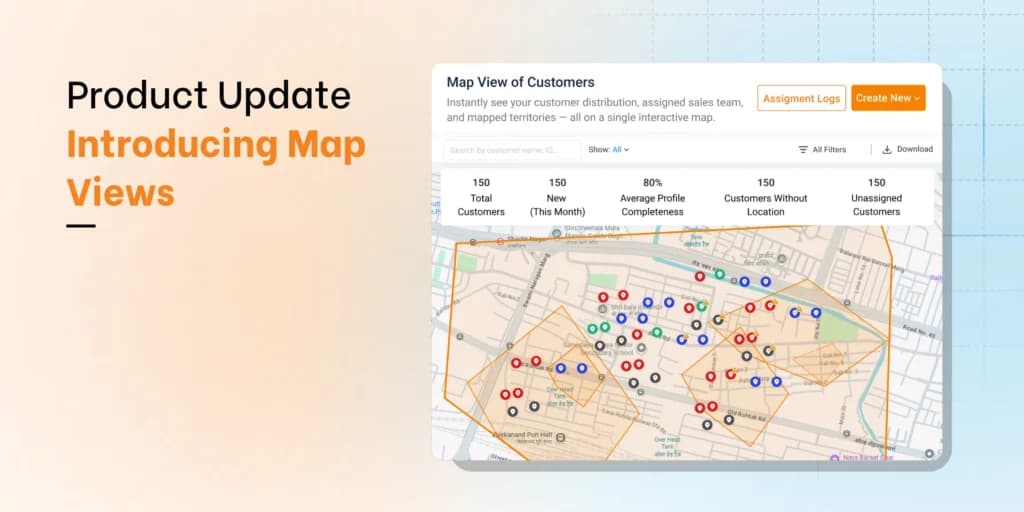 GuideSales Territory Mapping Software: How It Works and How to ChooseSales territory mapping software puts your customers or outlets on a map and splits them into balanced territories, so each rep gets a fair workload and every account gets…
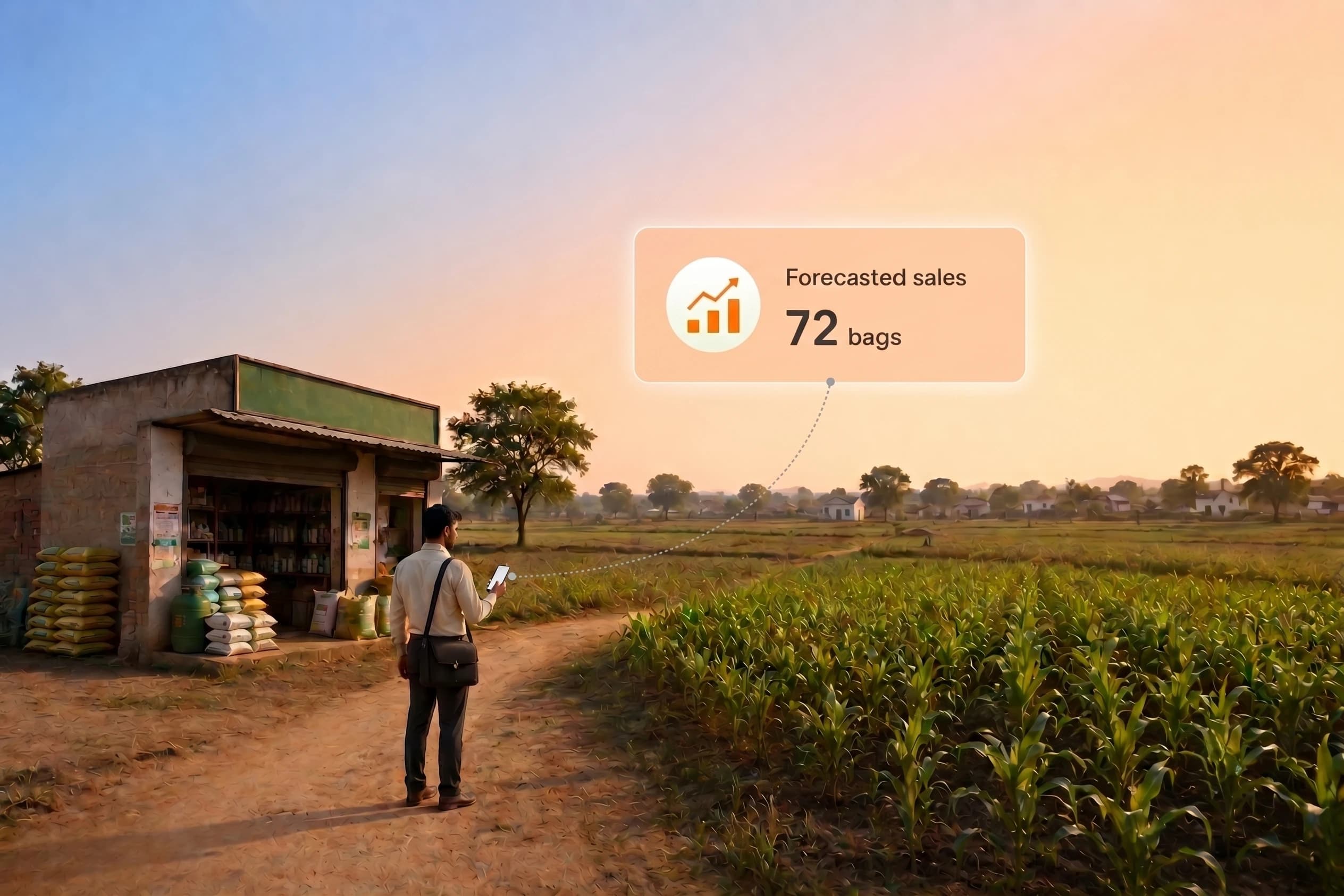 Platform upgradesIntroducing Rolling Sales ForecastingThe season keeps moving, so the forecast should too. Rolling Sales Forecasting brings Forecast and Actual Sales into one continuously updated view, so agri-input brands catch the…
 Platform upgradesIntroducing Workzones for Smarter Territory & Distributor ManagementWorkzone lets you define a territory once, map a retailer once, and let every authorized distributor in that geography serve them. No duplicate customer records, no extra routes.
 Platform upgradesIntroducing Full Journey Planning in the Scheduling AI AgentThe Scheduling AI Agent now plans the journey as well as the visits, grouping nearby customers into a practical day plan and recommending the most efficient visit sequence.
 Platform upgradesAny Vision Workflow, Now Intelligent: BeatRoute Generalizes Its Vision AIField teams capture millions of photos every month, but most images sit as proof, not intelligence. BeatRoute has generalized its vision AI so that any vision-based workflow can…
 Platform upgradesIntroducing Expense Management with AI-Based Fraud DetectionExpense management becomes a first-class part of BeatRoute: a dedicated workflow, backed by expense-specific AI, that takes a claim from submission to payment inside the same…
 GuideRange Selling Guide for FMCGTL;DR Most FMCG brands struggle to improve range sold at the outlet level. Reps visit outlets every week but keep selling the […]
 GuideProject Sales vs Retail Channel Sales in Building Materials: How to Run Both on One PlatformTL;DR This guide is for building material sales leaders who lose revenue because project sales and retail channel sales run on separate […]
 GuideWhy Dealer Schemes and Loyalty Programs Fail in Consumer Durables IndustryTL;DR Consumer durables brands invest heavily in dealer schemes and loyalty programs, but most fail to change dealer behavior. This article covers […]
 GuideNext-Gen Retail Sales Software for Modern Retail BrandsTL;DR Most retail sales software logs what reps did but does nothing to improve what they do next. This article covers how […]
 GuideSales Force Tracking in 2026: Beyond GPS and AttendanceAre we still tracking sales reps or is there more to it ?
 GuideSecondary Sales Tracking Software: 2026 Buyer GuideTL;DR Primary sales show what brands shipped, but secondary sales reveal what actually reached retailers. This 2026 buyer guide covers must-have features […]
 GuideThe Role of Relationship Selling in Retail DistributionTL;DR Retailers place repeat orders with brands they trust, not just brands that show up. This article covers how relationship selling works […]
 GuideTrade Promotion Optimization (TPO): A Guide for Trade Marketing TeamsTrade promotion optimization (TPO) measures past trade promotions and uses what it learns to plan the next offer, depth, timing and outlets. Here is the data it needs, how to…
 GuideRoute to Market Strategy for Retail BrandsA route to market (RTM) strategy is the plan for how your products get from the factory to every outlet worth serving: channels, distributors, coverage and cost to serve, and how…
 GuideWhat Does Out of Stock (OOS) Really Mean for Your Brand?TL;DR Out of stock (OOS) goes beyond a missing product on a shelf, damaging brand loyalty, retailer relationships, and sales momentum. This […]
 GuideTrade Promotion: What It Is, Examples & How to Manage ItA trade promotion is an incentive a brand gives distributors, retailers and dealers to stock, display or sell more. See the main types with examples, and how to plan and manage…
 GuideWhat is Channel Conflict & How Retail Brands Can Resolve ItTL;DR Channel conflict happens when different sales or distribution channels of the same brand compete against each other. This guide covers the […]
 GuideWhat Is Route Optimization? A Field Sales GuideTL;DR Route optimization for field sales generates the most efficient visit sequence so reps cover priority outlets without wasted travel. This guide […]
 GuideBrand-Dealer Engagement: Traditional Meets DigitalTL;DR Brands that sell through dealers need both field presence and digital transparency to maintain strong partnerships. This article explains why pure-field […]
 Guide15 Key Considerations for FMCG SFA Software EvaluationTL;DR Choosing the right FMCG SFA software requires evaluating capabilities far beyond GPS tracking and visit logs. This article presents 15 key […]
 GuideFrom Automation to Intelligence: How FMCG Giants Are Rethinking Route to MarketFMCG route to market is moving from automation to AI-driven intelligence. See how BeatRoute’s AI agents improve rep productivity, execution, and growth.





Keep exploring
Customer storyHow Danone India Increased Sales Coverage by 30% with BeatRoute SFA SoftwarePodcastCan AI Work in Pharma Route to Market? ft. Hemal SavlaeBookFMCG Summer Season Playbook: Strategies for Successful Field ExecutionReady to achieve your sales goals? See BeatRoute in action →