

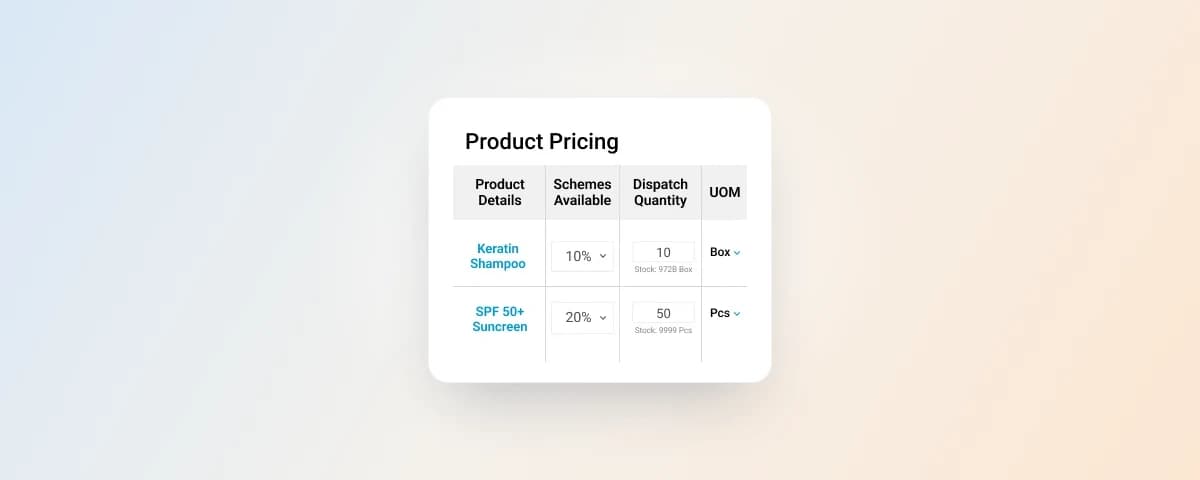
The hard part of distribution in the Philippines is that your distributors are nothing alike. One in Cebu has a back office and an ERP. Another in Palawan runs the whole business from a phone and a Viber group. A distribution management system (DMS) is the software a brand shares with all of them. Distributors order stock, bill sari-sari stores and file claims in it, and the brand sees stock, sales and dues at every distributor in one place.
Wholesale distribution software or a DMS: which is best for you?
Start with who is buying, because two different products share the name. A wholesaler that runs its own warehouse needs wholesale distribution software, usually an ERP. A brand that sells through many distributors needs a DMS.
| Wholesale distribution software | Distribution management system (DMS) | |
|---|---|---|
| Who buys it | A wholesaler or distributor | A brand with many distributors |
| What it runs | One company’s warehouse, inventory, purchasing and accounts | Orders, schemes, claims and secondary sales across all your distributors |
| The question it answers | “What do I have and what do I owe?” | “What is selling, where, and through whom?” |
BeatRoute suits brands that sell through many distributors and want to see their stock, sales and dues in one place; a distributor buying software for its own warehouse will be better served by a lighter billing tool.
If you are the brand, the best DMS is the one your smallest distributor will actually open every day. A system that only your Metro Manila distributors use leaves you blind on the islands, where stock-outs and claim disputes are hardest to see from head office.
What a DMS has to handle in the Philippines
Distribution here runs across thousands of islands and long sea and road routes. Supermarkets and drugstore chains take part of your volume, but much of it ends up in sari-sari stores, wet-market stalls and small groceries. That is where returns, expired stock and damage claims pile up.
So a DMS here has four jobs. Orders have to come in from each distributor in the way that distributor works. Secondary sales have to be visible down to the store. Schemes should apply with no manual checks. And claims need settling fast enough that distributors trust the system. The distribution management software guide covers the wider picture, including field sales and retailer ordering.
Primary sales: brand to distributor
Primary sales are what your distributors buy from you. In BeatRoute’s distributor management system:
- Ordering on the app or Viber. Distributors place their own orders when they need stock, without waiting for a call from your rep.
- Schemes and targets at the point of order. While ordering, distributors see the schemes, targets and incentives that apply. Slab discounts, Buy X Get Y and cumulative targets are applied for them.
- Statements of account on demand. A distributor can pull up what it owes and what it is owed, on the app or in Viber chat. That means fewer calls to head office and fewer payment disputes.
Secondary sales: distributor to sari-sari store
Secondary sales are what your distributors sell to retailers. They usually live in paper invoices and spreadsheets, so head office sees them late or not at all. In BeatRoute:
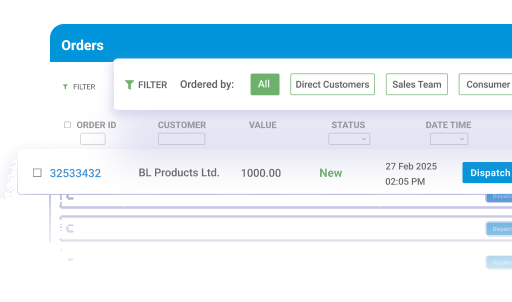
- Invoices for every retailer. Distributors bill retailers in BeatRoute, or in their own billing system connected to it. You see sell-out store by store.
- Trade promotions by store type. Each offer lands on the right invoices by retailer class or type, so the right sari-sari stores get it.
- One flow for returns and claims. Expired, damaged and returned stock follows a set workflow. Each claim gets an ID and a status both sides can track, so the distributor and your team argue from the same record.
Match the DMS to each type of distributor
Most brands here have three kinds of distributor, and a DMS has to suit all three on one platform. Each one adopts it when it pays them, never because head office sent a memo.
Distributors with a back office
Larger distributors in hubs like Metro Manila and Cebu work on a desktop. They get the full DMS: schemes, targets, claims settled from one record and their own reports.
Distributors that run on an ERP
Multi-brand distributors often have their own billing system or ERP and will not switch. BeatRoute connects to the system they already use, so they keep it and you still get clean secondary sales data.
Mobile-only distributors
Small distributors in provinces like Palawan, Samar and Bukidnon often run on a smartphone. They order, check schemes, track claims and get statements through Viber chat, with no desktop at all. A clear statement and a claim paid on time are what bring them back to it each day.
How to test a distribution management system before you sign
A demo with clean sample data proves little. Ask to run these checks with your own data:
- Pick one distributor of each type. Include your most remote one. If the Viber-only distributor cannot order and see its statement, the rollout will stall there.
- Run a real scheme end to end. Set up one of your current trade schemes and check that it lands on the right retailer invoices without anyone fixing it by hand.
- File and settle a claim. Raise a damaged-stock claim from a provincial distributor and see how long approval takes and what proof it asks for.
- Ask for the report you use today. Have your sales team build their weekly distributor report themselves. If they need the vendor or IT to do it, they will go back to spreadsheets.
Reports brands and distributors use
Two reports matter most to brands with island-wide distribution:
- Fill rate by region. Where retailer demand is going unmet, for example late deliveries in Palawan or excess stock in Metro Cebu.
- Distributor scorecards. How each distributor tracks against its target, so your team knows whom to call first.
Brand teams build any other dashboard themselves by region, distributor type, channel or retailer class with a no-code report builder, and distributors can build reports for their own business. To see how the DMS works alongside your field team, look at BeatRoute’s sales force automation, or book a demo with your own distributor list.
Frequently asked questions
What if a distributor has no billing software at all?
It can bill retailers in BeatRoute itself. Distributors still on paper or a basic invoice book move straight to the DMS, and you get their secondary sales the same way as from everyone else.
Is a distribution management system the same as distribution management software?
Yes. A distribution management system and distribution management software are the same thing. A distributor management system is a narrower term; our distribution management software guide explains the difference.
Is there local support and Tagalog in the apps?
Yes. The distributor app and the field sales app both run in Tagalog. Onboarding, training and day-to-day support come from our Philippines partner, Redstar Asia Solutions, in Metro Manila, on local hours by phone, chat and email.
How is BeatRoute priced?
BeatRoute is subscription software, priced by module and team size on annual contracts, with no free trial.
Which brands use BeatRoute in the Philippines?
San Miguel, Unilab and Monde Nissin are among the Philippine brands on BeatRoute. You can read results from other brands in our case studies.