

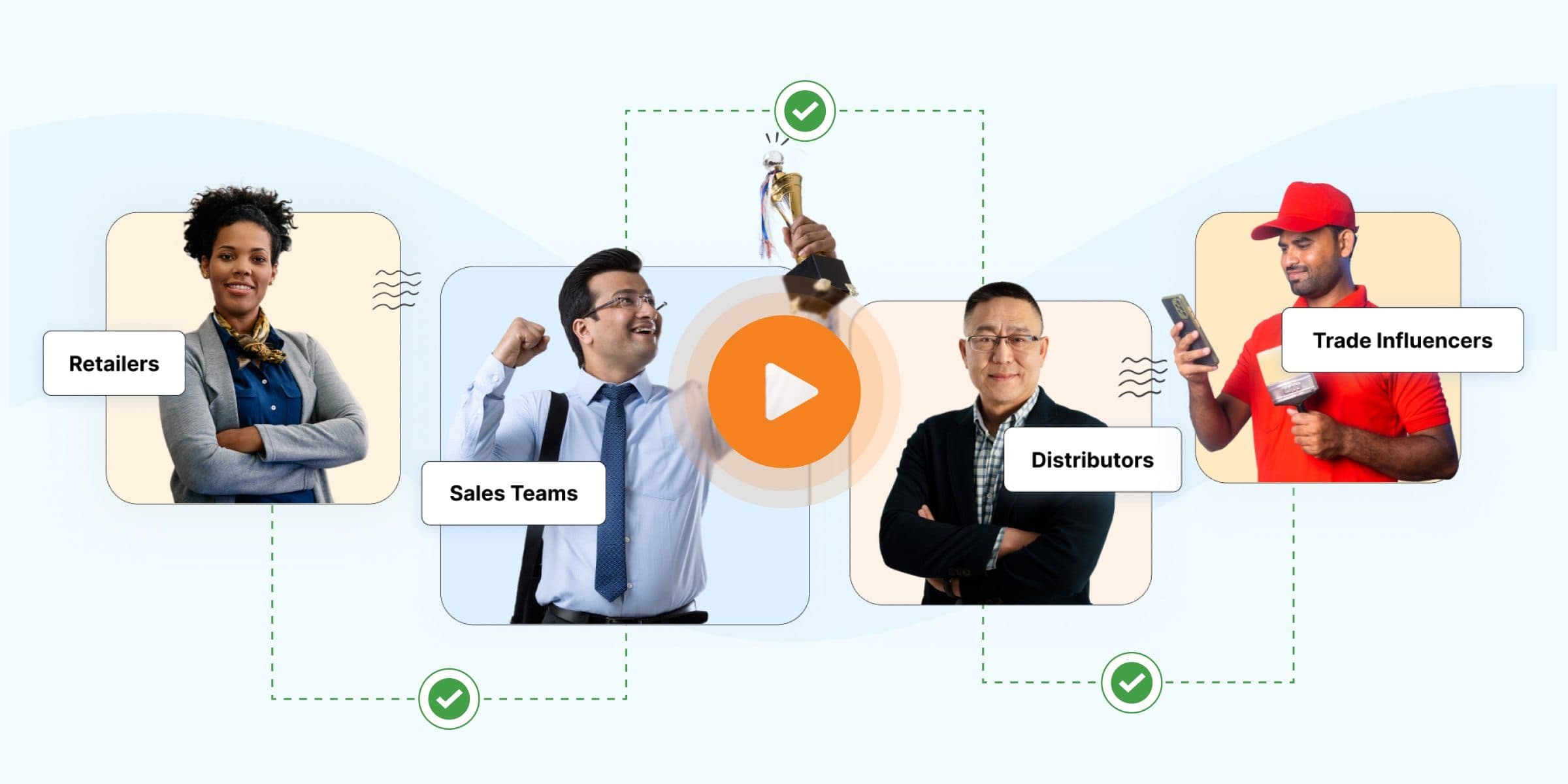
TL;DR Channel conflict happens when different sales or distribution channels of the same brand compete against each other. This guide covers the common causes, impact on retail brands, and proven tactics to resolve it.
Channel Conflict happens when different sales or distribution channels of the same brand start stepping on each other’s toes. It could be your e-commerce pricing undercutting your retail partners, or your direct-to-consumer model clashing with long-standing distributor relationships.
Whatever the reason, one thing is clear: unresolved channel conflict hurts your brand, your partners, and your customer experience.
Below: what channel conflict actually is, the pricing, D2C and territory moves that trigger it most often, and the six tactics retail brands use to turn channel tension into aligned execution, not through policy memos, but through visibility, clear rules and field discipline.
What exactly is channel conflict?
Channel Conflict refers to tensions or disputes between different players or touchpoints within a brand’s sales and distribution ecosystem.
It could be:
- A manufacturer selling directly to consumers at lower prices than its retailers
- Online partners competing with offline dealers for the same customer base
- Distributors complaining about territory overlap
At its core, it’s a misalignment of incentives and execution across sales channels.
What are the common causes of channel conflict?
- Pricing discrepancies between online vs. offline channels
- Direct-to-consumer launches without retailer alignment
- Overlapping territories between distributors or sales reps
- Unequal stock availability across channels
- Inconsistent promotional strategies
Example: A liquor brand runs an online flash sale that undercuts offline retail prices, frustrating trade partners and leading to reduced shelf priority.
What is the real-world impact of channel conflict on retail brands?
- Damaged partner trust: Retailers feel undercut and deprioritized
- Customer confusion: Different prices and offers across channels reduce confidence
- Stock mismanagement: Some channels overstocked, others understocked
- Loss of brand control: Lack of uniform messaging and positioning
How can retail brands resolve channel conflict?
- Develop a Channel Strategy Before Conflict Arises
Outline clear roles for each channel, D2C, retail, modern trade, e-commerce. - Maintain Transparent Communication
Involve partners early in new launches, pricing shifts, or strategic changes. - Standardize Pricing & Promotions
Where possible, maintain price parity or communicate value differentiation. - Use Tech to Improve Inventory Visibility
Ensure all partners have access to updated stock and demand data. - Territory Mapping & Beat Plan Discipline
Avoid overlap through clean beat plans and field execution monitoring. - Reward Compliance
Create incentives for partners who follow brand guidelines or share data.
Final thought
Channel conflict is inevitable in a multi-channel world, but mismanaging it isn’t.
With the right visibility, tech stack, and partner-first approach, retail brands can turn conflict into collaboration.
Book a demo with BeatRoute to explore how we help retail brands create alignment across channels through smarter field execution, real-time tracking, and disciplined beat plans. BeatRoute is the only SFA-DMS built to execute your sales goals.
Frequently Asked Questions
What is channel conflict in simple terms?
Channel conflict is what happens when a brand’s own sales routes, general trade, modern trade, e-commerce, D2C, start competing against each other for the same customer. It shows up as pricing gaps between online and offline, distributor territories that overlap, or retailers finding the brand selling direct at lower prices than they do.
What are the most common causes of channel conflict?
Three recur most often. First, pricing inconsistency, the same SKU cheaper online than in store. Second, unannounced D2C or modern trade launches that surprise existing retail partners. Third, territory overlap between distributors or reps. Inconsistent stock and campaign execution across channels magnifies all three by making the gaps visible to customers.
How does channel conflict hurt retail brands?
The damage compounds. Partners feel undercut and quietly deprioritize your shelf space. Customers get confused by different prices and offers and trust the brand less. Some channels sit on excess stock while others stock out. And HQ loses control of positioning because every channel tells a slightly different story. None of this shows up on a monthly P&L immediately, but all of it shows up in retention.
How can retail brands resolve channel conflict?
Start with a written channel strategy that defines the role of each route, what D2C sells, what modern trade leads, where general trade wins. Keep pricing as aligned as possible across channels, or communicate the value differentiation clearly. Then invest in visibility: territory mapping, beat plan discipline and shared stock and demand data so partners are not operating in the dark.
Can technology actually prevent channel conflict?
Technology cannot prevent misaligned incentives, but it makes the misalignment visible fast. Real-time outlet-level data catches territory overlap before it becomes a distributor complaint. Shared stock visibility prevents channel-specific hoarding. Beat plan monitoring keeps reps on assigned routes. The tech does not fix the strategy, it enforces whatever rules the strategy sets.