What Retail Brands Must Know About Consumer Goods
 Surya Panicker
Table of Content
TL;DR Consumer goods brands succeed or fail at the shelf level. This article covers the product-to-shelf strategies, category management insights, and technology shifts that retail brands need to understand to stay competitive.
Consumer goods brands live or die at the shelf. It does not matter how good the product is if shoppers cannot see it, find it in stock, or remember it over a competitor. This guide breaks down what retail brands must understand about the consumer goods industry — from category dynamics to omnichannel visibility — and how to turn that knowledge into shelf-level wins.
What should retail brands know about product-to-shelf strategy?
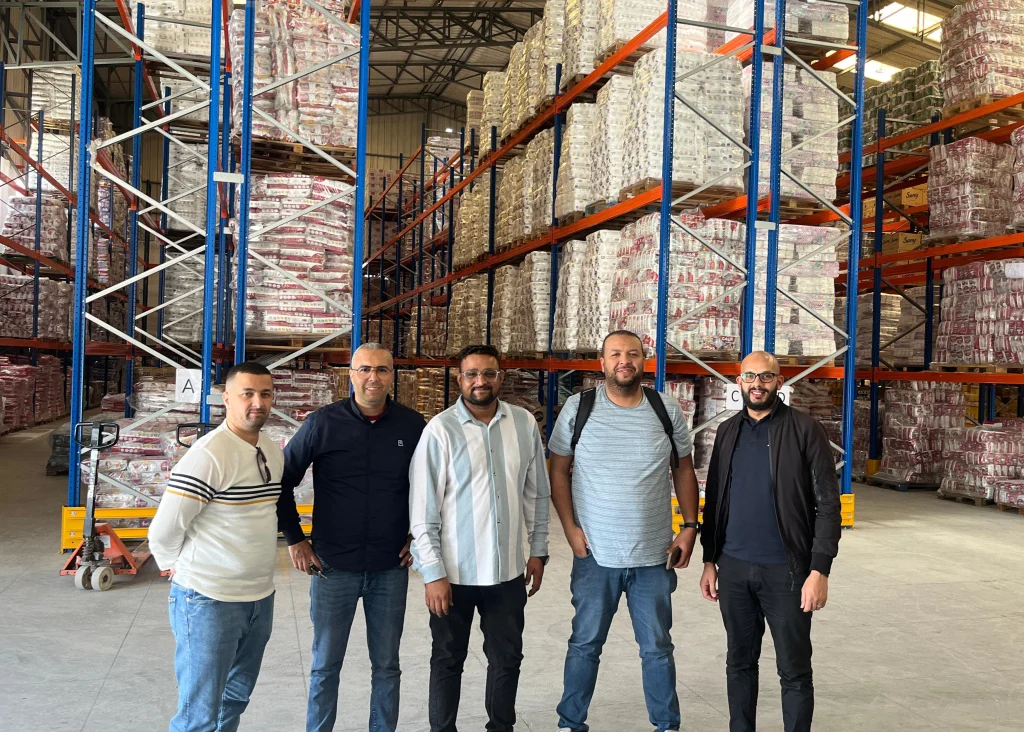
The consumer goods industry isn’t just about making products — it’s about making sure those products sell, and sell well. For retail brands, this means understanding the lifecycle of a product from ideation and manufacturing, all the way to how it looks, feels, and performs at the shelf.
Every packaging decision, every display execution, and every restocking rhythm matters. Because in this industry, visibility and availability directly impact conversion.
Which categories matter most to retail brands?
- Fast-Moving Consumer Goods (FMCG): High volume, high turnover products like snacks, beverages, personal care.
- Durables: Longer-use items like air purifiers, washing machines, and kitchen appliances.
- Nondurables: Shorter shelf-life products like cosmetics, detergents, or packaged foods.
Each category requires a distinct shelf strategy — but all share the same goal: consistently delight the consumer at the point of purchase.
How is consumer goods moving from store aisles to digital shelves?
Today’s retail brands must think omnichannel. That means ensuring product visibility and presentation is optimized across:
- Physical stores (GT and MT)
- E-commerce platforms
- Quick commerce and D2C channels
Example: A cosmetics brand ensures its newly launched serum is highlighted at pharmacy shelves, featured in MT displays, and tagged as “Trending” on major e-comm platforms.
The shelf is the battlefield
Retail success hinges on:
- Planogram execution: Is your product placed where it matters?
- Merchandising consistency: Is it visible, stocked, and aligned with your campaign?
- Retailer relationships: Are store staff trained or incentivized to push your product?
Retail-ready execution is the difference between being seen vs. being skipped.
What insights drive shelf-level wins?
- Use consumer data and POS insights to tailor product assortment.
- Run store-specific activations that match local demand patterns.
- Optimize packaging for both shelf appeal and operational efficiency.
Example: A beverage brand uses regional demand data to introduce smaller packs in metro stores and larger bundles in Tier 2 outlets.
What role does technology play in consumer goods execution?
Tech-enabled retail execution platforms like BeatRoute help brands:
- Track secondary sales and product visibility in real-time
- Automate beat plans and merchandiser tasks
- Capture visual proof of POSM and shelf conditions
Final thoughts
The consumer goods industry might begin in factories, but success is built at the shelf. For retail brands, every touchpoint from warehouse to POS is an opportunity to influence purchase.
Book a demo with BeatRoute to see how we help consumer brands go from shelf to sale — with zero blind spots.
Frequently Asked Questions
What is the consumer goods industry?
The consumer goods industry covers companies that create, market, and distribute finished products for personal use. It spans fast-moving categories like food and hygiene, nondurables like cosmetics, and durables like appliances. It is one of the largest global economic drivers.
Why is shelf execution so important for retail brands?
Shoppers decide in seconds at the shelf. If a product is out of stock, misplaced, or poorly merchandised, the sale is lost regardless of marketing spend. Strong shelf execution — planogram compliance, visibility, and in-stock rates — directly drives secondary sales conversion.
What categories does consumer goods include?
The main categories are FMCG (high-turnover items like snacks and beverages), durables (longer-use goods like washing machines and appliances), and nondurables (short-life products like cosmetics, detergents, and packaged foods). Each category has different shelf strategies and replenishment cycles.
How does omnichannel change consumer goods strategy?
Brands must now optimize visibility across physical stores, e-commerce, quick commerce, and direct-to-consumer channels. That means synchronizing assortment, pricing, and promotion execution across every touchpoint so shoppers find a consistent experience wherever they buy.
How does technology help consumer goods brands execute better?
Retail execution platforms like BeatRoute track secondary sales and shelf visibility in real time, automate beat plans and merchandiser tasks, and capture visual proof of POSM and stock conditions. That gives brands the ground-truth data needed to fix gaps fast.