Beat Planning Software for Sales Teams in Africa
For retail brands that sell through distributors. Plan the duka, kiosk or wholesaler each rep calls on today, and the beat planning app gets the call made.
Beat Planning
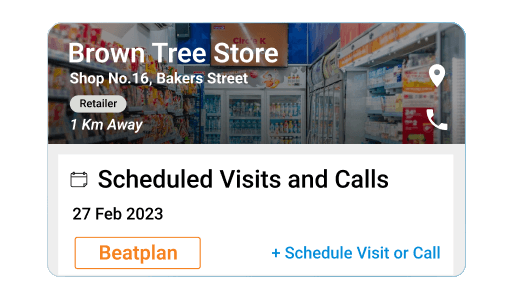
Scheduling AI Agent

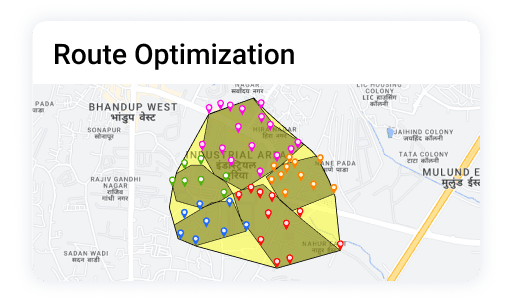
Route Optimization
⊢Trusted by category leaders worldwide⊣









What is beat planning software?
Beat planning software (some teams say beat plan software) is the tool a brand uses to pick which dukas, kiosks and stockists each rep calls on, how often and on which day. It then counts every call against that plan.
A beat is the group of outlets one rep covers in a day. The sales beat plan runs those beats in a weekly or monthly cycle, and Kenyan and Nigerian teams often call a rep's fixed copy of it the PJP.
Ask reps only for a call count and the easy ones get done. The roadside kiosk is visited often while the busy wholesaler waits. So BeatRoute sets visits by outlet value: a big stockist with an order due comes before a small shop that bought yesterday.
Measure the share of each rep's outlets that were visited as planned. The total number of calls hides the gaps.
Three ways teams handle sales visit planning, and who each one fits:
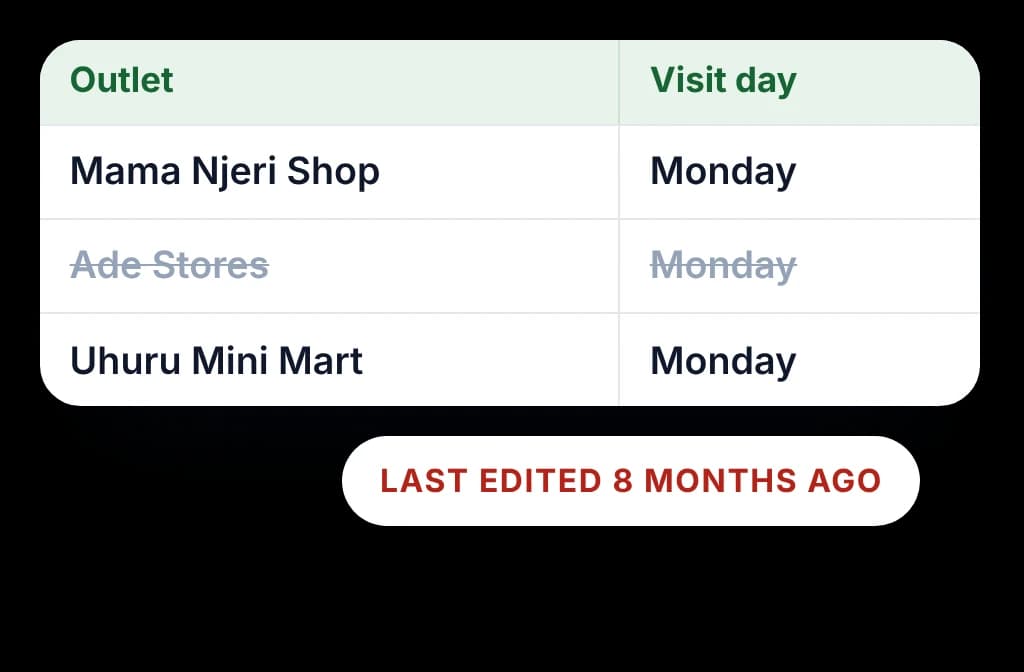
Excel or paper beat list
Same shops, same day, every week
Costs nothing to start. It goes stale as shops open and close, and no one checks it against real visits.
Good for a few reps and a short list.
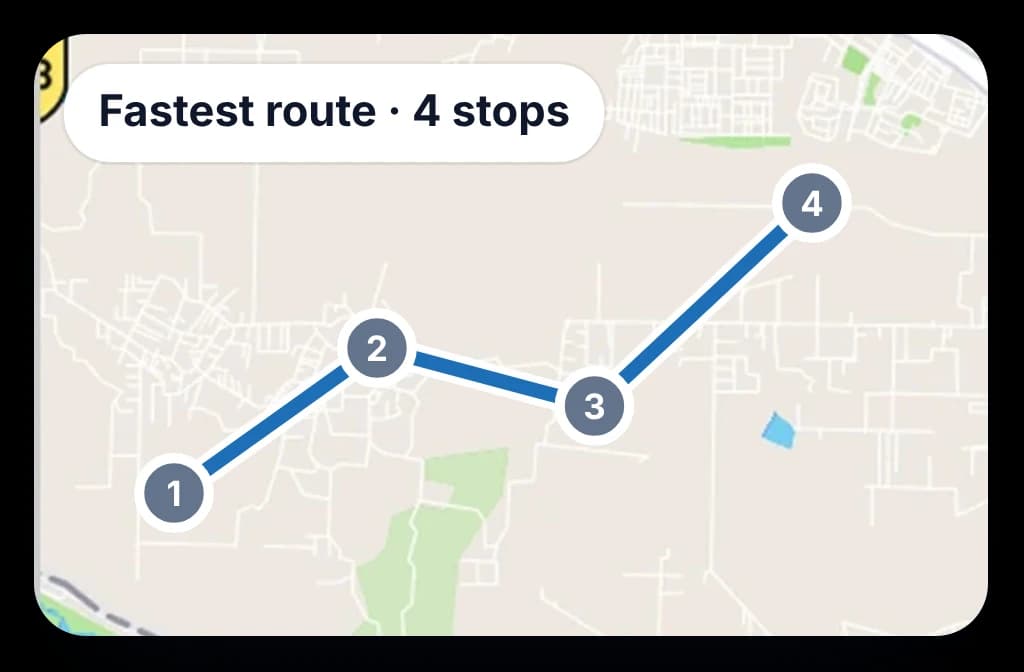
Route-only apps
The quickest way through today's stops
Route planning saves fuel and time once the stops are chosen. They do not say which outlets deserve a call or how often.
Good when every rep already has a fixed list.
Value-based beat planning
Which outlets, how often, which day
Sets visit frequency from outlet value, builds beats and updates them as the market moves. This is what BeatRoute does.
Made for retail brands that sell through distributors and run many reps.
1. Build the beat plan
Visit planning starts with the outlets. Grade them, decide how often each one is visited, and hand each rep a plan that fits the week.

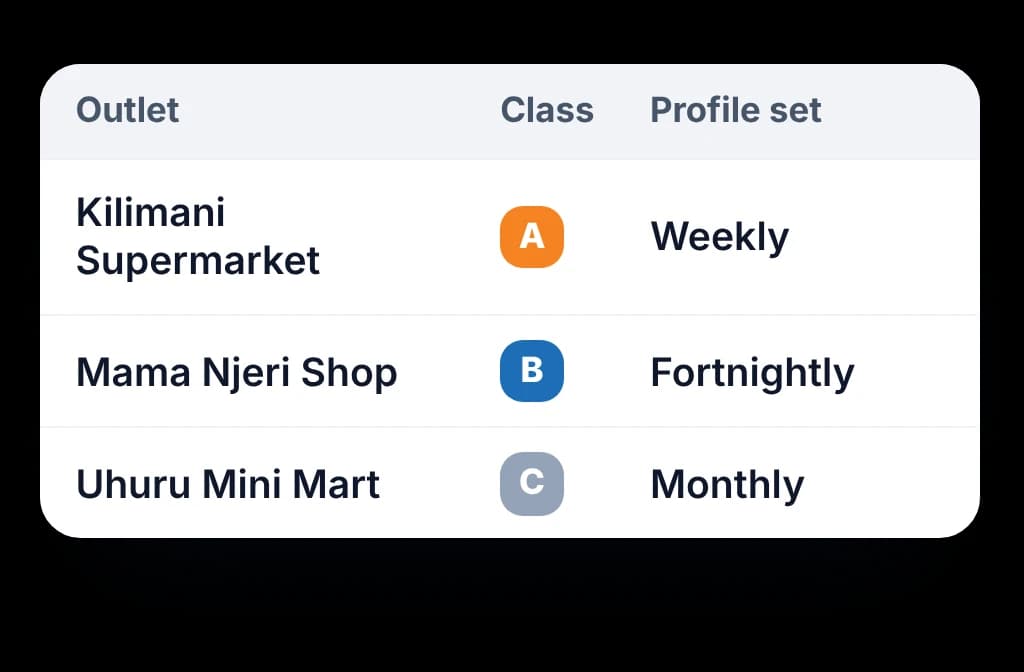
Grade outlets A, B and C
Grade outlets by sales and potential. A supermarket or big wholesaler then earns more calls than a roadside kiosk.

Give each grade a call cycle
A outlets weekly, B every two weeks, C monthly. The plan then knows each rep's calls.

Size each beat to one working day
Group close outlets by visit time. In Lagos or Nairobi traffic, a beat that spills into tomorrow is too big.

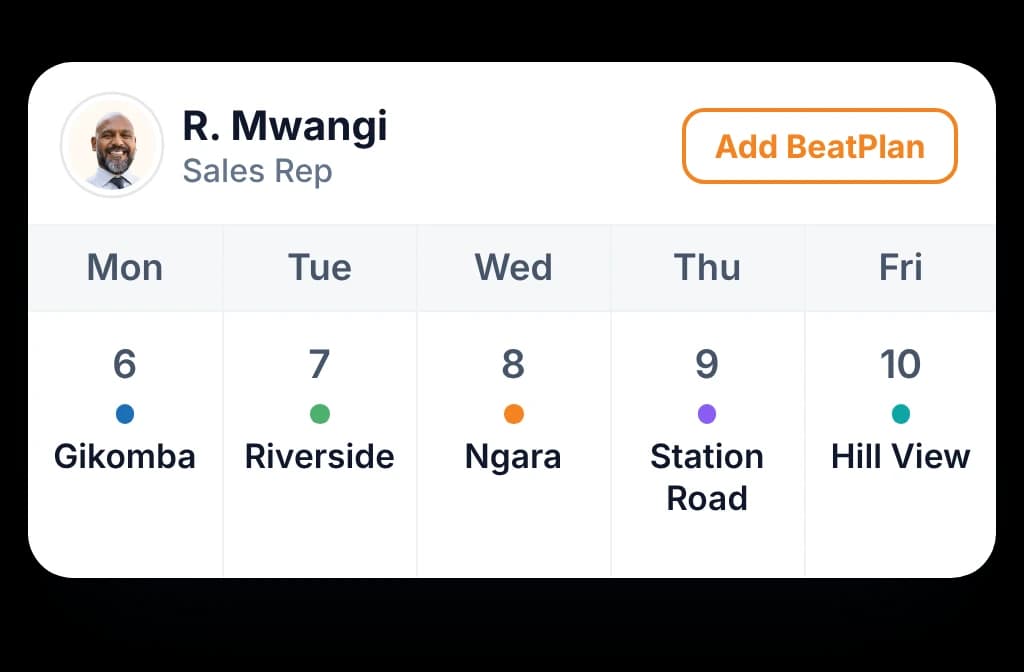
Hand out beats as the rep's PJP
Each rep gets an even load, with space left for urgent calls. Any outlet not on a beat is flagged as a gap in coverage.
2. Run the day in the beat plan app
The rep opens a ready list, checks in at the shop and does the job that matters.
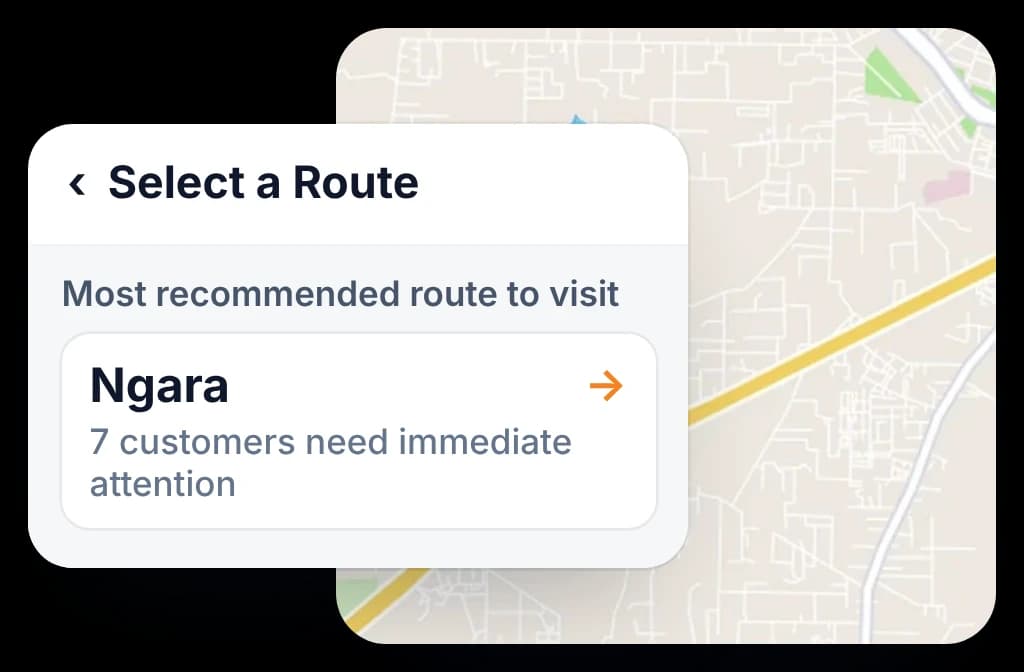

A list waiting at the start of the day
Today's beat is in order, with a job per outlet: an order, a payment or an issue. It syncs when signal returns.

Check in at the shop
The check-in records the place and the time. It can be set to count a visit only when the rep stands at the outlet's saved location.

Reorder the day when an outlet slips
If a shop's orders fall or its payment is late, the Scheduling AI Agent raises that shop's priority for the day. With the agent, productive visits rose from 45% to 78%.

Cut road time with route planning
Route optimization orders the day's stops for the least driving, so less of the day is lost on the road.
3. Check planned vs actual visits
See who was visited and who was not, then fix the beat plan while there is time.
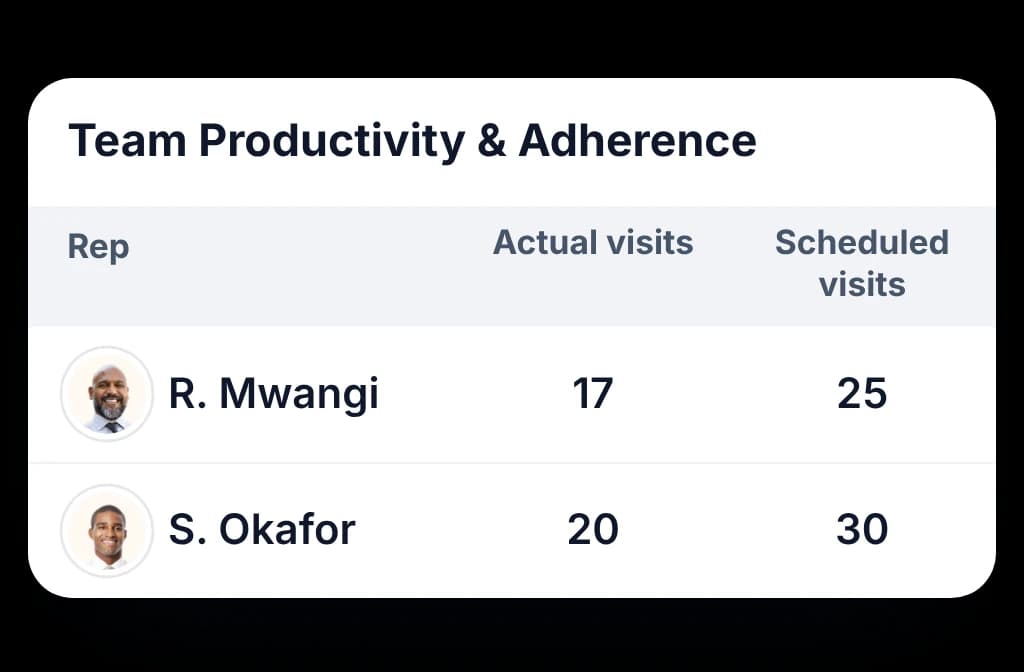

Planned visits against actual visits
Compare visits made with visits planned, and which ended in an order, by rep and beat. A missed outlet shows within the week.

Hold each grade to its call cycle
Follow PJP adherence, how many A outlets were reached and which outlets were missed. A grade that lags gets pushed up the schedule.

Redraw beats when the ground shifts
Shops open, shops close and reps change territory. Redo the beats, and estimate the reps a territory needs from its outlets, call cycles and time per call.
How AAVA Brands keeps its Nigerian outlets selling

AAVA Brands grew store-level sellouts 25-30% in Nigeria with BeatRoute.
For us, the platform's configurability and smooth ERP integration have been key to scaling fast. BeatRoute has truly proven itself as a future-proof, game-changing solution.
More on beat plans and PJPs
Journey plans, call cycles and coverage on long routes.

How Perfetti India Optimized Route-to-Market and Delivery Operations with BeatRoute
At a Glance Company Perfetti Van Melle Spokesperson Mayank Pandey, Sales Capability Head Industry FMCG – Confectionery Region India Primary Goal…
Read more
Introducing Full Journey Planning in the Scheduling AI Agent
The Scheduling AI Agent now plans the journey as well as the visits, grouping nearby customers into a practical day plan and recommending the most…
Read more
Introducing Map Views: A Modern Approach to Territory Planning with Retail Store Geo-Tagging
With our latest 8.2.0 release a powerful new feature has been to the portal: Map View for Customers and Distributors. This capability [ ]
Read moreSee BeatRoute's beat planning software build the week's beats for your reps.
Frequently Asked Questions
Which software tracks how often reps visit each shop?
Beat planning software does, as does a sales force automation app with beat planning inside. In BeatRoute you set a call cycle for each outlet grade. Each geo-tagged check-in counts toward it. A report shows which outlets are behind plan, by rep and by beat.
How many outlets should one beat have?
Only as many as a rep can serve well in one day. Add the time spent in each outlet to the travel between them. A large store with an order and a shelf check takes longer. If the total is more than the rep's day, split the beat. Dense market areas in Nairobi or Lagos hold more outlets per beat than long rural routes, where distance eats the day. The beat planning guide shows how to build one step by step.
What is the difference between a beat plan and a route plan?
The beat plan chooses which outlets a rep covers, how often and on which day. Route optimization then puts one day's stops in order. You need both: the beat plan sets the cycle, and the route plan cuts the hours on the road.
What should a beat plan app have?
Outlet grades with a call cycle for each, and beats built from location and time per visit. Look for geo-tagged check-ins and planned vs actual reports by rep, beat and grade. It should lift an outlet up the list when its orders or payments slip, as the Scheduling AI Agent does. Calls should fit each rep's hours and a shop's trading time, such as market day. And the beat plan app must run where the signal is weak, since many outlets sit there.