

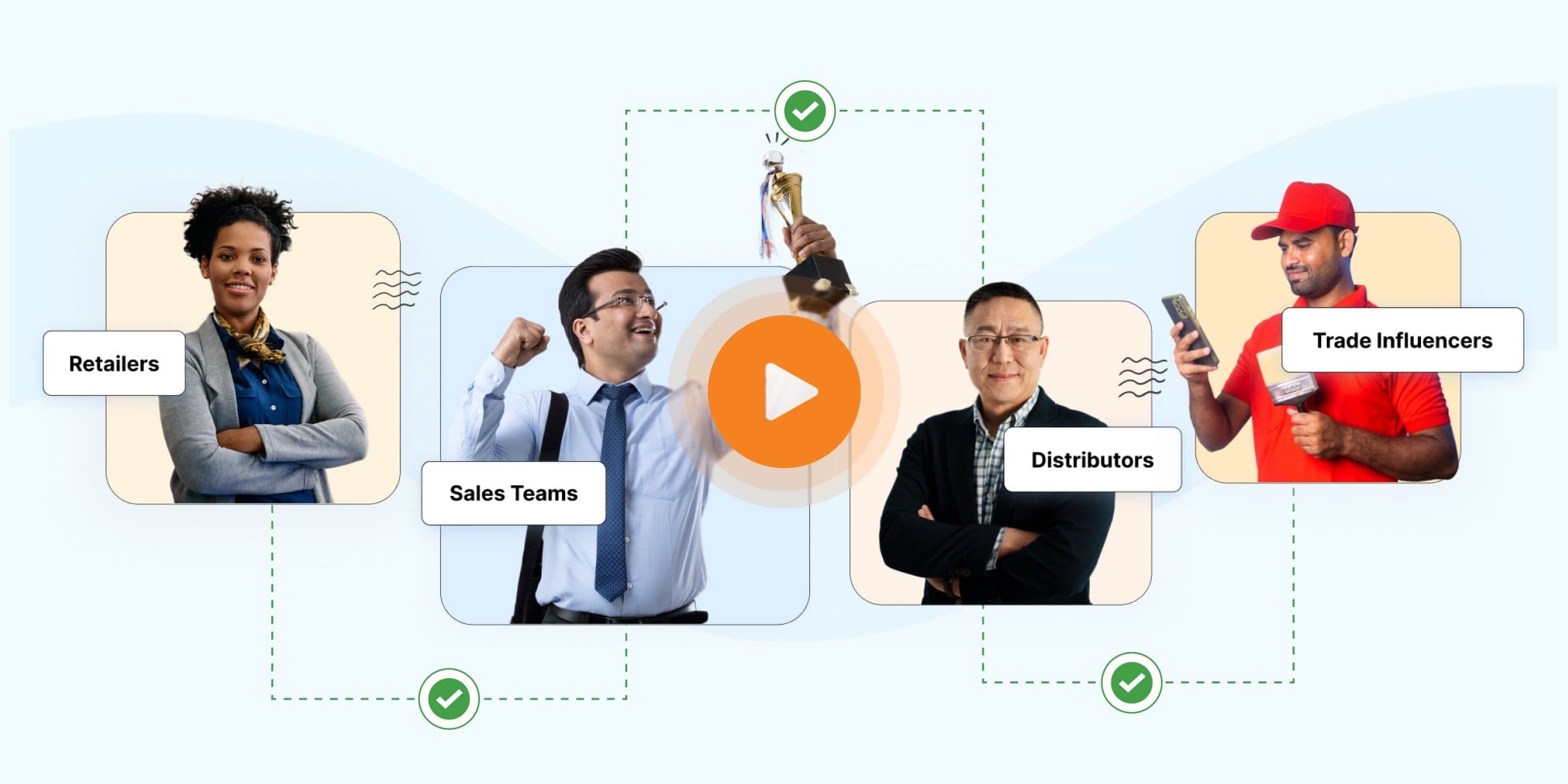
TL;DR Channel conflict is when a brand’s own routes to market compete against each other. In African trade its sharpest form is stock dumped across territory lines through open-market wholesalers. You resolve it with visibility, not memos, which is why brands run BeatRoute, the SFA and distributor management (DMS) platform.
A Key Distributor in Kano calls you, angry. His territory is flooded with your product he never ordered, priced below what he pays. Somewhere upstream, stock crossed a line it should not have. That is channel conflict, and in African trade it rarely looks like the textbook version.
The global playbook frames channel conflict as e-commerce undercutting retail, or D2C clashing with dealers. Those exist here too. But the daily version is dumping, territory overlap, and price gaps that open markets spread across a whole region. This guide defines the term correctly, then shows how to resolve it where the trade is informal and fragmented.
What is channel conflict?
Channel conflict is the tension that arises when different routes in a brand’s own sales and distribution network compete for the same sale. It is a misalignment of incentives and execution across channels, not a customer problem.
The classic triggers are pricing gaps between channels, unannounced direct-to-consumer launches, and overlapping distributor territories. Each one pits partners who should cooperate against each other. When two of your own channels chase one retailer, someone always loses trust.
In African distribution the same triggers appear, but the structure of the trade sharpens them. Your product might move through open markets in Lagos, dukas in Nairobi or spaza shops in Soweto. The conflict starts the moment you lose sight of where stock lands.
What does channel conflict look like in African trade?
The commonest form here is dumping: stock sold out of its assigned territory, then resold cheaply into someone else’s. It undercuts the distributor who plays by the rules and priced honestly.
Four patterns recur. Sub-wholesalers buy volume cheap and resell across territory lines. Distributor patches overlap and reps poach the same shops. Where modern trade exists, chain prices clash with general-trade prices. And marketplaces that brands supplied began undercutting the same distributors.
General trade drives roughly 90 percent of Nigerian retail, so most of this plays out shop to shop, not on a website. That is why channel conflict in Africa is a field-execution problem before it is a pricing-policy problem.
Why do open markets make channel conflict structural?
Open-air wholesale markets act as volume compressors, so stock crosses any territory line a brand draws. Sub-wholesalers and van sellers restock daily at hubs like Onitsha Main Market, Idumota, Gikomba, and Kariakoo.
From those hubs, a case bought in one region reappears three regions away by the weekend. No memo stops it, because the market, not the brand, sets the flow. This is why dumping is a structural reality of the channel, not a distributor moral failing.
Treat it that way and the fix changes. You stop hunting for a villain and start making the flow visible. Once you can see where stock actually lands, you can price, allocate, and protect territories with facts instead of accusations.
Why can’t brands see channel conflict until a distributor complains?
After dispatch, African distribution is a black box, so conflict is usually detected only when a partner picks up the phone. Africa does not have a demand problem. It has a visibility problem.
Five to seven middlemen sit between your factory and the shelf. You see primary sell-in, then the truck leaves and you go blind. Managers rebuild secondary sales in Excel at midnight from blurry WhatsApp photos, long after the damage is done.
By the time a Key Distributor reports flooded stock, the conflict is weeks old. BeatRoute research finds roughly 6 percent of volume leaks across territory lines. You cannot manage what you cannot see, and you cannot resolve conflict you detect too late.
How does currency pressure fuel channel conflict?
Currency swings make price lists stale within weeks, and every stale price is a fresh opening for parallel trade. The naira fell about 40.9 percent in 2024, and consumer-goods operating costs jumped 67 percent in a year.
When your official price moves and the field does not hear, gaps appear. Reps get accused of cheating. Retailers buy from whoever is cheapest today, and cheap often means dumped stock priced on last month’s cost. Acknowledge that squeeze before you pitch any tool.
The answer is not a static price sheet. It is a live price, pushed to every rep and retailer at once, so nobody trades on old numbers. Never publish a fixed price that the next currency move will break.
How do you resolve channel conflict in African distribution?
You resolve channel conflict with visibility and clear rules, enforced in the field, not with policy memos nobody can police. Strategy sets the rules; software makes them visible fast enough to matter.
Start with a written channel strategy that gives each route a defined job. Then invest in the field discipline that keeps the rules honest. Here is how the practical levers map to the conflicts they defuse.
| Lever | Conflict it defuses | How it works |
|---|---|---|
| Outlet census and territory mapping | Overlapping distributor patches | Every shop mapped to one owner, so overlap is caught early |
| Secondary-sales visibility | Dumping across territory lines | Shows where stock actually landed, by outlet and area |
| Journey plan discipline | Reps poaching the same outlets | Geo-verified visits keep each rep on assigned routes |
| Live price and scheme sync | Price gaps between channels | One current price reaches every rep and retailer at once |
| Compliance rewards | Partners breaking channel rules | Incentives for distributors who hold price and share data |
BeatRoute enables these levers, but it does not replace your distributors or bypass your reps. It makes the network you already have visible. That is the opposite of the marketplaces that raised hundreds of millions to own trucks and then collapsed.
How do you keep the distributor on your side?
Resolve channel conflict in the distributor’s interest, because that partner can veto any tool their staff must use daily. Your distributor is a powerful business owner you court, not command.
Write to their real worries. Manual claims take 8 to 12 weeks to settle, dumping eats their margin, and currency swings squeeze it further. Faster claims, protected territories, and easier retailer ordering turn a suspicious partner into an ally.
Frame territory data as protection, not surveillance. When you can prove where stock landed, the honest distributor is cleared and the dumper is exposed. That protects the partner who followed the rules, which is exactly who you want to keep.
How does BeatRoute help resolve channel conflict?
BeatRoute is the SFA and distributor management (DMS) platform for field sales and distribution, and it turns the black box after dispatch into a live picture. DMS simply means managing distributor stock, claims, and territories in one view.
One dataset covers reps, managers, distributors, and retailers. Secondary sales are captured outlet by outlet, so dumping shows up on a map instead of in an angry phone call. Reps carry live prices, and retailers order over WhatsApp, which reaches 95 to 97 percent of them.
BeatRoute is a global platform tailored for African trade, with proof it works here, which is why brands like AAVA Brands and BUA Foods run on it. The AAVA Brands case study reports an 18 to 20 percent lift in field productivity and 25 to 30 percent more store sellouts. Across 200-plus brands in 20-plus countries, teams that run every lever on one platform see a 12.6 percent average sales uplift in year one. Request a free demo to see coverage, territories, and secondary sales in one view.
Frequently asked questions
What is channel conflict in simple terms?
Channel conflict is when a brand’s own sales routes compete against each other for the same sale. It shows up as price gaps between channels, distributor territories that overlap, or stock sold out of one territory and dumped cheaply into another. It is a misalignment of incentives, not a customer complaint.
What does channel conflict look like in African FMCG?
The commonest form is dumping: stock resold across territory lines, usually through open-market wholesalers, at prices that undercut the honest distributor. Territory overlap between distributors and reps is close behind. Where modern trade exists, its prices can clash with general-trade prices in the same city.
Why is dumping so common in African trade?
Open-air wholesale markets like Onitsha, Idumota, Gikomba, and Kariakoo compress volume and redistribute it daily. Sub-wholesalers and van sellers restock there and move stock across any territory line a brand draws. That makes dumping a structural feature of the channel, not simply a partner behaving badly.
How is channel conflict different in Africa than in Western markets?
Western channel conflict often centres on e-commerce undercutting retail. In Africa, general trade drives about 90 percent of Nigerian retail, so most conflict plays out shop to shop through open markets and overlapping territories. It is a field-execution problem before it is a pricing-policy problem.
Why do brands detect channel conflict so late?
After dispatch, African distribution is a black box. Brands see primary sell-in, then lose sight of where stock actually lands. By the time a distributor reports flooded territory, the conflict is often weeks old. Real-time secondary-sales visibility is what catches it early.
How does currency volatility make channel conflict worse?
When prices move faster than the field can update, gaps appear. The naira fell about 40.9 percent in 2024, and costs rose sharply. Stale price lists let cheaper dumped stock win the sale and make reps look dishonest. A live, synced price closes that opening.
Can technology actually resolve channel conflict?
Technology cannot fix a misaligned strategy, but it makes the misalignment visible fast. Outlet-level data catches territory overlap early, journey plans keep reps on route, and a synced price removes channel gaps. The strategy sets the rules; the software enforces them in the field.
What is the difference between SFA and DMS in resolving this?
SFA digitizes field selling: visits, orders, coverage, and journey plans. DMS, or distributor management, tracks distributor stock, secondary sales, claims, and territories. Channel conflict needs both, because dumping and overlap sit at the seam where the field team meets the distributor network.
How do you resolve channel conflict without alienating distributors?
Frame territory data as protection, not surveillance. When you can prove where stock landed, the honest distributor is cleared and the dumper is exposed. Pair that with faster claims and protected territories, so the partner sees the tool working in their interest, not against them.
Does BeatRoute replace distributors to remove conflict?
No. BeatRoute makes the network you already have visible and efficient. It does not own trucks, buy stock, or bypass your distributors and reps. That is deliberate, given how many African marketplaces raised huge sums to replace the trade and then collapsed.
Which African brands use BeatRoute?
African customers include AAVA Brands and BUA Foods, both in Nigeria. BeatRoute serves 200-plus enterprise brands across 20-plus countries and 2 million-plus retailers, so its African proof is real, not borrowed from other regions.
Is BeatRoute a CRM for managing channel partners?
No. BeatRoute is the SFA and distributor management (DMS) platform for field sales and distribution. It captures partner and retailer relationship data natively, but it is built to execute sales and enforce channel rules in the field, not to manage contacts from a desk.