

TL;DR For trade marketing managers at Philippine retail brands who need promotions that move product off the shelf, not just budget off the books. Why most schemes underperform, four fixes, and how to tie every promotion to measurable sell-through.
Trade promotions have outgrown their old job as tactical nudges. They are now data-backed levers that decide sell-through, retailer mindshare and margin, from supermarket chains to the sari-sari network. Spray-and-pray discounting no longer survives scrutiny. The brands winning the Philippine shelf run schemes with precision, watch them live, and close the loop in field execution. When promotion planning and ground reality share one system, ROI becomes measurable and repeatable.
What is a trade promotion?
A trade promotion bundles the incentives, deals and marketing support a brand hands its retailers, distributors or wholesalers. The goals: lift visibility, grow orders, sway what happens at the shelf. Where consumer promotions chase the shopper, trade promotions work on the channel partners who stock and push the product.
The common formats:
- Volume-based discounts (slab schemes)
- Combo offers and bundles
- Scheme-linked rewards and loyalty points
- POS visibility drives: standees, shelf strips, counter branding
- Retailer and store-staff contests and loyalty programs
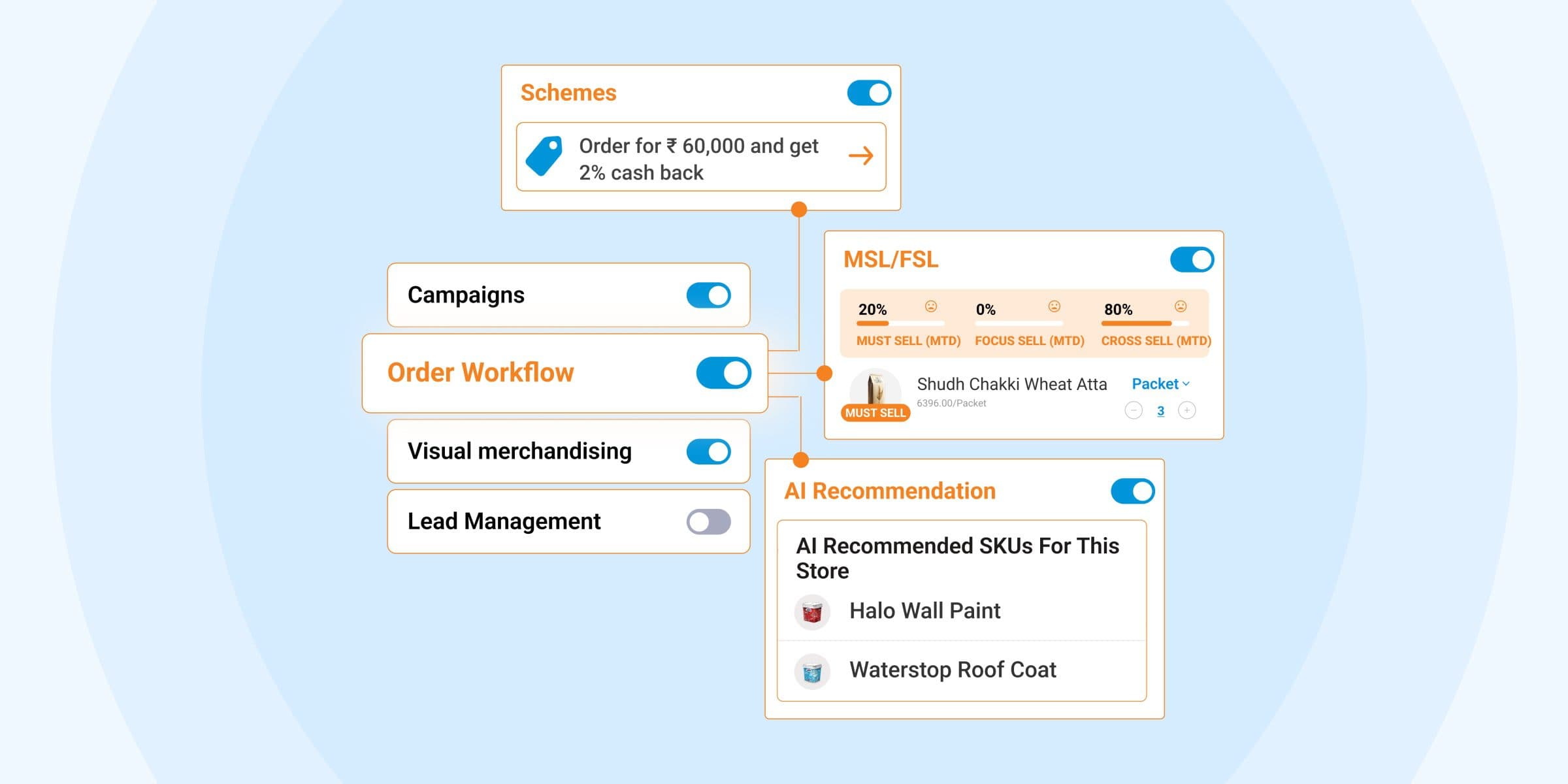
The shift of the last few years is real: promotions turned personal, conditional and automated, made for action at the counter instead of announcements from a Makati head office. BeatRoute's Trade Promotion Workflows connect scheme design to field execution and verified secondary sales, so the brand knows which schemes moved volume.
Why promotions matter when you run field execution
In FMCG, agri inputs, beverages, OTC pharma and consumer durables, promotions do four jobs:
| Function | Business impact |
|---|---|
| Drive uptake for new SKUs and seasonal launches | Faster listing and trial, shorter time to shelf |
| Speed up order cycles | More frequent orders, steadier cash flow |
| Hold shelf presence against competitors | Retailer mindshare stays yours through rival pushes |
| Clear aging or slow SKUs | Less dead stock, working capital freed |
Philippine retailers now expect promotions that are clear, on time and trackable. A scheme the rep explains cleanly, logs with proof and settles without drama earns repeat participation. Anything less breeds confusion, disputes, and silence at the counter.
Where trade promotions fail
Even a well-funded promotion dies when the execution chain snaps, and it snaps in the same four places everywhere.
Reps cannot explain the scheme. The offer lives in a PDF nobody opens in the store, so reps pitch from memory and get the terms wrong.
Applicability is generic. The same slab goes to every outlet regardless of potential, channel or buying pattern.
Claims crawl. Retailers wait weeks for confirmation, disputes pile up, and trust in the next scheme dies with this one.
Nobody tracks sell-through. The brand counts redemptions but cannot say whether product actually left the shelf.
BeatRoute closes each gap by putting scheme eligibility, pitch material and claim status inside the rep's mobile workflow and the Retailer App.
Four fixes that turn promotions into sell-through
1. Segment schemes by outlet profile
Use store segmentation, by potential, channel and region, to send different schemes to different outlet groups. An agri brand might run loyalty-linked combos only in provinces where last season's volumes dropped, while slab discounts roll out in strong areas. Conditional scheme visibility means each retailer sees only the offers they qualify for.
2. Put the scheme inside the rep's workflow
Reps should view, explain and track schemes from the app while taking the order. Eligible schemes per outlet. Key terms and pitch scripts. A way to tag interest with a next step. When a personal care brand built live scheme guides into its rep app on BeatRoute, scheme-led conversions rose within two visits.
3. Let retailers see their own status, and automate claims
The store owner should see their own status: eligibility, slabs reached, what remains to earn, in the Retailer & Influencer App or through the rep. When a paint brand tied order-based schemes to auto-updating dashboards, retailers got notified the moment a threshold fell. No manual claims, no disputes, and the retailer starts chasing the next slab instead of phoning about the last reward.
4. Measure past the redemption count
Wire trade promotion optimization to real sell-through. Four questions count. Who claimed? What sold during and after the window? Was the execution visible at POS? Did offtake hold in the next cycle? A food brand tracking these on BeatRoute can find that counter-top branding schemes outsell plain slab offers two to one in provincial cities.
Planning tactics that stretch the budget
| Tactic | Why it works |
|---|---|
| Geo-based scheme mapping | Fits the scheme to each region's channel dynamics, Luzon to Mindanao |
| Conditional promotion visibility | Only eligible retailers see the offer, so spend stops leaking |
| Auto-triggered field actions | A rep follow-up fires the moment promotion interest is logged |
| Loyalty scoring for influencers | The retailers who consistently push your brand get priority |
All four run natively in BeatRoute's Trade Promotion Workflows. Enterprises on the platform, Philippine brands like San Miguel among them, average a 12.6% first-year sales uplift. Business Pack deployments return 7-10X.
Execution beats budget: where trade promotions go next
The brands that win the shelf are not the deepest discounters. They are the ones who put the right promotion in the right outlet at the right time, then track it to sell-through. As promotion budgets face harder questions, connecting every scheme peso to a measurable outcome is what will separate the leaders from the guessers.
Want to see measurable ROI on trade promotions? Book a demo of BeatRoute's execution-focused platform.
Frequently asked questions
What does a trade promotion mean in retail distribution?
An incentive program for the channel, from distributors to wholesalers to stores: volume slabs, combos, display incentives, loyalty schemes. The aim is shelf space and retailers motivated to move your SKUs.
Why do most trade promotions underperform?
Three reasons recur. Generic schemes miss the outlets that would respond. Reps cannot explain the offer at the counter because it lives in a disconnected file. And claims drag for weeks, killing trust in the next promotion.
How should retailers be segmented for trade promotions?
By outlet tier, channel type, region and recent velocity. Slab discounts go to high-volume outlets, combos to price-sensitive areas, loyalty-linked schemes to stores you want to grow. One scheme for every outlet is how promotion budgets leak.
How should trade promotion ROI be measured?
Never by redemption count alone. Tie each promotion to shelf visibility, counter sell-through and next-cycle offtake. High redemption with flat secondary sales is just a discount; moderate redemption with a velocity jump is a scheme doing its job.
How do retailer apps help with trade promotion claims?
The store owner watches live slab progress, earned rewards and claim status in the app. Disputes disappear, finance breathes, and the retailer chases the next slab instead of calling the rep about the last one.