Nikhil Chaudhary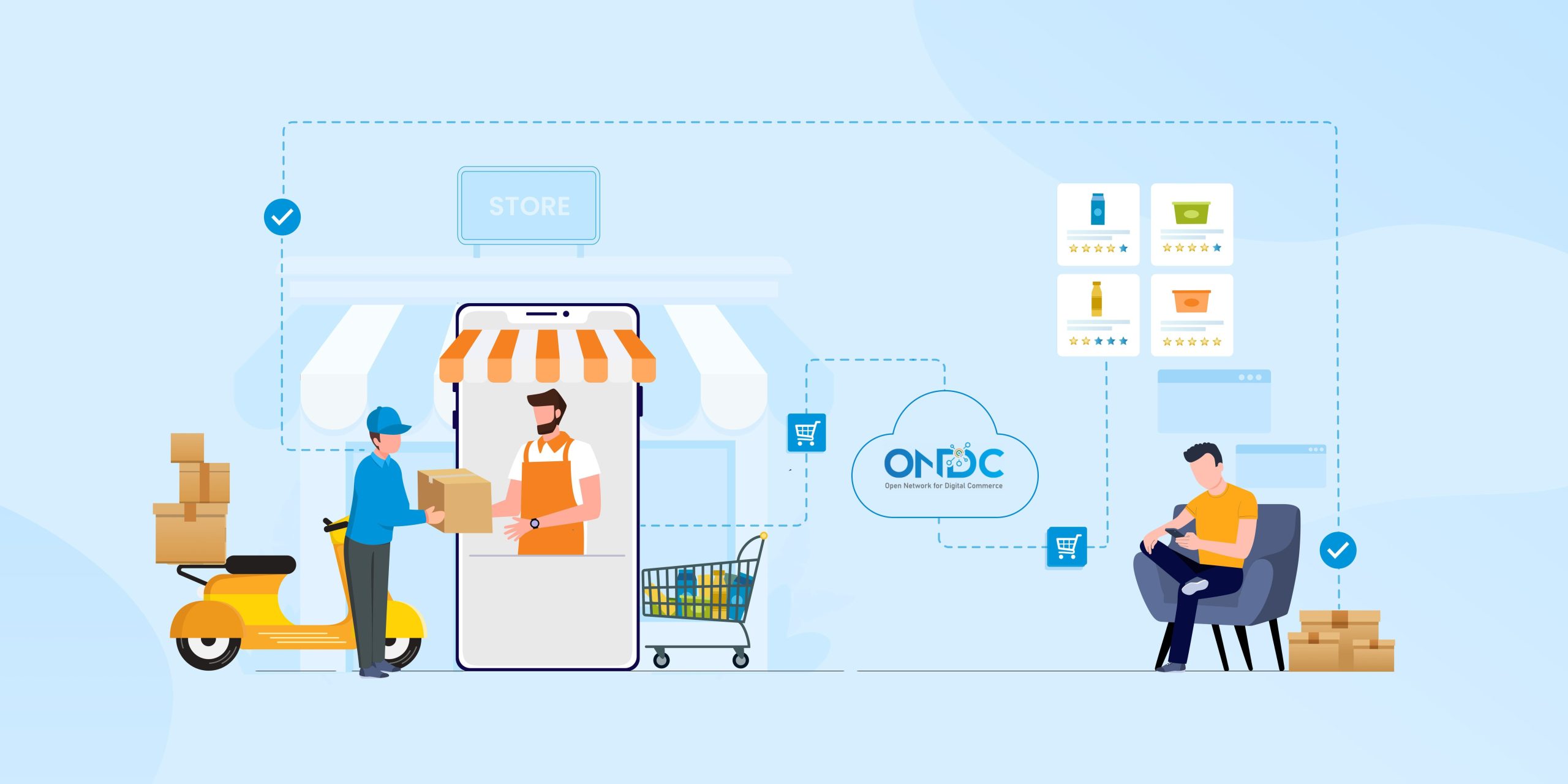
ONDC (Open Network for Digital Commerce) is the Indian government’s open-protocol network that lets any buyer app discover and transact with any seller app, ending the platform monopoly model. For consumer goods companies, it opens a new D2C channel that runs on top of their existing distributor and retailer network, and BeatRoute’s Goal-Driven AI platform helps brands align their field execution and channel partners to that opportunity.
The share of digital commerce in the Indian retail market is still around 4% & e-commerce penetration is well below other countries. Right now the majority of the market is controlled by a few big players like Amazon & Walmart-owned Flipkart. Sensing a transformational opportunity in this sector, government has laid out a framework for Digital commerce democratization.
Let’s have a look at some of the issues present currently with eCommerce in India:
- Complex execution of digital transactions
Facilitation of interaction between a seller & buyer which had been happening offline since time immemorial, becomes nuanced & complex. India has a large commerce ecosystem, across categories & geography with a fragmented & decentralized market.
- High Barrier to Entry
Platforms providing integrated solutions under a single service provider has grown rapidly. This rapid growth limits the competitiveness of new sellers coming online due to the high investment required to establish such integrated solutions.
- Concentration risk
With the increased size and scale of some platforms, these platforms become operators in the market, and small & medium businesses lose the choice & freedom of participation at their will & terms.
- Portability of trust
Present platforms enable the sellers and consumers to build a reputation through the transactions enabled through their systems which has significant value. In case any of the users part ways with the platform, they have to forfeit all these values built up at the platform. This value creation model turns the platform into a major store of value and hinders free to scale – flow of value that an efficient market should have.
- Separate Infrastructure & Process for separate platforms
Sellers are required to maintain separate infra and processes adding to the cost incurred hence limiting the participation.
Based on these, the government felt a need to make digital commerce available equitably to all citizens, similar to how UPI helped transform the payment system in India.
ONDC is a shift from an operator-driven platform-centric model to an interoperable decentralized network and has the following elements:
- Encouragement of widespread participation especially SMEs and Kirana from across the country
- Enabling flow of value across digital commerce ecosystem instead of the value concentration with central platforms presently
- Addressing discoverability & trust both on buyer & seller side
- Enabling buyer & seller autonomy
- Unification of siloed service provider platforms

ONDC is an open network for digital commerce powered by open APIs developed on open source protocol and will act as a connector for all players playing their part in e-commerce from credit providers, sellers, buyers, bookkeeping companies, inventory management, logistics companies, and other ancillary businesses in the sector.
If we categorise there will be 4 building blocks or network participants of this network:
- Seller side apps
Any applications that will interact with the sellers i.e supply side of transactions. Sellers participating in ONDC can publish their catalogue through any seller side app and receive orders from any ONDC powered buyer side app to service & fulfil these orders.
- Buyer side apps
Any applications that will interact with the buyers i.e demand side of any transaction where the transaction originates. Buyers on any ONDC powered app will have catalogue visibility of all sellers registered on any ONDC powered seller side apps.
- Logistics Providers
To facilitate execution of these transactions, buyers will have visibility of all logistics providers with their service level details to choose from for a particular transaction.
- Other participants
Apps providing support services such as but not limited to logistics optimisation, credit, warehousing, book keeping, Inventory management and other niche ancillary services managing different roles in the order lifecycle.
What does ONDC mean for Consumer Goods Companies?
Consumer goods companies have the most widespread distribution network and engage with millions of retailers on a daily basis. These small retailers are assumed to be the biggest beneficiaries of a democratized e-commerce ecosystem like ONDC.
Let us see how consumer goods companies can align their Go to Market with ONDC and use their existing distribution channels to reach consumers better and faster.
A lot of consumer goods brands have been trying on an approach to Omnichannel management wherein they can utilize their existing channel partners for D2C fulfilment. We see ONDC as another potentially powerful channel for D2C which consumer goods brands can capitalize upon.
There are 2 parts to this:
- Associating with a seller app for catalog visibility on the ONDC buyer network
- Utilizing the existing distribution network (Distributors & Retailers) for ensuring fulfilment of these orders
Consumer goods companies that want to plug ONDC into their existing go-to-market need a sales and distribution layer that can route orders from the ONDC buyer app down to the right distributor or retailer, track fulfillment, and keep channel-partner incentives aligned. BeatRoute’s Goal-Driven AI platform ensures execution across this chain, the SFA Software guides field reps on which outlets to activate for ONDC demand, the DMS manages distributor-side fulfillment and credit, and the Order AI Agent recommends the right product mix at each account so ONDC orders lift, rather than cannibalize, traditional trade.
Frequently Asked Questions
What is ONDC and how does it differ from Amazon or Flipkart?
ONDC (Open Network for Digital Commerce) is an Indian government-backed open protocol that decouples the buyer app from the seller app. Unlike Amazon or Flipkart, which are closed platforms, ONDC lets any buyer app discover products listed on any seller app, and any logistics provider fulfill the order. Brands gain reach without paying monopoly platform commissions.
How can an FMCG or CPG brand start selling on ONDC?
A brand lists its catalogue on any ONDC-registered seller app, fills the Network Participant profile, and decides its fulfillment model: direct from warehouse, via distributors, or via local retailers. Orders placed on any ONDC buyer app then flow to the brand with shipping assigned from the chosen logistics provider.
Where does BeatRoute fit in an ONDC go-to-market for consumer goods?
BeatRoute’s Goal-Driven AI platform handles the offline half of the ONDC workflow. The SFA Software and DMS route ONDC orders to the right distributor or retailer, the Order AI Agent recommends stock and product mix at each account, and Brand Panel gives HQ live visibility into ONDC-driven secondary sales alongside traditional trade.
Does ONDC replace a brand’s existing distributor and retailer network?
No. ONDC is a demand-discovery and routing layer on top of existing distribution. Most CPG brands use their current distributors and retailers as fulfillment nodes for ONDC orders, which keeps channel partners invested and shortens delivery times to end consumers.
For a deeper look at how territory-level execution changes once ONDC D2C volumes come online, see our companion piece on the ONDC-D2C intersection for CPG brands.